
SaaS-Metriken und KPIs
Was ist die SaaS-Betrugsverlustrate?
Was ist die SaaS-Betrugsverlustrate?
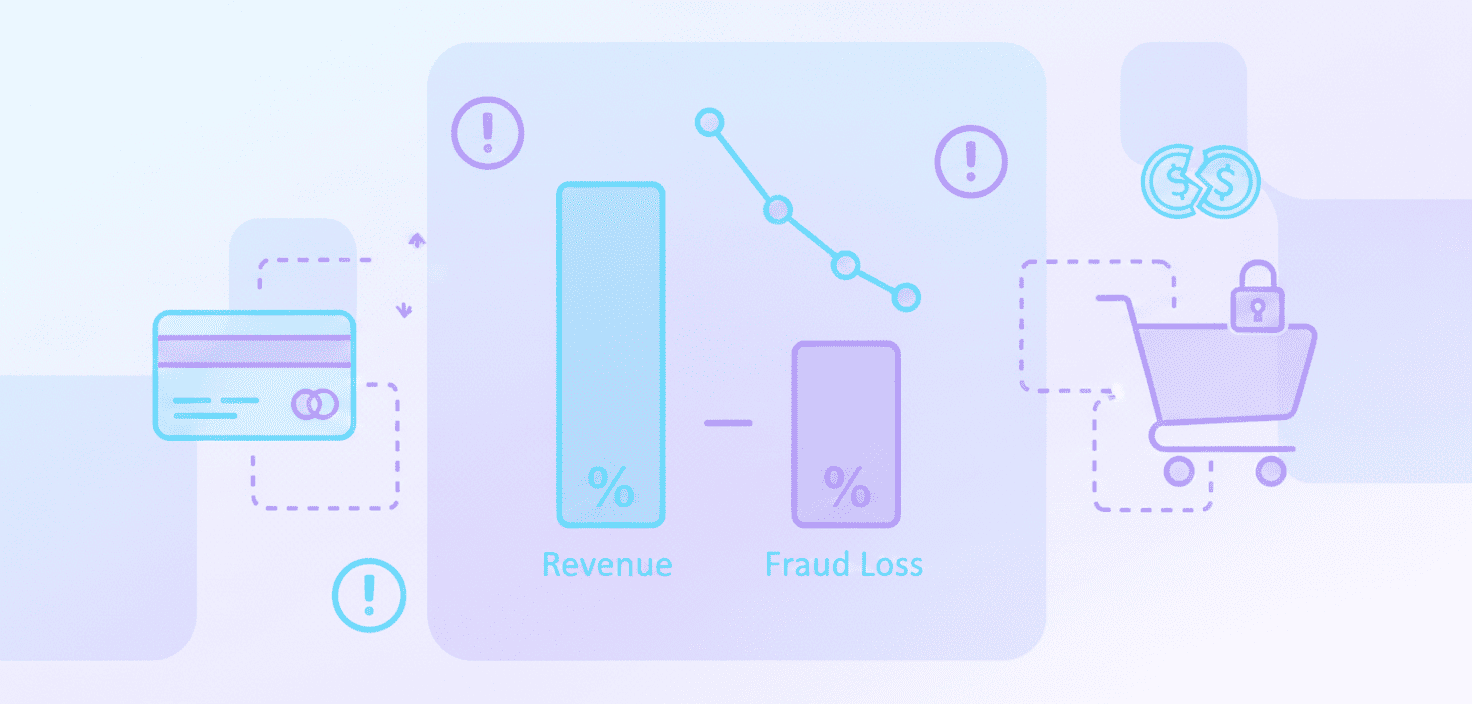
Die SaaS-Betrugsverlustrate ist der Prozentsatz des Umsatzes eines SaaS-Unternehmens, der aufgrund betrügerischer Aktivitäten verloren geht.
Diese Kennzahl ist sehr wichtig, um ein vollständiges Bild der Finanzen und der Rentabilität eines Unternehmens zu erhalten.
Direkte Betrugsverluste beziehen sich auf den entwendeten Betrag und beinhalten keine zusätzlichen Kosten, wie Ermittlungskosten oder Reputationsschäden.
Warum ist die SaaS-Betrugsverlustrate eine wichtige Kennzahl für SaaS-Unternehmen?
Die SaaS-Betrugsverlustrate ist signifikant, da sie eine Annäherung an die Auswirkung betrügerischer Aktivitäten auf das Einkommen des SaaS-Unternehmens darstellt.
Ist die Betrugsverlustrate eines Unternehmens hoch, wird es große Umsatzeinbußen erleiden, unter operativen Herausforderungen leiden und das Vertrauen der Kunden verlieren – alles negative Faktoren für seinen langfristigen Erfolg.
Betrügerische Aktivitäten können auch wichtige Geschäftskennzahlen verzerren, was zu fehlerhaften Entscheidungen führt, und die mit betrügerischen Transaktionen verbundenen Kosten erfordern oft Hunderte von legitimen Transaktionen zum Ausgleich, wodurch jeder falsch-negative Fall extrem teuer wird.
Wie wird die SaaS-Betrugsverlustrate berechnet?
Die SaaS-Betrugsverlustrate wird berechnet, indem man die gesamten finanziellen Verluste durch Betrug durch den Gesamtumsatz teilt.
Die Formel lautet:
Betrugsverlustrate = (Gesamte Betrugsverluste / Gesamtumsatz) * 100%
Wenn ein SaaS-Unternehmen 10.000 US-Dollar Betrugsverluste und 1.000.000 US-Dollar Umsatz hat, läge die Betrugsverlustrate bei 1 %.
SaaS-Unternehmen sollten diese Kennzahl regelmäßig verfolgen, mit dem Ziel, sie unter 1 % des Gesamtumsatzes zu halten und ein niedriges Verhältnis von betrügerischen Transaktionen zu Gesamtverkäufen aufrechtzuerhalten, als Teil einer umfassenden Betrugspräventionsstrategie.
Was sind die wichtigsten Arten von SaaS-Betrug?
SaaS-Unternehmen sind mehreren Betrugsarten ausgesetzt, die Folgendes umfassen:
- Chargeback-Betrug: wenn ein Kunde eine Kreditkartenabbuchung bei seiner Bank anficht
- gefälschte Konten und Bots: erstellt, um Werbeangebote auszunutzen oder gestohlene Karten zu testen.
- Rückerstattungsbetrug: tritt auf, wenn ein Kunde eine Rückerstattung für eine Dienstleistung beantragt, die nicht genutzt oder betrügerisch verwendet wurde
- Rechnungsbetrug: beinhaltet das Täuschen eines Unternehmens, um Geld an einen Kriminellen zu senden.
Es ist besser, Betrugsfälle frühzeitig zu erkennen und präventive Maßnahmen dagegen zu ergreifen.
Was sind die primären Herausforderungen bei der Minimierung der SaaS-Betrugsverlustrate?
Es gibt verschiedene Herausforderungen bei der Reduzierung der Auswirkungen von SaaS-Betrug auf das Geschäftseinkommen. Dazu gehören:
- die sich ständig ändernden Methoden, die Betrüger zur Begehung von Betrug einsetzen
- die Komplexität von Zahlungssystemen
- die Notwendigkeit einer schnellen Reaktion zur Identifizierung betrügerischer Transaktionen.
Darüber hinaus ist es sehr schwierig, betrügerische Transaktionen in Echtzeit korrekt zu identifizieren und gleichzeitig die Anzahl der falsch positiven Ergebnisse zu reduzieren. Interne Betrugsbekämpfungsteams verfügen möglicherweise nicht über ausreichende Ressourcen, um in ausgeklügelte Tools oder die Beschaffung von Informationen über potenzielle Bedrohungen zu investieren.
Welches sind die bewährten Methoden zur Reduzierung der SaaS-Betrugsverlustrate?
Hier sind einige bewährte Methoden, die Sie beachten sollten:
- Investition in robuste Betrugspräventionswerkzeugen und regelmäßige Betrugsrisikobewertungen durchführen. Implementieren Sie die Multi-Faktor-Authentifizierung (MFA), um eine zusätzliche Sicherheitsebene hinzuzufügen, und überwachen Sie das Nutzerverhalten, um Anomalien zu erkennen.
- Nutzen Sie Webhooks und Benachrichtigungen für sofortige Hinweise auf verdächtige Aktivitäten. Verwenden Sie beispielsweise automatisierte Betrugserkennungssoftware, AVS, Fraud Scoring, CVV-Codes und 3D Secure um potenziell betrügerische Transaktionen zu kennzeichnen.
- Überprüfen und aktualisieren Sie regelmäßig Ihre Betrugsprävention Strategien, um sich an sich entwickelnde Betrugstechniken anzupassen und eine niedrige Betrugsverlustrate aufrechtzuerhalten.
Wie kann Automatisierung die Betrugsbekämpfung verbessern und Kosten im SaaS reduzieren?
Das Betrugsmanagement im SaaS wird erheblich profitieren von Automatisierung. Automatisierung ermöglicht:
- die Eliminierung von Fehlalarmen
- die Steigerung der Effizienz
- die Implementierung von Echtzeit-Betrugserkennung.
Diese Systeme können auch eingesetzt werden, um die Geschwindigkeit der Forderungsbearbeitung zu erhöhen, die Anzahl der in Rechnungen gefundenen Ausnahmen zu reduzieren und die Effizienz des Betrugsschutzes sowie die Genauigkeit der Entscheidungsfindung zu verbessern.
Durch den Einsatz von Finanzautomatisierungssoftware können SaaS-Unternehmen ihre Betrugserkennungs- und Interventionsfähigkeiten erheblich verbessern.
Schlussfolgerung
Um die Sicherheit und Stabilität von SaaS-Unternehmen zu gewährleisten, sollte die SaaS-Betrugsverlustrate ordnungsgemäß erfasst und überwacht werden. Durch das Verständnis, wie diese Rate zu berechnen ist, die Identifizierung gängiger Betrugsarten, die Bewältigung zentraler Herausforderungen und die Implementierung bewährter Verfahren wie Automatisierung und Multi-Faktor-Authentifizierung können Unternehmen ihre Betrugsverluste erheblich reduzieren. Mit diesen Ansätzen können Unternehmen ihre Betrugsverluste deutlich senken und ihren Ruf als vertrauenswürdige Partner stärken. Dies ist nicht nur eine experimentelle oder defensive Strategie, sondern eine Strategie für langfristigen Erfolg.
Bereit anzufangen?


 Deutsch
  English
  Español
  Português
  Português do Brasil
  Français
  Italiano
  Nederlands
  Polski
  Română
  Українська
  简体中文
简体中文  日本語
日本語  한국어
한국어