
재무 관리
SaaS 운전자본 관리란 무엇인가요?
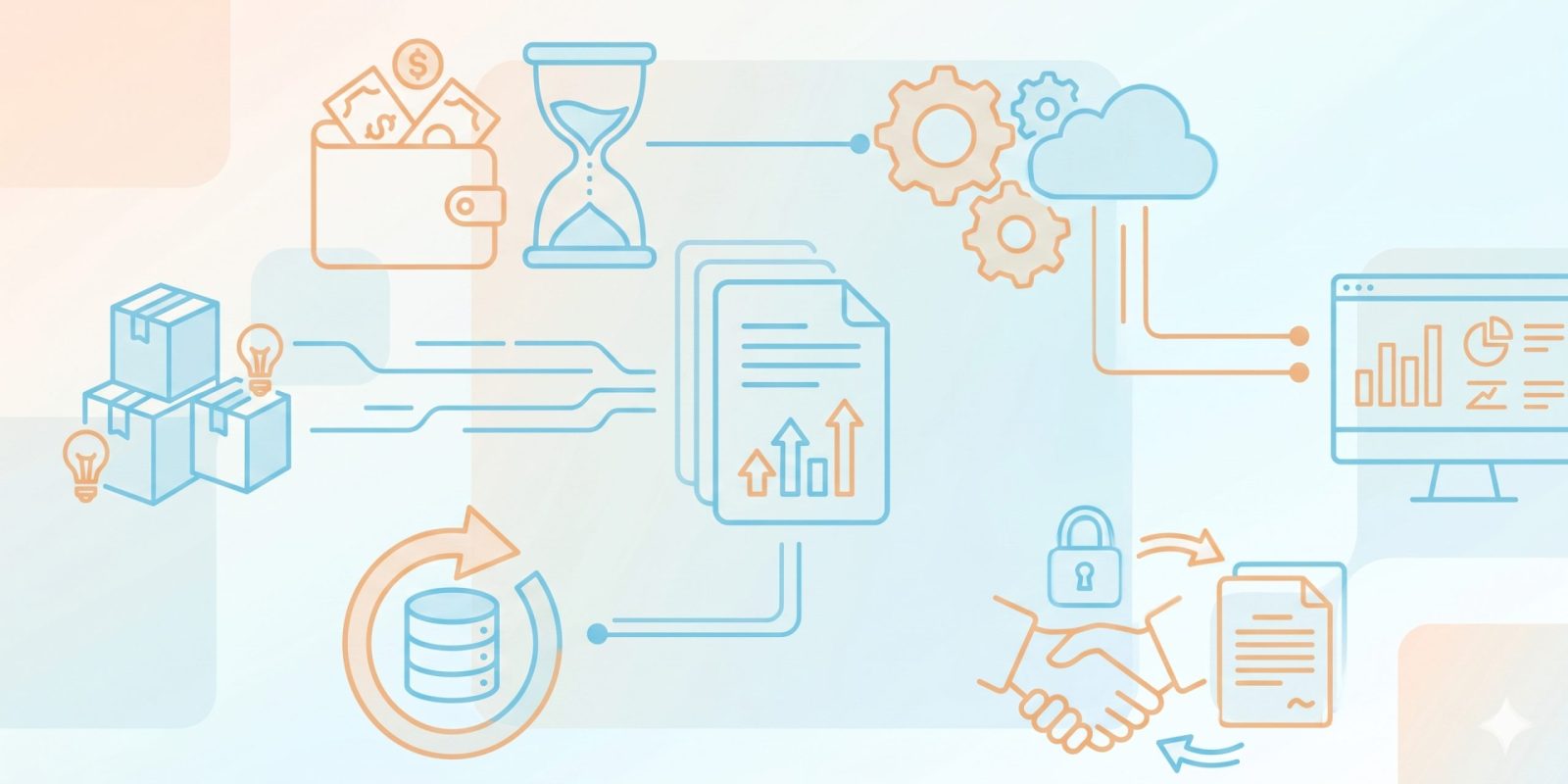
SaaS 운전자본 관리란 무엇인가요?
소셜 프루프는 사람들이 구매 결정을 내릴 때 다른 사용자의 피드백과 인상을 참고하는 일반적인 심리적 전략입니다.
SaaS 기업은 제품이 긍정적인 경험을 제공하고 사용자 요구 사항을 충족한다는 것을 증명하기 위해 소셜 프루프를 사용합니다.
고객은 일회성 구매보다는 장기적인 솔루션을 찾기 때문에 SaaS 비즈니스에서 신뢰 구축은 매우 중요합니다.
SaaS 운전자본의 4가지 구성 요소는 무엇인가요?
구독 비즈니스는 네 가지 회계 요소를 균형 있게 관리하여 단기 유동성을 유지합니다. 각 요소는 조직이 얼마나 오래 유지될 수 있는지와 연결됩니다.
- 현금 및 현금 등가물: 소프트웨어 구축, 직원 급여, 서버 운영 유지를 위해 마련된 현금.
- 매출채권 (AR): 기업 고객에게서 발생했지만, 신용으로 라이선스를 구매했기 때문에 아직 회수되지 않은 수익.
- 매입채무 (AP): 공급업체, 마케팅 대행사 또는 기술 공급업체에 즉시 지불해야 하는 대금.
- 이연 수익: 서비스가 계약에 따라 순차적으로 제공되기 전 고객으로부터 미리 받은 현금.
비즈니스 사례는 일상적인 운영에서 이러한 요소들을 연결합니다. 예를 들어, 기업 협업 플랫폼의 고객 선결제는 엔지니어링 급여와 연동됩니다. 또는 클라우드 스토리지 제공업체는 기업 신용 송장이 결제된 후 인프라 비용이 일치하도록 지급 계정 조건을 활용합니다.
구독 모델은 자본 지표에 어떻게 영향을 미치나요?
구독 모델은 선불 과금과 계약 금액이 결합되어 부채로 계상됨에 따라 현금 전환 주기 패턴에 표준적인 조정을 수반합니다. 기업이 1년 이상을 포함하는 고객 선지급금을 받으면, 해당 시점에 회계 장부에 현금 흐름이 기록됩니다. 동시에 이연 수익이 기록됩니다. 이러한 방식은 고객 자금이 기업 내 다양한 활동과 연결되는 운전자본 주기와 연관됩니다.
상업용 고객을 위한 피트니스 트래킹 애플리케이션에서 한 가지 사례를 찾아볼 수 있습니다. 해당 회사는 서비스 제공이 시작되기 전에 연간 일정으로 플랫폼 구독료를 선불로 받습니다. 이러한 과정은 금융 요소를 고객 그룹과 연관시키고, 신용 구조에 즉각적인 조정을 등록합니다. 자산 잔액을 위해 팀은 정기적인 전략 점검 중 여러 회사 요소를 검토해야 합니다:
- 월별 종량제 계약 대비 연간 계약 청구액 비율.
- 대기업 미수금 잔액에 대한 구조화된 회수 일정표.
- 인프라 제공업체와의 계약에 명시된 지급 일정.
운전자본 수요를 어떻게 예측하나요?
유동성 계획은 정해진 기간 동안의 현금 할당을 예측하기 위해 롤링 예측 모델을 적용합니다. 재무팀은 다양한 운영 항목을 처리하기 위해 별도의 시간 범위를 적용합니다:
- 3개월 전망: 공급업체 지급금, 급여 주기, 인프라 확장 비용 등 단기 비용 기록.
- 6개월 전망: 파이프라인 조정 및 예정된 마케팅 활동과 함께 고객 확보율을 기록합니다.
- 12개월 전망: 현금 데이터를 기반으로 인력 추정치 및 자본 구조 검토와 연계된 전략적 제품 일정을 나열합니다.
|
예측 지표 |
주요 운영상의 이점 |
잠재적 구현 과제 |
|
3개월 회전 현금 주기 |
단기 현금 흐름을 지원하고 주간 공급업체 지급을 관리합니다. |
장기 제품 로드맵을 가용 현금 자원과 연결합니다. |
|
12개월 자본 전망 |
이 과정은 지속적인 회계 데이터 추적 및 수정을 활용합니다. |
시장 변동성과 변화하는 고객 이탈 요인의 영향을 받습니다. |
운전자본 프레임워크를 최적화해야 하나요?
기업 리더들은 몇 가지 내부 성과 지표를 확인하여 유동성 관행을 검토합니다. 경영진에게 질문해 보십시오: 특정 분기에 정기적인 급여의 얼마가 신용 한도에서 인출됩니까? 기업 계정으로부터의 회수 기간이 제품 개발 일정과 어떻게 일치합니까? 이러한 영역에서 패턴을 파악하는 것은 하나의 전략적 단계로서 팀이 단기 자본 지표를 더 면밀히 검토하도록 이끌 수 있습니다. 조직은 이 과정에서 일반적으로 특정 운영 요소를 우선시합니다:
- 최근 기간 동안 기록된 고객 유지율의 패턴과 해당 유지율의 안정성.
- 미드마켓 거래와 엔터프라이즈 부문 모두에서 측정된 영업 주기 길이.
- 채권 회수 부서 내의 일상적인 성과 수준과 매출채권 처리.
자본 관리 관행을 어떻게 실행하나요?
전반적인 개념을 이해하려면 운영 유동성을 엔진에 연료를 공급하는 연료 라인으로 생각해보십시오. 아무리 강력한 엔진이라도 연료 공급 유량이 불규칙하거나 제한적이라면 멈출 것입니다. 영업팀을 위한 성과 인센티브가 마련되면 해당 관행이 실행됩니다. 방향은 월별 청구 구조에서 연간 선불 결제 방식으로 전환됩니다. 또한 재무 부서는 미수금 회수 후속 조치에 대한 자동화를 도입합니다. 주요 비핵심 공급업체와는 연장된 결제 기한에 대한 협상이 이루어집니다. 기업 자본 관리는 미래 투자 자본 조달 시 외부 자금 조달 요건 및 가치 평가 배수와 연관되며, 이는 전체적인 그림의 또 다른 부분을 형성합니다.
강력한 운전자본 관리의 이점은 무엇인가요?
결론
단기 자본 자산은 특정 방식으로 소프트웨어 기업 성장에 관련이 있습니다. 기업은 현금 잔고와 미수금을 이연 매출 부채와 함께 균형을 맞추는 과정을 거칩니다. 이러한 내부 재무 역학은 시간이 지남에 따라 기업 가치 평가 및 운영 결과와 연결됩니다.
시작할 준비가 되셨나요?


 한국어
한국어  English
  Español
  Português
  Português do Brasil
  Français
  Italiano
  Deutsch
  Nederlands
  Polski
  Română
  Українська
  简体中文
简体中文  日本語
日本語