법률 및 규정 준수

What Is SaaS End-to-End Tax Compliance?

작성자: Ioana Grigorescu, 콘텐츠 관리자

검토자: George Ploaie, 최고 운영 책임자 (COO)

What Is SaaS End-to-End Tax Compliance

What is SaaS End-to-End Tax Compliance?

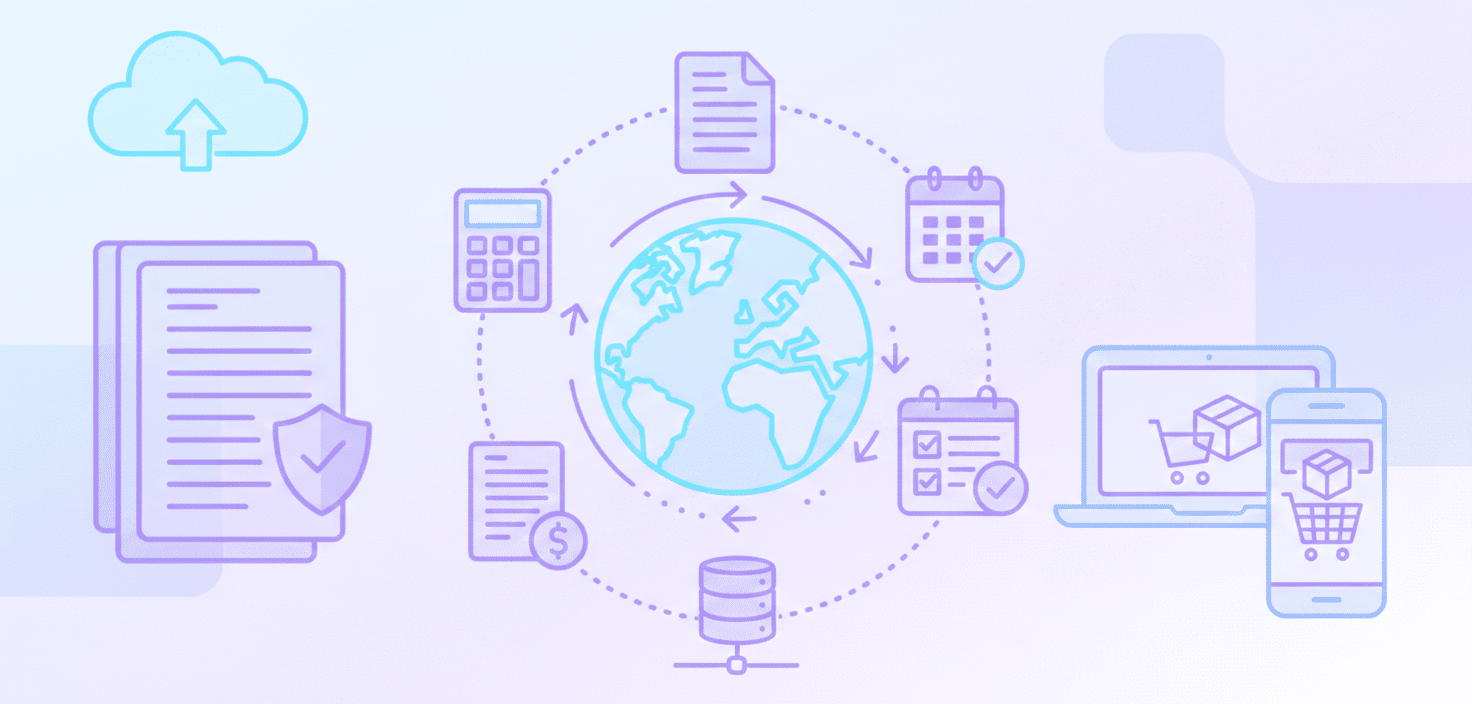
SaaS end-to-end tax compliance is a complete approach that helps in the management of all the taxes that are associated with a SaaS company, which includes the calculation of taxes on every transaction, the preparation of returns, and the collection of the amounts due.  


This approach is compatible with major billing systems and is able to determine the tax rate applicable per customer based on their location and relevant laws.  


SaaS end-to-end tax compliance can impact the resources needed by SaaS companies to manage the complexity of their tax records.  The use of end-to-end tax compliance services by SaaS companies is related to the potential for penalties and audits when growing or expanding into new regions. 

What activities are involved in end-to-end tax compliance for SaaS businesses?

Tax compliance activities include: 

  1. Tax compliance starts with nexus monitoring, which involves keeping track of the locations where a SaaS company has established tax obligations due to physical or economic presence.  
  2. Then, the company has to determine the taxability of its SaaS products, as tax rates may differ according to the area.  
  3. Further, the company has to apply the correct tax rates, prepare and send the right documents, and carefully consider the deadlines. 

When is SaaS considered taxable?

The taxability of SaaS depends largely on jurisdiction-specific laws and how SaaS is classified: 

  • where the customer is located 
  • if the provider has a physical presence in the country 
  • local tax rules 


In many cases, SaaS delivered for business purposes is taxed with sales tax or VAT, while, in the case of personal use, there are different regulations at play.  


Bundled offerings that combine SaaS with other services or products can further complicate tax treatment and require careful evaluation. 

How does sales tax apply to SaaS, and what factors influence its application?

The treatment of sales tax on software-as-a-service (SaaS) applications is operationalized across states and countries based on local laws and regulations.  


Each region determines whether SaaS is taxable based on its classification under local tax laws. 


In some states, SaaS is taxed as a piece of tangible personal property.  In other states, the state does not tax SaaS as a service.  If the SaaS product being offered includes any physical hardware or professional services, the sale of the hardware or the professional services may also be taxed.  


Thus, SaaS companies have to consider the taxes applicable in the areas where they operate on a region-by-region basis and also be aware of any new tax laws that are issued.

What are the most common tax compliance challenges faced by SaaS companies?

SaaS companies often face challenges related to: 

  • identifying nexus 
  • managing differing tax rules across regions 
  • determining the taxability of digital services.  


International expansion and 사용 기반 청구 models introduce added layers, necessitating careful monitoring of customer activity for tax determination.  


These challenges make manual compliance increasingly difficult as transaction volume grows. 

Should a SaaS business handle tax compliance in-house or outsource it?

The decision on whether to conduct business tax management internally or outsource it is dependent on the size, the level of complexity of the business, and the resources available.  


Start-ups or SMBs activating in one region, with no immediate expansion plans, can consider keeping SaaS tax compliance in-house.  


Enterprises or SaaS businesses operating across multiple regions might findit  difficult to manage tax compliance in-house, without also consuming significant resources.  


Also, this decision is not merely a financial one.  SaaS end-to-end tax compliance is operationally complex due to the constant changing of tax rules.  This requires a specific level of local expertise, which is difficult to achieve internally. 

결론

Selling internationally requires careful consideration of local tax rules and regulations.  SaaS businesses need to correctly calculate, colletc and file taxes based on existing rules that are prone to changes. 

The end-to-end tax compliance endeavour can become operationally complete, which is why SaaS businesses outsource it.

시작할 준비가 되셨나요?

저희가 도와드리겠습니다. 18년의 경험을 바탕으로 여러분의 글로벌 진출의 꿈을 현실로 만들어 드리겠습니다.
Mosaic Image
ko_KR한국어