
omzetmodellen
Wat is een game-omzetdelingsmodel?
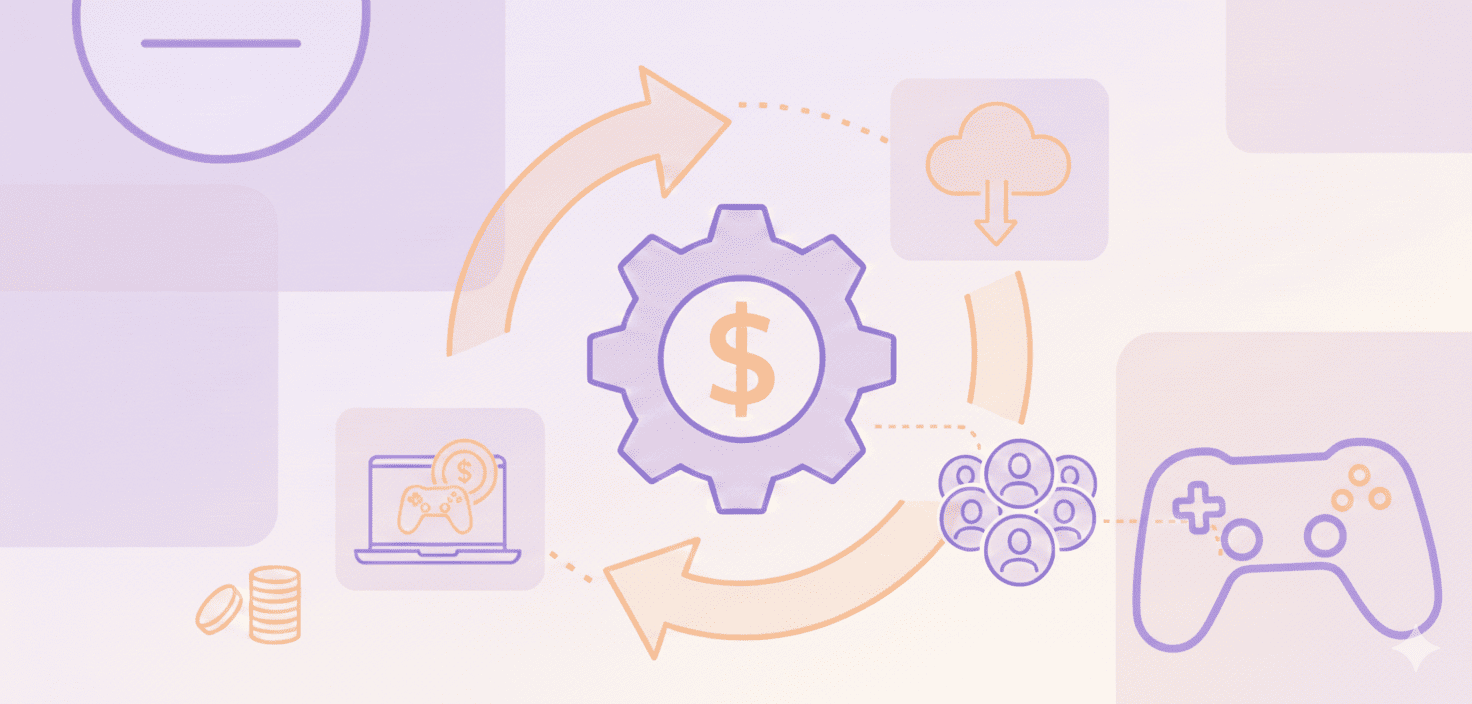
Wat is een game-omzetdelingsmodel?
Het omzetdelingsmodel voor games is een bedrijfsmodel waarbij de inkomsten verkregen uit de verkoop van een digitaal product, of een videogame worden gedeeld tussen meerdere partijen op basis van een vooraf vastgestelde overeenkomst.
Meestal zijn de betrokken partijen:
- Ontwikkelaars
- Uitgevers
- Contentmakers/influencers
- Technologische partners
In sommige gevallen wordt de vergoeding vastgesteld aan de hand van prestatiecijfers.
Waarom omzetdeling gebruiken in gaming en SaaS?
Het omzetdelingsmodel voor games is een optie voor studio's, SaaS-oprichters en indie game-ontwikkelaars, omdat het geen grote initiële investering vereist.
Een andere reden is dat dit model bijdragers aantrekt door het potentiële succes van het product. Als men gelooft dat het product snel populair wordt, voelen bijdragers zich aangetrokken tot het idee om hun omzet te zien stijgen naarmate het product schaalt.
Het omzetmodel voor games vereist zorgvuldige tracking, rapportage en integratie met gerenommeerde betalingssystemen.
Wie profiteert van een omzetdelingsmodel?
Dit zijn de partijen die betrokken zijn bij dit model:
- Indie gameontwikkelaars en SaaS-ontwikkelaars krijgen toegang tot gespecialiseerde partnerschappen zonder verhoogde investeringen.
- Uitgevers en platforms kunnen hun catalogus uitbreiden met een lagere initiële financiële blootstelling.
- Contentmakers, influencers en affiliates verdienen terugkerende inkomsten door producten te promoten waar zij in geloven.
Om dit model te laten werken, moet de betalingsinfrastructuur correct functioneren.
Wat zijn de risico's van omzetdeling?
Het omzetaandeelmodel voor games kent verschillende uitdagingen:
- Onzekerheid: als de betreffende game of software niet zoals verwacht verkoopt, kunnen bijdragers weinig of zelfs niets verdienen, ondanks hun werk
- Beschadigde partnerschappen: onjuiste boekhouding, vertraagde inkomsten of discussies over percentages kunnen samenwerkingen beëindigen
- Operationele risico's: internationaal verkopen kan ontwikkelaars blootstellen aan een aantal onzekerheden met betrekking tot betalingen, compliance, belastingverplichtingen en meer
Solide modellen voor het delen van spelinkomsten werken in de context van technische partnerschappen en duidelijke contracten.
Wat moeten freelancers en partners overwegen voordat ze een omzetdelings-overeenkomst accepteren?
Als freelancer of partner in de videogamesector moet men zorgvuldig overwegen:
- doel
- verwachtingen
- betrokken risico's
Bovendien moeten freelancers exact begrijpen wat ze moeten leveren, hoe de inkomsten die zij ontvangen worden berekend, wanneer de betaling plaatsvindt, clausules voor terugvordering, en beëindigingsrechten. Deze aspecten moeten in de juridische overeenkomsten worden vastgelegd.
Wanneer beginnen omzetdelingsbetalingen gewoonlijk?
De omzetdelingstransacties starten zodra het product is gelanceerd en aan de vereisten in de juridische overeenkomsten is voldaan. Dit kan het terugvorderen van pre-lancering kosten of het bereiken van omzetdrempels omvatten.
Ook hangt de betalingsfrequentie af van het contract, dus is het essentieel dat alle betrokkenen de details van de overeenkomst kennen.
Worden de pre-release en marketingkosten eerst terugverdiend?
Inderdaad, in de meeste omzetdelingscontracten voor games worden kosten voor pre-lancering en marketing als eerste verrekend, voordat andere betalingen worden gedaan.
Voorbeelden van deze kosten zijn:
- Ontwikkelingskosten
- Advertenties
- Systeemkosten
- Kwaliteitsborging
Vertrouwen behouden binnen deze partnerschappen kan worden bereikt door transparantie te waarborgen.
Hoe kunnen bedrijven inkomstendeling effectief beheren?
Om modellen voor omzetdeling te beheren, moeten ontwikkelaars en SaaS-oprichters zich richten op:
- transparantie
- procesautomatisering
- financiële infrastructuur
Bedrijven moeten de verkopen nauwkeurig bijhouden, wereldwijde belastingen afhandelen, en uitbetalingen op tijd verdelen. Dit is waar Merchant of Record oplossingen zoals PayPro Global waarde toevoegen door het beheer van betalingen, naleving van belastingregels, facturering en omzetverdeling over regio's.
Conclusie
Het model voor het delen van spelopbrengsten is een geldige optie voor digitale producten en videogames. Door samenwerking aan te moedigen, investeringen vooraf te verminderen en reële doelen te stellen, onderscheidt dit opbrengstmodel zich van alternatieven. Echter, naast duidelijke afspraken, is de behoefte aan een sterke betalingsinfrastructuur onmiskenbaar. Het merchant of record-model vermindert de operationele complexiteit en stelt de game-ontwikkelaar in staat zich meer op het product te richten.
Klaar om te beginnen?


 Nederlands
  English
  Español
  Português
  Português do Brasil
  Français
  Italiano
  Deutsch
  Polski
  Română
  Українська
  简体中文
简体中文  日本語
日本語  한국어
한국어