
SaaS-betalingen
Wat is SaaS Split Payment?
Wat is SaaS Split Payment?
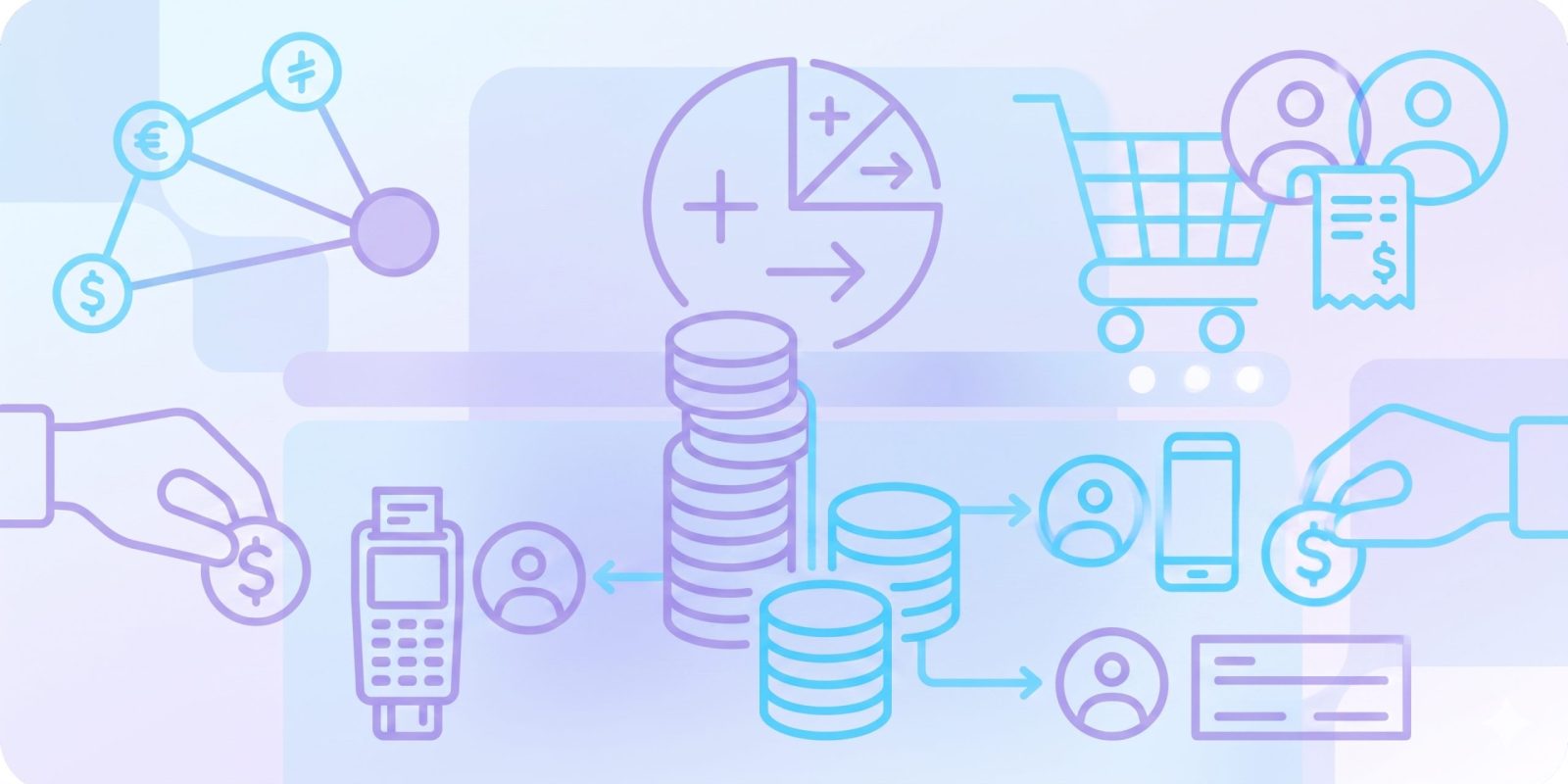
In een SaaS-marktplaats- of platformscenario betekent een gesplitste betaling dat een enkele afrekeningstransactie van een klant wordt verdeeld in verschillende segmenten, die naar verschillende partijen worden geleid. In plaats van het totale bedrag op de rekening van één enkele handelaar te verzamelen voor daaropvolgende handmatige distributie, faciliteert de betalingsgateway de routing van gesplitste betalingen naar meerdere partijen direct tijdens de transactie.
Dit automatische factureringsmechanisme vormt de ruggengraat van de operationele logica achter de hedendaagse B2B- en B2C-digitale netwerken. De betaalsoftware is ontworpen om platformexploitatiekosten van leveranciersinkomsten op de marktplaats te scheiden vóór de uiteindelijke afrekening.
Waarom is Split Payment belangrijk voor SaaS marktplaatsen en platforms?
Hedendaagse abonnements- en multi-vendorplatforms zijn sterk afhankelijk van split-funding routing voor het schalen van hun activiteiten. Platforms kunnen routers gebruiken, wat de administratieve werklast van het platform kan beïnvloeden. Deze opzet berekent de platformkosten en verrekent deze. Deze actie kan zowel de brutowinstmarges als de omvang van boekhoudkundige taken beïnvloeden.
Deze financiële architectuur hangt samen met het regelgevingsrisiconiveau van het softwarebedrijf. Bij de adoptie van een direct multi-party routeringsmodel is het belangrijkste SaaS-platform niet betrokken bij het beheren of bewaren van gelden van derden.
Hoe werken gesplitste betalingen in een SaaS-bedrijf?
De operationele principes van routering met meerdere partijen zijn gebaseerd op geautomatiseerde API's die worden geactiveerd zodra een klant afrekent. De eindgebruiker wordt bij het uitvoeren van een transactie bediend door de geïntegreerde engine, die de betalingsinformatie via verschillende opeenvolgende verwerkingslagen verwerkt:
- Routering met meerdere partijen: De hoofdtransactiegateway kijkt naar aankoopmetadata om leveranciers en de platformhost onmiddellijk te identificeren.
- Kostenverdeling: Het programma berekent de exacte platformcommissie, crediteert de platformrekening met de vergoeding en draagt tegelijkertijd de rest over aan de externe leverancier.
- Afhandeling terugbetalingen: Als een gebruiker een terugbetaling wil, past het systeem de omgekeerde logica van toewijzing toe door de respectieve bedragen af te trekken van zowel het saldo van de verkoper als de kas van het platform.
Wat zijn de nadelen en uitdagingen van gesplitste betalingen?
Facturatie aan meerdere partijen is een uiterst effectieve aanpak; er zijn echter wel degelijk uitdagingen vanuit een technisch en financieel perspectief. Het verwerken van een veelvoud aan betalingen aan meerdere partijen vereist een hoog niveau van technische capaciteit om operationele storingen te voorkomen.
|
Uitdaging |
Impact op SaaS-platform |
|
Kosten |
Aparte interchange of vaste kosten van betalingsverwerkers op elke deeltransactie kunnen correleren met veranderingen in marges op microtransacties. |
|
Terugbetalingen |
Terugvorderingen leiden tot wijzigingen in financiële rekeningen, wat kan correleren met leverancierssaldi en hun status ten aanzien van een nulsaldo. |
|
Technische Overhead |
Het bouwen en testen van robuuste API-uitzonderingen, het afhandelen van gedeeltelijke storingen en het bijhouden van nauwkeurige grootboeken vereist veel engineeringuren. |
Hoe implementeer je een gesplitst betaalsysteem?
- Kies voor bewezen API's van enterprise-kwaliteit om de noodzaak van aangepaste beveiligingsmaatregelen te verminderen.
- Uniformeer webhook-formaten, zodat atomaire, meerstaps transactiestatussen in real-time op alle eindpunten kunnen worden gemonitord.
- Reserveer een aparte rekening om te dekken chargebacks als de belangrijkste manier om negatieve verkoperssaldi te voorkomen.
- Als onderdeel van de eerste onboarding van leveranciers, een geautomatiseerde KYC-verificatie moet worden gehandhaafd om netwerkfraude te voorkomen.
De beslissing nemen: Heb ik een Split Payment-infrastructuur nodig?
De volgende kritische analytische vragen kunnen u helpen te bepalen of uw onderneming behoefte heeft aan meerpartijen- routeringsinfrastructuur:
- Kan onze softwareomgeving directe transacties tussen externe leveranciers en eindklanten ondersteunen?
- Worden interne middelen momenteel ingezet voor het handmatig verwerken van uitbetalingen en het maandelijks afstemmen van grootboeken?
Conclusie
Split payment-integratie in digitale platforms vergemakkelijkt complexe financiële transacties waarbij meerdere partijen betrokken zijn. Het gebruik van programmatische routing engines door softwareplatforms kan handmatige boekhoudprocessen en de naleving van internationale betalingswetten beïnvloeden.
Klaar om te beginnen?


 Nederlands
  English
  Español
  Português
  Português do Brasil
  Français
  Italiano
  Deutsch
  Polski
  Română
  Українська
  简体中文
简体中文  日本語
日本語  한국어
한국어