
Pagamentos SaaS
What is an Issuing Bank?
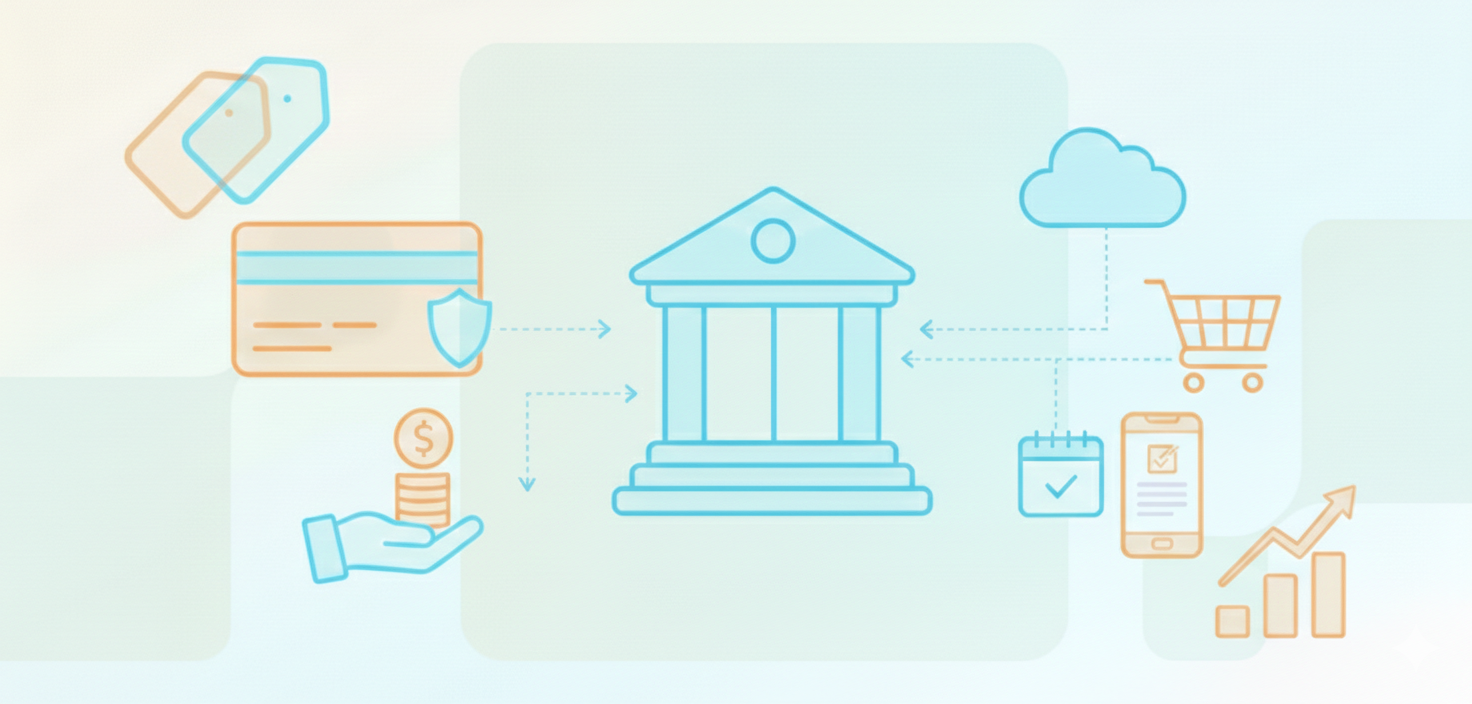
What is an issuing bank?
An issuing bank is the financial institution that provides a credit or debit card directly to a customer. It manages the cardholder’s account, sets credit limits, monitors transactions, and is responsible for approving or declining each card payment.
When a cardholder makes a purchase, the issuing bank pays the merchant’s bank and then collects the money from the cardholder. Thus, the issuing bank is exposed to a certain degree of risk in case the cardholder cannot cover the payment amount.
What role does the issuing bank play in a card payment?
Each time a payment is made using a card, the issuing bank decides whether the transaction goes through. The aspects of this decision include:
- checking available funds or credit
- applies fraud detection rules
- evaluates spending habits
After the verification has been completed, the issuing bank sends the approval back to the card network, and the transaction is completed. If during the verification process something looks suspicious or there are no funds, the payment is declined.
This is real-time authorization, and it keeps payments instant while also ensuring security.
How does the payment cycle work step by step?
Here are the steps part of the payment process:
- A customer enters their card details to pay a merchant.
- The merchant sends the request to its acquiring bank.
- The request travels through the card network (such as Visa or Mastercard).
- The issuing bank receives the request and checks credit, balance, and fraud signals.
- The issuing bank approves or declines and returns the response through the same path.
- If approved, the purchase is completed for the customer.
- During settlement (usually later), the issuing bank transfers the funds to the acquiring bank via the card network.
- The cardholder later repays the issuing bank according to their account terms.
This process happens in seconds for authorization and in a few days for the actual movement of funds.
How do issuing banks and card networks work together?
Card networks act as the middlemen in the payment process, enabling card-issuing banks to communicate with merchants’ banks. Typically, issuing banks are the ones that are connected to these networks in order to obtain approvals for transactions, obtain transaction details, and move money around during settlement.
The network does not give credit or issue cards; the issuing bank is the one that does. The network is like a bridge that allows information, and therefore funds, to flow from the issuing bank to the acquiring bank.
What risks do issuing banks take on?
Issuing banks carry credit risk and fraud risk. If a cardholder fails to repay their balance, the issuing bank bears the loss. They also deal with chargebacks and certain types of fraudulent transactions.
To avoid this problem, issuing banks use credit checks, transaction monitoring, spending limits, and fraud detection systems.
Why is the issuing bank important for SaaS and digital businesses?
For SaaS and e-commerce companies, the issuing bank is the final entity that makes the decision whether or not the customer’s payment will go through. Even if your processo de checkout is perfect, a transaction can be rejected if the issuing bank does not find enough funds, the card has expired, or is flagged for fraud.
In the case of recurring SaaS payments, the approval of the issuing bank is required at the beginning of each billing period. Retry logic, card updater services, and clear billing descriptions can help improve approval rates.
When working with a Merchant of Record, most of the time there are already some techniques prepared to increase successful transactions in terms of authorizations, which are applied to all the issuing banks around the world.
How can someone identify their issuing bank?
The name of the bank that issues the card is usually on the card itself. If not, it is on the statements provided by the bank or in online banking portals. The brand name of the card network, for example, Visa or Mastercard, is not the issuing bank; it just refers to the network.
As an example, if a card bears the Mastercard logo and the name of a particular bank, that bank is the issuer.
Conclusão
The issuing bank is a barrier to every card transaction. It approves transactions, bears the financial burden of the transaction, and ensures that the merchant gets the money. For SaaS and e-commerce businesses that rely on repeat payments on a global scale, knowing the part played by the issuing bank is important to enhancing success rates and reducing failed payments. Using a Merchant of Record can help in enhancing the relationship with issuing banks everywhere while also taking over the compliance, risk, and payment activities.
Pronto para começar?


 Português do Brasil
  English
  Español
  Português
  Français
  Italiano
  Deutsch
  Nederlands
  Polski
  Română
  Українська
  简体中文
简体中文  日本語
日本語  한국어
한국어