
Securitate cloud
Ce este Modelul de Responsabilitate Partajată pentru Securitatea Cloud?
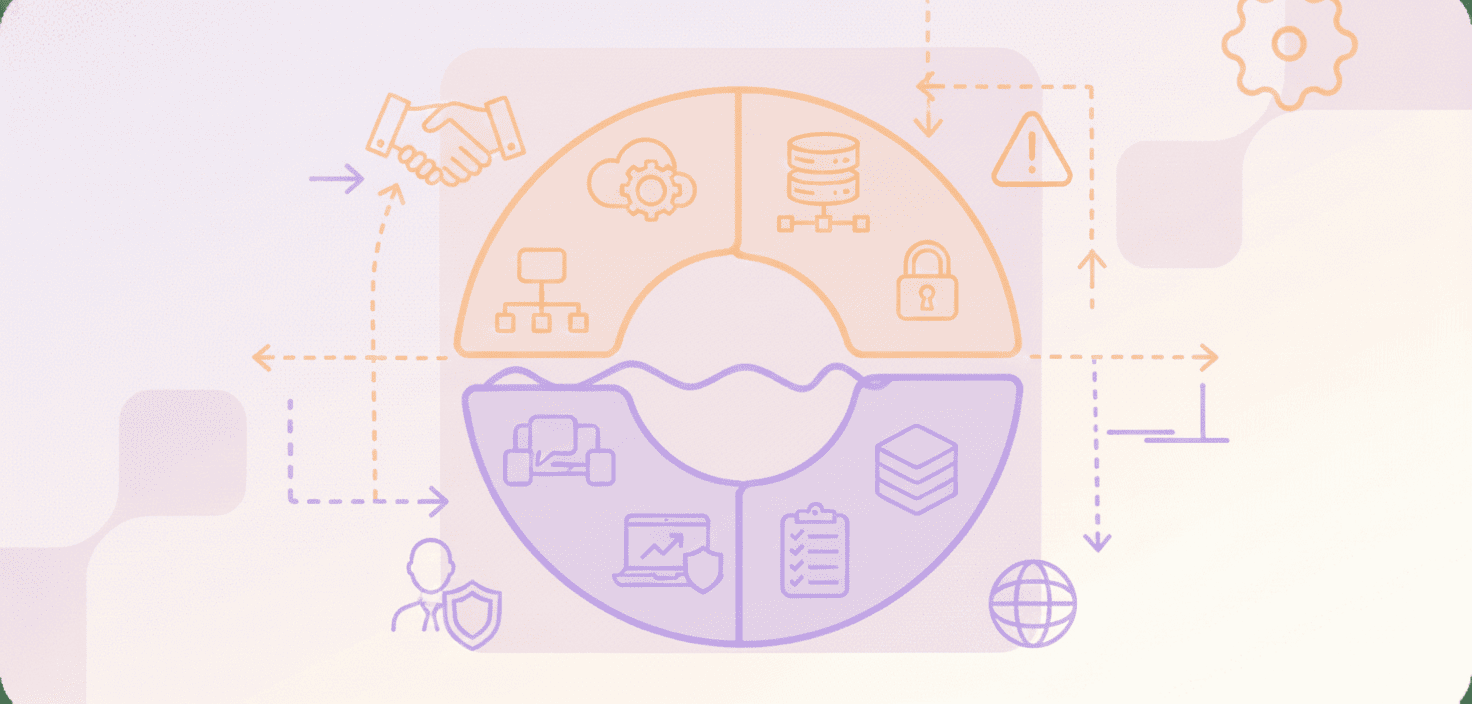
Ce este Modelul de Responsabilitate Partajată pentru Securitatea Cloud?
Modelul Responsabilității Partajate pentru Securitatea Cloud definește responsabilitățile de securitate ale furnizorilor de servicii cloud (FSC) și ale clienților acestora.
Se afirmă că, deși CSP-ul este responsabil pentru securitatea cloud-ului, clientul este responsabil pentru securizarea aplicațiilor și a datelor găzduite în cloud.
Acest model clarifică responsabilitățile atât ale CSP-ului, cât și ale clientului și promovează securitatea eficientă a cloud-ului și conformitatea.
Dacă principiile acestui model nu sunt înțelese și aplicate, se pot acumula mai multe lacune de securitate și pot duce la breșe de date.
Ce este Modelul de Responsabilitate Partajată pentru Securitatea Cloud?
Dovada socială este o tactică psihologică populară în care oamenii iau în considerare feedbackul și impresiile utilizatorilor pentru a lua diferite decizii de cumpărare.
Companiile SaaS folosesc dovada socială pentru a demonstra că produsele lor oferă experiențe pozitive și răspund cerințelor utilizatorilor.
Construirea încrederii este esențială pentru afacerile SaaS, deoarece clienții caută soluții pe termen lung, mai degrabă decât achiziții unice.
Cum funcționează Modelul de Responsabilitate Partajată în securitatea cloud?
Modelul Responsabilității Partajate alocă responsabilitatea securității și conformității furnizorului de servicii cloud (CSP) și clientului. CSP-ul este cel care poartă responsabilitatea pentru securitatea cloud-ului, care include:
- infrastructurii
- hardware-ul
- software-ul serviciului cloud
- implementarea măsurilor de securitate pentru a proteja împotriva amenințărilor precum atacurile DDoS și vulnerabilităților din platforma cloud
În contrast, clientul este responsabil pentru securitatea în cloud, incluzând:
- datele
- aplicațiile
- gestionarea identității și a accesului
- sistemele de operare, în funcție de modelul de serviciu utilizat.
Cum diferă responsabilitatea pentru securitate între IaaS, PaaS și SaaS în Modelul de Responsabilitate Partajată?
În Modelul Responsabilității Partajate, diviziunea sarcinilor de securitate variază semnificativ între Infrastructura ca Serviciu (IaaS), Platforma ca Serviciu (PaaS)și Software ca serviciu (SaaS).
|
Model |
Responsabilități de securitate |
|
Infrastructura ca Serviciu (IaaS) |
oferă cel mai mare control, furnizorul gestionând infrastructura, iar clientul fiind responsabil pentru tot restul |
|
Platforma ca Serviciu (PaaS) |
transferă o parte din responsabilitate furnizorului, acoperind sistemele de operare și middleware-ul, lăsând clientul responsabil pentru aplicații și date |
|
Software ca serviciu (SaaS) |
oferă cel mai mic grad de control, furnizorul gestionând majoritatea aspectelor, iar clientul fiind responsabil pentru datele sistemului și gestionarea accesului utilizatorilor. |
Ce instrumente sunt disponibile pentru a ajuta clienții să își gestioneze responsabilitățile de securitate în cloud în cadrul Modelului Responsabilității Partajate?
Există o mulțime de instrumente disponibile pentru a ajuta oamenii să-și îndeplinească sarcinile de securitate în cloud, incluzând:
- soluții de gestionare a identității și a accesului (IAM) pentru controlul accesului utilizatorilor,
- scanere de vulnerabilități pentru a găsi vulnerabilități în aplicații și infrastructură
- sisteme de management al informațiilor și evenimentelor de securitate (SIEM) pentru detectarea amenințărilor și răspunsul la incidente.
Furnizorii de cloud oferă și:
- Firewall-uri
- criptare
- instrumente DLP pentru securitate îmbunătățită.
Aceste instrumente trebuie configurate și utilizate corect pentru a obține o securitate cloud eficientă.
Cum influențează Modelul Responsabilității Partajate postura de securitate în cloud a unei organizații?
Modelul de Responsabilitate Partajată s-a schimbat Securitate cloud prin separarea operațiunilor de securitate între furnizorul de cloud și client. O înțelegere solidă a acestui concept este esențială pentru a atinge și menține o poziție sigură.
Acest model:
- minimizează cheltuielile generale prin transferarea securității infrastructurii către furnizor
- permite companiilor SaaS să se concentreze pe securitatea datelor și aplicațiilor lor
- oferă furnizorilor de cloud opțiunea de a aloca resurse și expertiză de securitate suplimentare
Cu toate acestea, modelul responsabilității partajate poate duce la o confuzie sporită și la lacune de securitate dacă rolurile și responsabilitățile nu sunt înțelese de părțile implicate.
În plus, organizațiile SaaS s-ar putea să se bazeze mai mult pe procesele de securitate a infrastructurii furnizorului de cloud.
Monitorizați continuu și adaptați-vă controalele de securitate.
Concluzie
Modelul de responsabilitate partajată pentru securitatea cloud definește clar responsabilitățile furnizorilor de cloud și ale clienților în ceea ce privește securitatea cloud. Acest model ar trebui să fie bine înțeles, iar slăbiciunile din politicile de securitate ar trebui eliminate printr-o îmbunătățire continuă, permițând organizațiilor să se simtă în siguranță în fața complexității securității cloud și a protecției activelor lor.
Ești gata să începi?


 Română
  English
  Español
  Português
  Português do Brasil
  Français
  Italiano
  Deutsch
  Nederlands
  Polski
  Українська
  简体中文
简体中文  日本語
日本語  한국어
한국어