
Management financiar
What is Micro-Billing Consolidation?
What is Micro-Billing Consolidation?
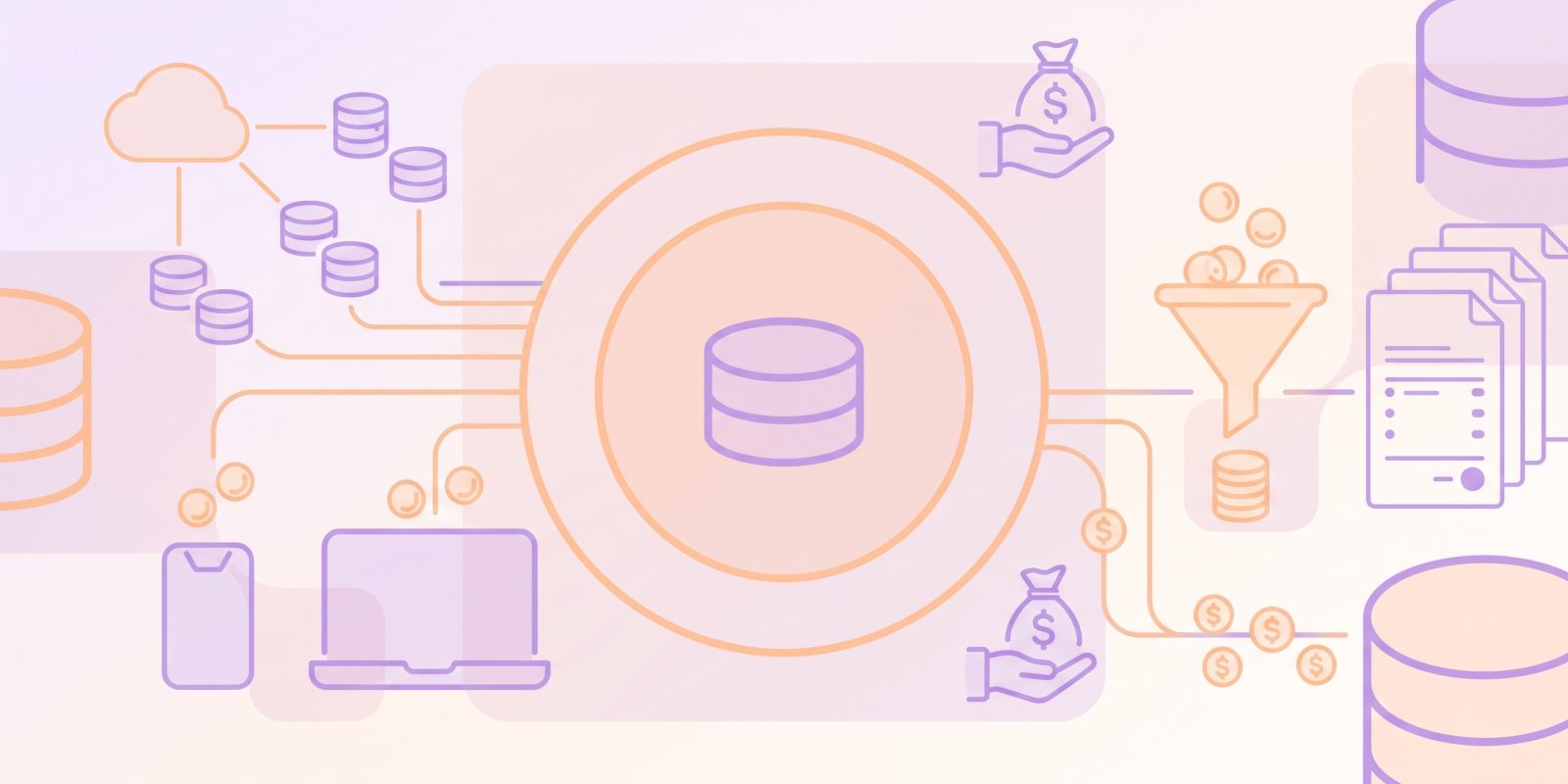
Micro-billing consolidation is a practice that groups several small charges, usage events, subscriptions, or add-ons into one invoice for a SaaS customer. It is often applied when customers use multiple products, access usage-based services, or oversee different business accounts.
The goal of this approach is for all related transactions to appear together in a single statement for recordkeeping purposes.
The method is also referred to as consolidated billing, centralized billing, or consolidated invoicing.
Why is micro-billing consolidation necessary?
When small charges are billed separately, this can add to the total number of transactions that must be managed by businesses and customers. Grouping these charges into one invoice can result in a payment process that is less fragmented for subscription and usage-based models.
Researches on billing-automation technology indicate high productivity improvements along with low financial risks in using AR software – but its usage is quite slow. Automation tools are used by a small number of people and a large portion of users perform the invoicing process manually.
For businesses that are considering changes to their billing process, consolidated billing is just one option out of many others.
What problems does micro-billing consolidation solve?
Consolidation combines numerous small transactions into one clear invoice, which standardizes high-volume billing:
- Invoice sprawl: combines separate statements into a single report
- Reconcilierea: may change the level of manual work involved
- Delayed payments: can alter the frequency of payment timing issues (missed or late payments)
- Disputes: may lead to different patterns of charge-related inquiries by collecting more information on a single statement
- Human error: automating the process can influence how often entry or calculation mistakes occur and may be included in overall compliance activities
Teams that implement automation observe changes in error patterns, suggesting both automation and consolidation contribute to compliance gains.
How does micro-billing consolidation work?
This process begins with collecting raw usage details, transactions, or product charges for a defined billing period:
- All charges are recorded from the associated services, events, or products.
- Each charge is reviewed based on pricing structures and usage policies.
- These amounts are then grouped together into a single invoice for each account, customer, or billing cycle.
- The system completes invoice generation, payment tracking, notifications, collections, and tax handling tasks.
Consolidated billing software performs these functions by calculating amounts, producing invoices, sending notifications, and processing payments, resulting in a central record of account activity.
What are the business benefits of micro-billing consolidation?
Consolidation reshapes accounts receivable by grouping transactions, which may affect how margins are managed and how workload is distributed, without necessarily leading to changes in headcount.
| Modificare | Impact |
| Billing costs | Streamlined processes can affect operational expenses. |
| Accelerated cash collection | Shorter cycles are associated with changes in liquidity and DSO. |
| Fewer disputes | Aggregated invoices present transaction details together. |
| Vizibilitatea veniturilor | Forecasting and decision-making show changes in accuracy. |
| scalabilitate | It handles pricing models of varying complexity. |
Process enhancements, such as payment routines and expense monitoring, are often linked to automation associated with consolidation, rather than consolidation alone.
How does micro-billing consolidation improve customer experience?
Micro-billing consolidation processes separate invoices together so that customers receive a summarized statement. In this setup, customers.
- Receive billing information consolidated into one document each cycle
- Access line items and charges organized together
- Handle billing questions by referring to one summary statement
They also interact with consolidated communication, documentation, and AR portals that provide payment and self-service tools, which may address preferences related to control and process simplicity.
Which industries use micro-billing consolidation?
Micro-billing consolidation is applied in industries with frequent, smaller transactions and a variety of services, as it helps organize billing activities and groups revenue items into a single invoice.
| Industrie | Utilizare tipică |
| Telecomunicații | Combined invoices for phone, broadband, and TV services. |
| SaaS | Bills that gather subscription and usage-related charges. |
| Utilities | Recurring statements based on resource usage. |
| Media | Consolidated billing for subscription and content packages. |
| IoT and cloud services | Metered, usage-based billing |
Sectors with multiple subscription structures, usage-based billing, or a wide range of digital offerings regularly use consolidation processes in billing systems.
What are micro-billing consolidation implementation challenges?
Implementing consolidation requires attention to several practical considerations. Key factors to address include:
- Coordinating billing schedules that vary across multiple products
- Adapting to dynamic pricing structures
- Incorporating existing systems that may differ in design
- Maintaining detailed financial information throughout the process
- Complying with regulations for electronic invoicing in different regions
Organizations can reduce complexity by planning implementation in stages, conducting regular reviews of billing processes, and maintaining clear data management practices to ensure ongoing flexibility.
What future trends influence micro-billing consolidation?
Developments in the market involve automation, real-time processing, and integration between billing platforms. Factors contributing to these shifts include:
- Use of AI in billing automation
- Transition from legacy software to cloud-based microservices
- Real-time charge processing occurs
- Financial tools becoming part of business processes and updated requirements for e-invoicing
Organizations may respond to these trends by implementing predictive analytics, aligning CRM, ERP, and analytics systems, and using self-service tools as regulations and operational standards change.
Concluzie
Micro-billing consolidation manages invoicing by bringing together several small charges into a single statement. This approach aims to respond to administrative tasks related to handling multiple individual invoices, including reconciliation for organizations with varied billing needs. As changes occur in industry requirements and regulations, businesses may use this process to adjust their billing operations over time.
Ești gata să începi?


 Română
  English
  Español
  Português
  Português do Brasil
  Français
  Italiano
  Deutsch
  Nederlands
  Polski
  Українська
  简体中文
简体中文  日本語
日本語  한국어
한국어