
Pricing Strategies
What is SaaS Flat-Rate Pricing?
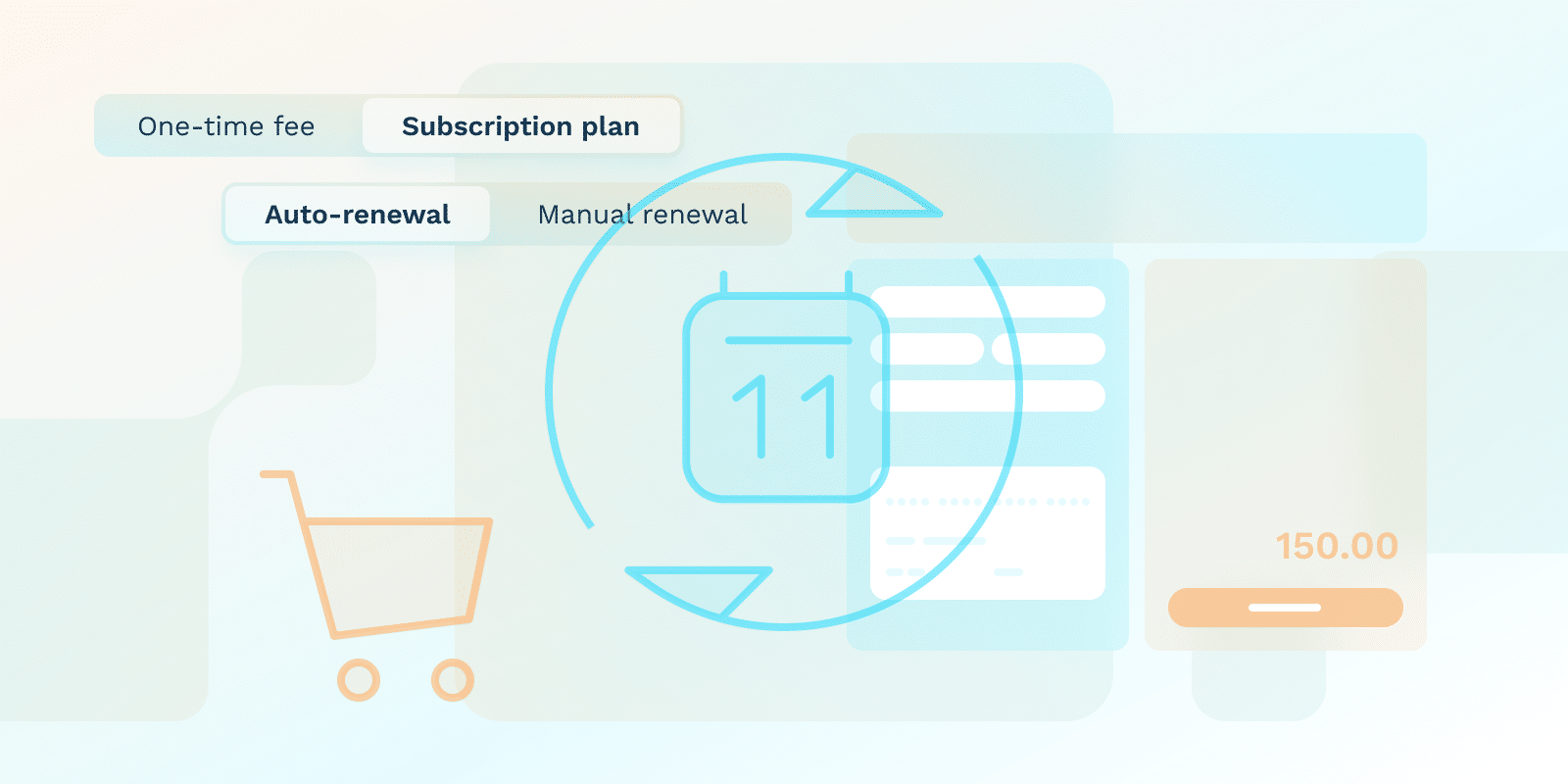
What is SaaS flat-rate pricing?
Flat-rate pricing is a SaaS pricing strategy where the user pays a fixed price in exchange for access to the product’s features.
In the flat rate pricing model, there are no extra costs except for the monthly or annual charge.
How do I determine the optimal flat rate for my SaaS product?
To determine if flat-rate pricing is the appropriate approach for your SaaS service, consider the following steps:
- Step One: Evaluate your product costs. Consider all your expenses, including the cost of all marketing and sales, including salaries, tools, and spend. This should include anything that goes into your profit and loss statement earmarked as a tool for obtaining new customers. The more accurate the total marketing costs are, the more accurate the CAC formula will be.
- Step Two: Thoroughly research competitor pricing. Determine the typical range of flat-rate fees for your services. Verify that this average aligns with both your expenses and desired profit margin.
- Step Three: Create a clear value proposition that details what your SaaS service delivers. If you offer several pricing tiers with fixed prices, explain the differences between them.
Consider combining free trials with flat-rate billing so that customers can try your SaaS product before committing.
Hocoos: With a straightforward pricing strategy, this AI website builder gives small businesses the required tools to build an online presence.
Should I consider offering tiered flat rates based on usage or features?
A common mix of two SaaS pricing strategies is tiered flat rates, which combine tiered pricing and flat-rate billing. Investigating how plans vary from one another is necessary before selecting this strategy for your product. The two viewpoints that characterize this method are as follows, along with their implications.
First, there is the aspect of usage tiers. Whether it’s transaction numbers, storage, or data volumes, usage amounts can differentiate price levels. Basecamp offers flat monthly pricing depending on active projects and storage, with its Unlimited pricing plan costing $299 per month, billed annually, as of October 2026 (Basecamp pricing).
Secondly, there is the perspective of feature packages. You can charge clients different amounts by gradually adding features.
Remember that you may target a variety of consumer categories by using tiers. Therefore, when creating pricing packages, think about which differentiation will work for your SaaS.
How can flat-rate pricing impact my customer acquisition and retention strategies?
Flat-rate pricing affects customer acquisition and retention strategies.
Because this is a direct pricing structure, this monetization approach can appeal to new consumers.
As long as your consumers are satisfied, they will remain by your side.
The correct application of flat rate pricing depends on how happy the user is with the service received.
What are the advantages and disadvantages of flat-rate pricing compared to other pricing models?
Similar to other pricing strategies, this approach has both pros and cons, such as:
Advantages:
- Simplicity: The flat-rate is a direct approach that is easy to understand and manage.
- Forecasting: This approach allows for adequate revenue predictability.
- Increased product adoption: This pricing method appeals to users, as there are no additional expenses.
Disadvantages:
- Reduced flexibility: If your target audience has varying usage patterns, this pricing strategy may not be appropriate.
- Upselling limits: Flat-rate pricing presents a lower upselling potential than other monetization methods, such as per-user pricing.
- Insufficient customer appeal: This monetization strategy is suitable for a limited number of market segments.
| Aspect | Flat-Rate Pricing | Usage-Based Pricing |
|
Business Operations |
||
| Revenue Predictability | High – Fixed monthly/annual income | Variable – Depends on customer usage |
| Administrative Complexity | Low – Simple billing process | High – Requires usage tracking |
|
Customer Experience |
||
| Price Transparency | High – Customers know exact costs | Lower – Costs vary month to month |
| Value Perception | Fixed – May not align with actual usage | Fair – Pay for actual consumption |
|
Market Fit |
||
| Ideal Customer Type | Consistent usage patterns | Variable usage patterns |
| Scalability | Limited – One size fits all | High – Grows with customer needs |
| Market Competition | Better for established markets | Better for differentiation |
Conclusion
Flat rate pricing is an approach that fits SaaS businesses with a clearly defined target audience and unvarying usage patterns.
If this pricing strategy seems like a potential fit for your SaaS product, consider key factors like audience, overall costs, including marketing and sales expenses, as well as competition.
In the flat-rate approach, determining the correct price tag for your service is key to the correct application of this model.
Ready to get started?


 English
 Español
 Português
 Português do Brasil
 Français
 Italiano
 Deutsch
 Nederlands
 Polski
 Română
 Українська
 简体中文
 日本語
 한국어