
Cloud Deployment Models
What is a Public Cloud Deployment Model?
What is a Public Cloud?
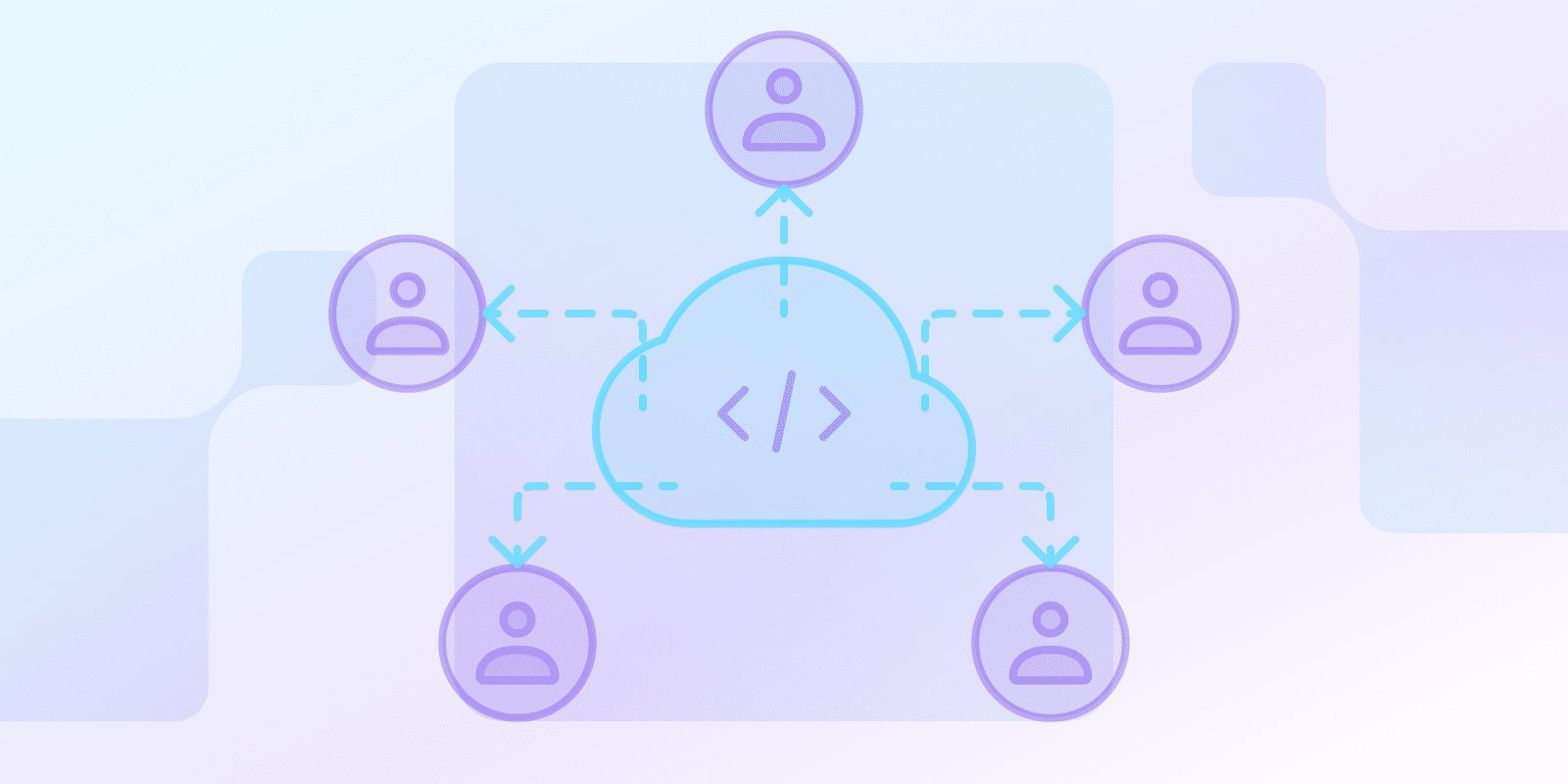
Public cloud, also known as external cloud, is a form of cloud computing that involves a third party providing end customers with access to the computing resources they require, such as servers, applications, and storage space, through the Internet. The provider runs them from its own data centers; the AWS Cloud, for example, spans 39 geographic regions as of October 2026. Public cloud services are usually billed on a ‘pay-as-you-go’ basis.
What are the 3 Main Types of Cloud Deployment Models?
The main cloud deployment models are the public cloud, private cloud, and hybrid cloud. Every model is geared towards the needs and demands of a certain group of users. The public cloud offers shared resources for cost efficiency, the private cloud provides dedicated resources for enhanced control, and the hybrid cloud combines both for flexibility. The ideal model for your organization depends on specific requirements like security, budget, and desired level of control.
How Does Public Cloud Compare to On-Premise Infrastructure?
Public cloud differs from on-premises infrastructure by ownership, payment structure, flexibility, assistance, and openness. Above all, while public cloud resources are owned and run by the third-party CSP, on-premise resources are owned and run by the actual company. This results in variations in costs, scalability, and responsibilities.
| Feature | Public Cloud | On-Premise Infrastructure |
|---|---|---|
| Ownership & Control | ||
| Resource Ownership | Owned by third-party cloud service provider | Owned by the company |
| Infrastructure Management | Managed by cloud service provider | Managed internally by the company’s IT team |
| Cost & Financial Model | ||
| Pricing Structure | Pay-as-you-go, usage-based | Initial investment and ongoing maintenance expenses |
| Capital Expenditure | Minimal upfront costs | Significant upfront hardware and setup costs |
| Scalability & Flexibility | ||
| Resource Scaling | On-demand scaling to meet varying demands | Requires hardware upgrades for scaling |
| Accessibility | Accessible via the internet from anywhere | Through the company’s own network or a VPN |
What are the Advantages and Disadvantages of Public Cloud?
In this multi-tenancy model, each customer’s data and applications remain isolated (Microsoft Azure). However, in public cloud environments, data is stored across multiple servers in data centers owned and managed by cloud service providers (CSPs), where users lack direct control over these servers and have less control over the underlying infrastructure compared to on-premises solutions.
When considering cloud deployment models, the public cloud is applicable for scenarios involving fluctuating demand, such as websites with variable traffic, development and testing setups, and offsite data storage.
If you opt for the public cloud, conduct thorough research on providers and implement robust security measures to safeguard your data.
What are Some Examples of Public Cloud Providers and Services?
Some of the leading public cloud solutions include AWS, Azure, and GCP. The AWS Cloud spans 39 geographic regions as of October 2026 (AWS). Public cloud services fall into three models:
- Infrastructure as a Service (IaaS): Virtual machines, storage, as well as networking.
- Platform as a Service (PaaS): Cloud-based solutions for application development and deployment.
- Software as a Service (SaaS): Applications stored in the cloud (such as Salesforce, Dropbox, and others).
Visit AWS, Azure, and GCP websites to look for more information on the options tailored to your organization’s needs.
Conclusion
The public cloud is a cloud computing model that involves a third-party provider for businesses of all sizes. By understanding its features, benefits, and considerations, you can determine if it suits your organization.
Ready to get started?


 English
 Español
 Português
 Português do Brasil
 Français
 Italiano
 Deutsch
 Nederlands
 Polski
 Română
 Українська
 简体中文
 日本語
 한국어