
Product Strategy and Market-Fit
What is a SaaS Unified Customer Profile (UCP)?
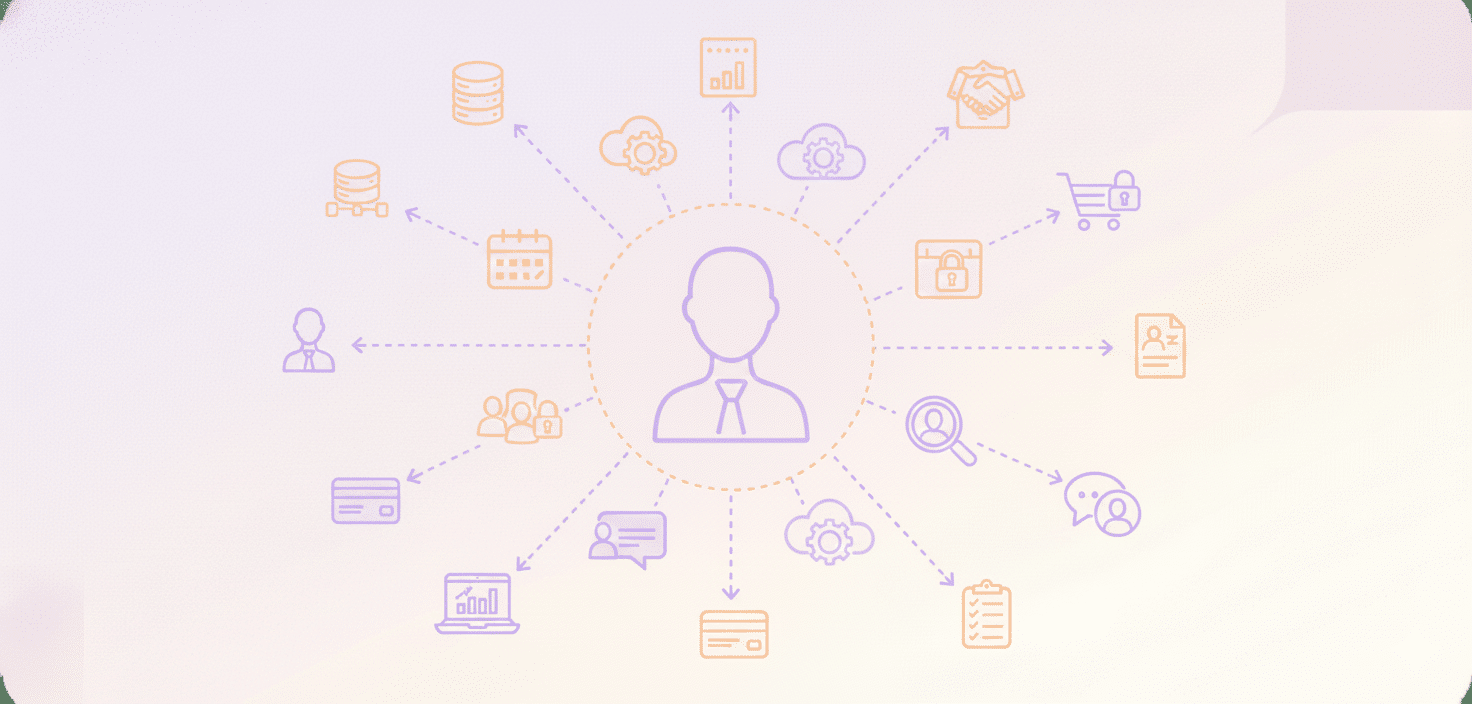
What is a SaaS Unified Customer Profile (UCP)?
A SaaS Unified Customer Profile (UCP) is a single point of entry to all the customer-related information.
It includes details like:
- name
- address
- purchase history
- communication records
This information has the potential to affect customer service, friction levels, and the processes of decision-making..
This practice is in line with the trend of creating integrated databases and focusing on the individual customer experience. The implementation of a UCP may affect customer satisfaction.
What types of data are included in a SaaS Unified Customer Profile?
A SaaS Unified Customer Profile integrates various types of information to create an exhaustive picture of the customers. This applies to:
- identity
- behavioral
- historical
- preferential data
- predictive data.
Amongst such information, customer details are usually available, such as name, email address, location, etc., together with activity history such as browsing, purchase, email marketing, app activity, or direct feedback.
Do not underestimate the significance of zero-party data for creating accurate and detailed profiles, as it is provided directly by the customer.
How does a SaaS Unified Customer Profile (UCP) differ from traditional customer profiling methods?
The differences between SaaS unified customer profiles and traditional customer profiling include:
|
Concept |
Characteristics |
|
SaaS UCP |
|
|
Traditional Customer Profiling |
|
Why is a SaaS Unified Customer Profile (UCP) important for businesses?
A SaaS Unified Customer Profile (UCP) integrates data from multiple sources, offering businesses a consolidated perspective of their customers.
This perspective may influence revenue, customer retention, and competitive positioning through early detection of churn factors, identification of optimal customer communication methods, and simplification of operational processes..
The UCP enables businesses to create marketing segments or customer groups for targeted messaging, a practice that may affect relationship management and presents an alternative to a singular view of customers.
How do I build a successful SaaS Unified Customer Profile (UCP) strategy?
To achieve a comprehensive SaaS UCP strategy, incorporate historical data analysis, real-time data integration, predictive insights, and easy integration across all customer touchpoints and teams.
This integrated perspective gives an overview of:
- what the customer has done in the past
- their current behavior
- what they might do in the future
Stress on data migration and integration, consider regulation and strong data management, consider AI and human interaction, and create a strong contingency plan for a solid foundation.
What are the best practices for building and maintaining SaaS Unified Customer Profiles?
SaaS Unified Customer Profile strategies include:
- adopt a modular architecture for the scalability of your SaaS Unified Customer Profiles.
- the concentration of activities related to SaaS deployment in one location has a relationship with the effectiveness of data management.
- implement role-based access control for security, ensuring only authorized personnel can access sensitive customer data.
- have an IT procurement process to control the acquisition of new software and to carry out periodic reviews of the security policies of the vendors with which the company does business.
What are the challenges and advantages of building and maintaining SaaS Unified Customer Profiles?
Building and maintaining SaaS Unified Customer Profiles has both advantages and disadvantages.
| Pros | Cons |
|
|
Conclusion
A SaaS Unified Customer Profile is crucial for businesses operating in areas demanding a personalized approach. Integrating data, including progressive profiling, and considering different touchpoints may contribute to a more comprehensive understanding of customers and potentially affect engagement and retention.
Ready to get started?


 English
  Español
  Português
  Português do Brasil
  Français
  Italiano
  Deutsch
  Nederlands
  Polski
  Română
  Українська
  简体中文
简体中文  日本語
日本語  한국어
한국어