

¿Cómo implementar la fijación de precios de costo más margen en tu negocio SaaS?
Para introducir el uso de la fijación de precios de coste más margen en una empresa SaaS, se necesita una estrategia clara y eficiente para calcular los costes y luego añadir un margen de beneficio basado en sus objetivos. Esto es importante para asegurar que el precio cubra los gastos y genere un beneficio, reflejando la situación financiera del negocio.
Esta guía presenta el proceso de creación y aplicación del modelo de precios de costo más margen, el cual puede ser relevante para definir un precio para su producto.
Calcule y Clasifique los Costos Totales de Su Producto SaaS
El primer paso es crear una lista de los costos asociados con el suministro de su software a usuarios o unidades individuales durante un período de tiempo específico (por ejemplo, mensual o anual). Esta es la base para el Precios de costo más margen SaaS estrategia.
Luego, inspeccione cada actividad de su SaaS producto para identificar y cuantificar cada gasto. Despliegue los costos en estas categorías:
|
Categoría de costo |
Descripción & Ejemplos (Contexto SaaS) |
Método de Asignación de Costos |
|
Costos Directos (COGS) |
Gastos directamente vinculados a la provisión del producto/usuario. |
Dividir el costo total por el número de usuarios o transacciones. |
|
Alojamiento & Infraestructura: Tarifas de AWS/Azure/GCP, servicios de base de datos, CDN. |
||
|
Mano de Obra Directa: Salarios para Soporte al Cliente L1/L2, DevOps para mantenimiento. |
||
|
APIs/Licencias de Terceros: Coste de herramientas externas necesarias para la función principal del producto (p. ej., tarifas de procesamiento de pagos, costes de pasarela SMS). |
||
|
Costes de Desarrollo Amortizados |
Gastos de capital iniciales distribuidos a lo largo de la vida útil esperada del producto. |
Dividir el coste total de I+D por los meses de usuario esperados durante 3-5 años (p. ej., 36 meses). |
|
Salarios de I+D: Salarios de desarrolladores, gerentes de producto y diseñadores. |
||
|
Costes Indirectos (Costos fijos) |
Costes necesarios que no cambian con el volumen de producción. |
Asignar una parte proporcional (por ejemplo, basándose en el número de empleados o el porcentaje de ingresos) al producto/unidad específico. |
|
Salarios Administrativos: RRHH, Finanzas, Personal ejecutivo. |
||
|
Alquiler de oficina, Servicios públicos, Seguros. |
||
|
Costos variables |
Costos que fluctúan con el volumen de uso o ventas. |
Rastrear y calcular directamente por unidad o transacción. |
|
Comisiones de ventas. |
||
|
Costos de Marketing & Adquisición de Clientes (CAC): Aunque a veces se presenta como un gasto fijo general, el costo de adquisición de clientes debe tenerse en cuenta en el costo unitario, ya que determina la rentabilidad. |
“CloudBoost” determina sus costos por usuario al mes de la siguiente manera:
- Costos Directos: Los gastos inmediatos como el Alojamiento web, el Soporte al Cliente y las Tarifas de Pago ascienden a $35.00.
- Costos de Desarrollo Amortizados: Tomaron el costo inicial de I&D de $1 millón y lo distribuyeron a lo largo de 3 años, proyectando un total de 5,000 usuarios. Esto añade un promedio de $11.11 por usuario, por mes.
- Gastos Generales Asignados: que no están directamente ligados al producto, como el alquiler y los salarios administrativos, añadiendo $8.89.
Sumando todos estos costos, el Costo Total por Usuario/Mes (CT) para CloudBoost es de $55.00
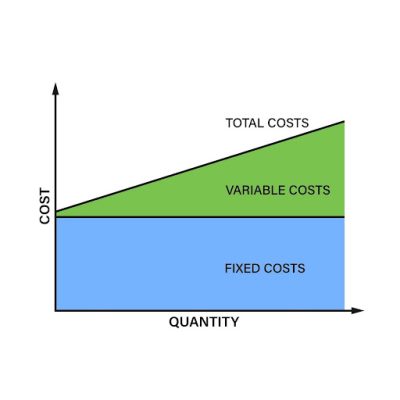
Asignación Precisa de Costos es el desafío más significativo. En SaaS, los costos se comparten (p. ej., un solo servidor aloja múltiples servicios). Para proporcionar una visión precisa del costo unitario real, puede utilizar Costeo Basado en Actividades (ABC)—donde se asignan los costos a las actividades y luego a los productos, según su uso de esas actividades.
El desafío de la gestión eficaz de costes es asignar los costes correctamente, especialmente en SaaS, donde los costes se asignan de forma multifuncional (por ejemplo, un servidor sirve a varios servicios). Para lograr una representación precisa del coste real, el Costeo Basado en Actividades (ABC) enfoque debería utilizarse, en el que los costes se asignan a las actividades y luego a los productos en función del uso de las actividades.

Lista de Verificación Gratuita de Estrategia de Precios Basada en Coste más Margen para SaaS
Aprende cómo calcular los precios de costo más margen, asegurar beneficios y validar tu posición en el mercado.
-

Desglose paso a paso de los costes
-
Guía para establecer el margen de beneficio
-
Claves para el análisis competitivo
-
Disparadores de revisión y ajuste
Define y Formaliza el Porcentaje de Recargo de Beneficio Deseado
Decide el margen de beneficio que tu empresa aspira a lograr además de los costes totales. Este margen se establece como un porcentaje de recargo.
el margen de beneficio que tu empresa aspira a lograr además de los costes totales, debería establecerse como un porcentaje de recargo.
Defina un porcentaje de margen específico basado en los objetivos financieros, el posicionamiento en el mercado y las expectativas de los stakeholders.
Un margen inferior (p. ej., 15-20%) puede ser una opción si su empresa es una startup enfocada en el crecimiento rápido y la cuota de mercado. Un rango superior (p. ej., 30-50%) puede ser un objetivo para empresas maduras y rentables con una fuerte capacidad de defensa. Según los puntos de referencia estándar de la industria, un margen bruto de 70-80% (que se relaciona directamente con COGS) es el objetivo de muchas empresas establecidas SaaS B2B empresas. Sin embargo, para un enfoque de costo total (que incluye todos los gastos generales), un margen de beneficio neto de 20-30% a menudo es el objetivo.
La fórmula para determinar el porcentaje de margen es:
| Porcentaje de Margen = (Beneficio Deseado / Costo Total) x 100 |
Tomemos CloudBoost como ejemplo. Su costo es de $55.00 por unidad. Busca un margen del 35% sobre el costo, lo que podría financiar mejoras de software.
Comprueba tu Costo de Adquisición de Clientes (CAC) y Valor de Vida del Cliente (LTV). Una estrategia de precios de costo más margen debe asegurar que su LTV sea significativamente mayor que su CAC. Si su margen de beneficio objetivo (p. ej., 20%) resulta en un precio donde LTV/CAC es menor que la proporción saludable estándar de 3:1, su margen de beneficio es probablemente demasiado bajo, o su CAC es demasiado alto.
Lista de Verificación Gratuita de Estrategia de Precios Basada en Coste más Margen para SaaS
Aprende cómo calcular los precios de costo más margen, asegurar beneficios y validar tu posición en el mercado.
-
Desglose paso a paso de los costes
-
Guía para establecer el margen de beneficio
-
Claves para el análisis competitivo
-
Disparadores de revisión y ajuste
Calcule el Precio de Venta utilizando la Fijación de Precios de Costo Más Margen
Una vez que conozca el costo total, aplíquele el porcentaje de beneficio deseado (el margen de beneficio).
Utilice esta sencilla fórmula de Fijación de Precios de Costo Más Margen:
| Precio de Venta = Costo Total + (Costo Total x Porcentaje de Margen de Beneficio) |
Usaremos el objetivo de beneficio del 35% (margen) con el costo total de CloudBoost:
- El costo total es $55
- Objetivo de beneficio (35%) -> 0.35;
Calculemos el monto de beneficio = $55.00 x 0.35 = $19.25
Y ahora el precio de venta = $55.00 + $19.25 = $74.25
El precio final calculado es $74.25 por usuario cada mes. De esta manera se aseguran de que CloudBoost cubra todos sus costos y logre su objetivo de un 35% de beneficio.
Si su empresa SaaS necesita una plataforma confiable que pueda optimizar y automatizar el facturación, Suscripciones, cálculo y presentación de impuestos, procesos de pago a nivel global, utilice la plataforma todo en uno de PayPro Global. Soporta modelos de precios complejos para empresas SaaS, incluyendo costo más, escalonadosy estructuras basadas en el uso.
Lista de Verificación Gratuita de Estrategia de Precios Basada en Coste más Margen para SaaS
Aprende cómo calcular los precios de costo más margen, asegurar beneficios y validar tu posición en el mercado.
-
Desglose paso a paso de los costes
-
Guía para establecer el margen de beneficio
-
Claves para el análisis competitivo
-
Disparadores de revisión y ajuste
Validar el Precio Calculado frente al Valor de Mercado y los Precios de la Competencia
La estrategia de precios de costo más implica añadir un margen de beneficio al costo de los bienes, convirtiéndolo en un proceso interno. Sin embargo, el mercado decide el precio real que pagan los clientes. Esta estrategia integra enfoques competitivos y enfoques basados en el valor.
Realizar un análisis de la competencia y un análisis de la disposición a pagar del cliente:
|
Escenario |
Estrategia Recomendada |
Fundamento |
|
Nuevo Mercado/Alta Diferenciación |
Precios Basados en el Valor (Híbrido) |
Su valor supera con creces su baja base de costos de SaaS; un costo-más puro deja dinero sobre la mesa. |
|
Comoditizado/Alta Competencia |
Precios competitivos (Híbrido) |
Debe alinearse con los competidores; el costo-más es una verificación de sentido común para asegurar que no venda con pérdidas. |
|
Start-up/Costos Estables/Enfoque en la Financiación |
Costo-Más (Inicial) |
Lo más fácil de justificar a los inversores: "Cubrimos todos los costes y obtenemos un 20% de beneficio." Proporciona una clara estabilidad financiera. |
|
Producto a largo plazo/Maduro |
Basado en el valor + Coste más margen (Híbrido) |
Utilizar el coste más margen para establecer el precio mínimo, y el basado en el valor para establecer el precio máximo, maximizando los ingresos. |
Si el precio calculado de $74.25 es más alto que lo que otros competidores ofrecen por un producto similar que es de ~$65.00, podrías considerar hacer lo siguiente: (a) bajar tu precio (lo que significa sacrificar ganancias), (b) aumentar el valor de tu producto (avanzando hacia una fijación de precios basada en el valor) o (c) mejorar la eficiencia de tus esfuerzos de marketing y ventas.
Consejo: Utiliza Precios escalonados para maximizar las ganancias: aplica el estrategia de precios de costo más margen al nivel base/más bajo, y luego aplica Precios basados en el valor a los niveles premium, donde el diferencial de costo es mínimo pero el valor percibido por el cliente es alto.
Lista de Verificación Gratuita de Estrategia de Precios Basada en Coste más Margen para SaaS
Aprende cómo calcular los precios de costo más margen, asegurar beneficios y validar tu posición en el mercado.
-
Desglose paso a paso de los costes
-
Guía para establecer el margen de beneficio
-
Claves para el análisis competitivo
-
Disparadores de revisión y ajuste
Implementar un Ciclo Sistemático de Revisión y Ajuste
Los costos de SaaS a menudo siguen un patrón no lineal. A medida que la base de clientes se expande, el costo asociado con cada usuario puede cambiar significativamente. Si el modelo de precios no es flexible, puede que no capture con precisión las economías de escala resultantes, es necesario establecer una revisión de precios obligatoria de forma trimestral o semestral.
¿Cuándo revisar tus precios? Es importante revisar tus precios de inmediato cuando suceden ciertas cosas. Estos son los principales factores que deberían hacerte revisar tu estrategia de precios:
- Si detectas un cambio en los costos de un proveedor clave, como una variación superior al 10%
- Cuando alcanzas un número importante de usuarios (como pasar de 1,000 a 10,000 usuarios) el costo por usuario del desarrollo y alojamiento del servicio puede cambiar;
- Si un competidor importante entra o sale del mercado, o realiza un cambio significativo en sus propios precios.
Métricas de seguimiento
Supervise su Margen de Beneficio Bruto y Margen de Beneficio Neto en relación con el objetivo que estableció en el Paso 2. Si el margen de beneficio neto está consistentemente por encima del 35%, puede ser una oportunidad para aumentar el precio (si cree que está cobrando de menos) o invertir el beneficio adicional en nuevas funcionalidades.
|
Métrica |
Objetivo |
Acción si está por encima del objetivo |
Acción si está por debajo del objetivo |
|
Margen de Beneficio Neto |
35% |
Mantener el precio/Aumentar la inversión en I+D. |
Revisar costos (Paso 1) o Aumentar precio/margen (Paso 3). |
|
Ratio LTV:CAC |
3:1 |
Aumentar el gasto en marketing (Escalar el crecimiento). |
Revisar el precio ¿(Es demasiado bajo?) o Reducir el CAC. |
Conclusión
En conclusión, la estrategia de precios de costo más margen proporciona una estructura para recuperar los costos asociados con el producto SaaS. El proceso implica calcular todos los costos directos e indirectos, añadir un objetivo de margen, y luego establecer el precio de venta utilizando la fórmula de precios de costo más margen. Este método proporciona estabilidad y una sensación de seguridad.
Sin embargo, debe revisarse periódicamente junto con otras posiciones estratégicas que ya están en el mercado y que también responden al mercado en constante cambio.
Preguntas frecuentes
-
La fórmula es: Precio de Venta = Costo Total + (Costo Total × Porcentaje de Margen). Asegúrese de que todos los gastos operativos estén cubiertos para garantizar un margen de beneficio específico en cada venta.
-
El método considera principalmente factores internos, que pueden estar relacionados pero no incorporan completamente los precios de la competencia, la percepción del valor de mercado o los umbrales de pago del cliente.
Dado que el software comúnmente implica una inversión inicial significativa y menores gastos posteriores, la aplicación del precio de costo más margen por sí sola podría no proporcionar una valoración completa.
-
Debe incluir todos sus gastos: elementos que cambian según el uso (como el alojamiento web y el soporte), costos fijos de oficina (como el alquiler y los salarios de los gerentes), tarifas de transacción y una parte del costo de desarrollo original distribuida entre cada usuario.
Excluir los costos fijos de las consideraciones de precios puede tener implicaciones para los resultados financieros.
-
Este método puede ser aplicado por empresas nuevas o aquellas en mercados con poca competencia, y podría afectar su situación financiera. Su objetivo es facilitar la cobertura de gastos y el logro de objetivos de beneficio mínimo en las etapas iniciales.
Piénselo como establecer un precio mínimo para ayudar a recuperar su inversión inicial antes de pasar a estrategias de precios más complejas basadas en el valor real de su software.
-
A medida que la base de clientes crece, los costos totales disminuirán debido al efecto de las economías de escala. Su estrategia de precios debería ser lo suficientemente flexible para aumentar el margen de beneficio o ajustar el modelo de precios.
-
Sí, porque existe la posibilidad de que el equipo no se centre en buscar métodos rentables y, en su lugar, dedique demasiado tiempo a los procesos internos.
-
La fijación de precios de coste más margen ayuda a determinar si tu precio respalda una relación LTV:CAC saludable (idealmente 3:1 o superior). El precio debe ser lo suficientemente alto para cubrir CAC y COGS, mientras proporciona un LTV suficiente para un crecimiento sostenible.
La fijación de precios de coste más margen es útil para determinar si su precio cubre todos los costes, incluidos el CAC y el COGS, y deja un beneficio suficiente para el crecimiento. El precio debe ser lo suficientemente alto para cubrir todos los gastos.
¿Listo para comenzar?
Hemos estado donde usted está. Compartamos nuestros 19 años de experiencia y hagamos realidad sus sueños globales.



 Español
  English
  Português
  Português do Brasil
  Français
  Italiano
  Deutsch
  Nederlands
  Polski
  Română
  Українська
  简体中文
简体中文  日本語
日本語  한국어
한국어