
クラウドセキュリティ
クラウドセキュリティ共有責任モデルとは何か?
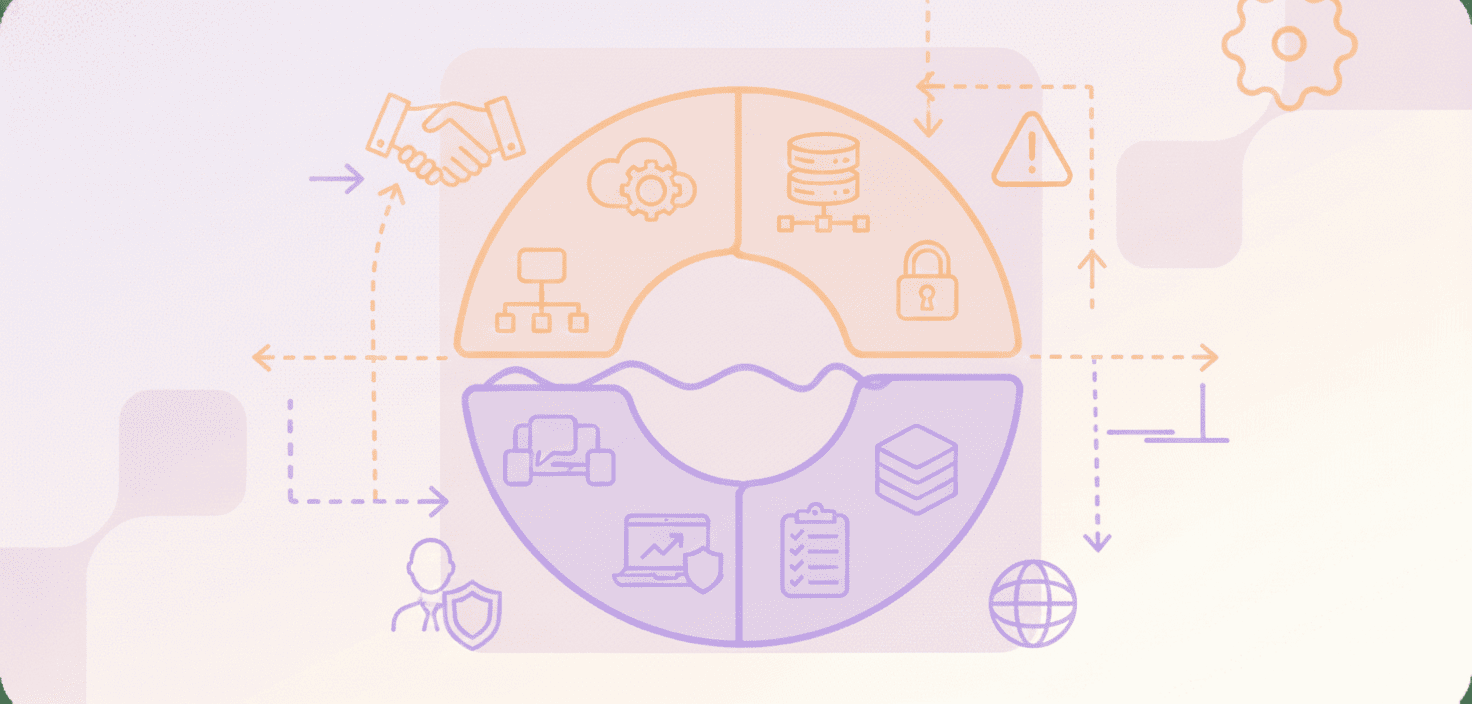
クラウドセキュリティ共有責任モデルとは何か?
クラウドセキュリティ共有責任モデルは、クラウドサービスプロバイダー(CSPs)と顧客のセキュリティ責任を定義します。
「CSPはクラウドのセキュリティに責任を負う一方、顧客はクラウド上でホストされるアプリケーションとデータのセキュリティに責任を負う」と述べられています。
このモデルは、CSPと顧客双方の責任を明確にし、効果的なクラウドセキュリティとコンプライアンスを促進します。
このモデルの原則が理解され適用されない場合、いくつかのセキュリティギャップが蓄積し、データ侵害につながる可能性があります。
クラウドセキュリティ共有責任モデルとは何か?
ソーシャルプルーフとは、様々な購買決定を下す際に、ユーザーのフィードバックや印象を参考にしようとする、多くの人が利用する心理戦術です。
SaaSビジネスでは、自社製品がポジティブな体験を提供し、ユーザーのニーズに応えていることを示すために、ソーシャルプルーフを活用します。
顧客は単発の購入ではなく、長期的なソリューションを求めているため、SaaSビジネスにおいては信頼関係を築くことが重要となります。
クラウドセキュリティにおける共有責任モデルはどのように機能するか?
責任共有モデルは、セキュリティとコンプライアンスの責任をクラウドサービスプロバイダー(CSP)と顧客に割り当てます。CSPがクラウドのセキュリティに責任を負い、これには以下が含まれます。
- インフラストラクチャ
- ハードウェア
- クラウドサービスソフトウェア
- DDoS攻撃のような脅威やクラウドプラットフォームの脆弱性から保護するためのセキュリティ対策の実施
対照的に、顧客はクラウド内のセキュリティに責任を負い、これには以下が含まれます。
- データ
- アプリケーション
- アイデンティティとアクセス管理
- 使用中のサービスモデルに応じて、オペレーティングシステム。
共有責任モデルにおいて、セキュリティの責任はIaaS、PaaS、SaaS間でどのように異なるか?
責任共有モデルでは、セキュリティタスクの分担は大きく異なります。 Infrastructure as a Service (IaaS), Platform as a Service (PaaS)、そして Software as a Service (SaaS).
|
モデル |
セキュリティ責任 |
|
Infrastructure as a Service (IaaS) |
プロバイダーがインフラストラクチャを管理し、顧客がその他すべてを担当するため、最も高い制御を提供します |
|
Platform as a Service (PaaS) |
一部の責任をプロバイダーに移行し、オペレーティングシステムとミドルウェアをカバーしますが、顧客にはアプリケーションとデータの責任が残ります |
|
Software as a Service (SaaS) |
制御の範囲が最も狭く、プロバイダーがほとんどの側面を管理し、顧客はシステムデータとユーザーアクセス管理に責任を負います。 |
共有責任モデルにおいて、顧客がクラウドセキュリティの責任を管理するのに役立つツールにはどのようなものがありますか?
人々がクラウドセキュリティタスクを実行するのを支援するために、多くのツールが利用可能です。例えば:
- IDおよびアクセス管理(IAM)ソリューション ユーザーアクセスを制御するためのものです。
- アプリケーションとインフラストラクチャの弱点を見つけるための脆弱性スキャナー
- 脅威検出とインシデント対応のためのセキュリティ情報およびイベント管理(SIEM)システム
クラウドプロバイダーは以下も提供します:
- ファイアウォール
- 暗号化
- セキュリティ強化のためのDLPツール
効果的なクラウドセキュリティを実現するためには、これらのツールを適切に設定し、使用する必要があります。
共有責任モデルは、組織のクラウドセキュリティ体制にどのように影響しますか?
共有責任モデルは変化しました クラウドセキュリティ クラウドプロバイダーと顧客の間でセキュリティ運用を分離することにより。この概念をしっかりと把握することが、安全な状態を確保し維持するために不可欠です。
このモデルは:
- インフラストラクチャのセキュリティをプロバイダーに移行することで、オーバーヘッドを最小限に抑えます。
- SaaS企業が自社のデータとアプリケーションのセキュリティに注力できるようにします。
- クラウドプロバイダーが追加のセキュリティリソースと専門知識を割り当てるオプションを提供します。
しかし、関係者間で役割と責任が明確に理解されていない場合、責任共有モデルは混乱を増大させ、セキュリティ上の脆弱性を生じさせる可能性があります。
さらに、SaaS企業はクラウドプロバイダーのインフラセキュリティプロセスへの依存度を高める可能性があります。
セキュリティ対策を継続的に監視し、適応させてください。
結論
クラウドセキュリティの責任共有モデルは、クラウドセキュリティに関するクラウドプロバイダーと顧客の責任を明確に定義しています。このモデルは十分に理解され、セキュリティポリシーの弱点は継続的な改善を通じて排除されるべきであり、これにより組織はクラウドセキュリティの複雑さとその資産の保護に関して安心感を得ることができます。
準備はよろしいですか?


 日本語
日本語  English
  Español
  Português
  Português do Brasil
  Français
  Italiano
  Deutsch
  Nederlands
  Polski
  Română
  Українська
  简体中文
简体中文  한국어
한국어