
財務管理に影響を与えることができます。
SaaS運転資本管理とは?
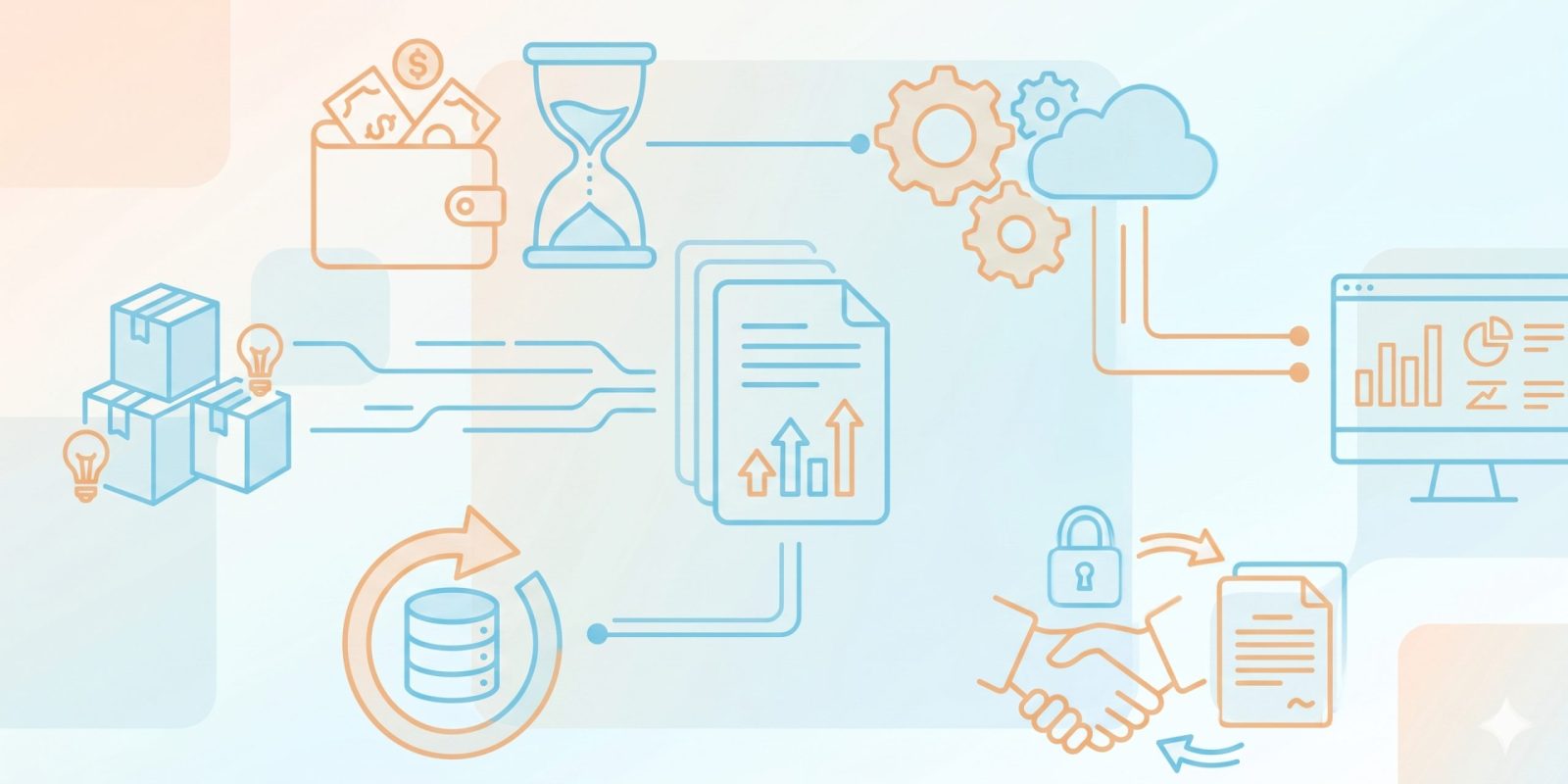
SaaS運転資本管理とは?
ソーシャルプルーフとは、様々な購買決定を下す際に、ユーザーのフィードバックや印象を参考にしようとする、多くの人が利用する心理戦術です。
SaaSビジネスでは、自社製品がポジティブな体験を提供し、ユーザーのニーズに応えていることを示すために、ソーシャルプルーフを活用します。
顧客は単発の購入ではなく、長期的なソリューションを求めているため、SaaSビジネスにおいては信頼関係を築くことが重要となります。
SaaS運転資金の4つの要素とは何ですか?
サブスクリプションビジネスは、4つの会計要素のバランスを取ることで短期的な流動性を管理します。各要素は、組織がどれだけ長く存続できるかに関係しています。
- 現金および現金同等物: ソフトウェアの構築、従業員の給与、サーバーの稼働維持のために確保されている資金。
- 売掛金(AR): 法人顧客から計上された収益のうち、ライセンスを信用取引で購入したため、まだ回収されていないもの。
- 買掛金(AP): ベンダー、マーケティング代理店、または技術サプライヤーに直ちに支払うべき請求。
- 繰延収益: 契約期間中にサービスが段階的に提供される前に、顧客から前払いとして受け取った現金。
ビジネスケースは、日々の業務においてこれらの要素を連携させます。例えば、エンタープライズコラボレーションプラットフォームでの顧客の前払い金は、エンジニアリング部門の給与支払いと連動します。あるいは、クラウドストレージプロバイダーは、企業与信請求書が決済された後、買掛金条件を活用してインフラコストを調整します。
サブスクリプションモデルは資本指標にどのように影響しますか?
サブスクリプションモデルは、前払い請求と契約価値が組み合わされ負債として計上されるため、現金化サイクルパターンに標準的な調整を伴います。企業が1年以上をカバーする顧客からの前払い金を受け取ると、その時点で会計帳簿に現金の動きが記録されます。繰延収益も同時に計上されます。この仕組みは運転資本サイクルと結びついており、顧客資金がそのサイクル内で様々な企業活動と関連付けられます。
商用クライアント向けのフィットネス追跡アプリケーションにおける事例です。当該企業は、サービス提供開始前にプラットフォームの年間サブスクリプションを前払いで徴収します。このプロセスにより、資金調達要素が顧客グループと関連付けられ、信用構造に即座の調整が登録されます。資産残高は、定期的な戦略的チェックにおいて、チームが複数の企業要因を調査することを要求します。
- 月額従量課金契約に対する年間契約請求額の比率。
- 大規模企業の売掛金残高について、構造的な回収スケジュールが記載されています。
- インフラプロバイダーとの契約書に記載されている、契約上の支払いスケジュール。
運転資金のニーズをどのように予測しますか?
流動性計画では、ローリング予測モデルを適用し、設定された期間におけるキャッシュ配分を予測します。財務チームは、さまざまな運用項目に対応するために個別の時間枠を適用します。
- 3ヶ月の期間: 短期的なコストを記録。これには、ベンダーへの支払い、給与サイクル、インフラのスケーリングコストなどが含まれます。
- 6ヶ月の期間: パイプライン調整および予定されているマーケティング活動と共に顧客獲得率を記録。
- 12ヶ月の視野: 現金データに基づいた人員数予測と資本構造の見直しに関連して、戦略的な製品タイムラインを一覧表示します。
|
予測指標 |
主要な運用上の優位性 |
潜在的な実装上の課題 |
|
3ヶ月ローリングキャッシュサイクル |
短期的なキャッシュフローをサポートし、週ごとのベンダー支払いを手配します。 |
長期的な製品ロードマップと利用可能な現金リソースを結びつけます。 |
|
12ヶ月の資金予測 |
このプロセスは継続的な会計データの追跡と修正を活用します。 |
市場変動および変化する顧客解約要因に左右される。 |
運転資金のフレームワークを最適化する必要はありますか?
企業のリーダーは、流動性に関する慣行を、いくつかの社内業績指標を確認することで見直しています。経営陣に問いかけてみてください。特定の四半期において、通常の給与支払いのうち、どれほどの割合が信用枠から引き出されているでしょうか?法人顧客からの回収期間は、製品開発のタイムラインとどのように連携していますか?これらの分野におけるパターンを把握することは、戦略的な一歩として、短期的な資本指標をより綿密に検討するようチームを促すでしょう。組織は通常、このプロセスにおいて特定の業務要因を優先します。
- 最近の期間に記録された顧客維持率のパターンと、その率がいかに安定しているか。
- ミッドマーケット案件とエンタープライズ層の両方で測定されるセールスサイクル期間。
- 回収業務における日々のパフォーマンスレベル、および売掛金管理。
資本管理の手法はどのように導入しますか?
包括的な概念を理解するために、事業流動性をエンジンに燃料を供給する燃料ラインと捉えてみましょう。たとえ非常に強力なエンジンであっても、燃料の供給が不規則になったり制限されたりすると停止してしまいます。営業チーム向けに成果報酬型インセンティブが設定されると、そうした取り組みが実行に移されます。方向性は、月次請求構造から年間前払いに移行します。さらに、財務部門は売掛金回収のフォローアップを自動化に取り組んでいます。主要ではあるが重要度の低いベンダーとは、支払期限の延長について交渉が行われます。企業資本管理は、将来の投資資金調達における外部資金調達要件や評価倍率と関連しており、この全体像のもう一つの側面を形成します。
健全な運転資金管理のメリットは何ですか?
サブスクリプションビジネス 短期的な財務構造を処理する。運用上の要因が見直される。現金循環サイクル活動は通常、低下する。 外部資金調達の必要性。まず、内部留保は成長の方向と並んで記録される。次に、株式希薄化または債務依存度は貸借対照表の形式と並んで記載される。
法人バイヤーや機関投資家は、事業を審査する際に資本管理のアプローチに注目します。業務登録 キャッシュ生成を 消費ではなく記録します。この記録は より良い評価倍率と 機関投資家からの資金調達やM&A活動においてSaaS企業に現れるものと一致します。
結論
短期資本資産は、特定の形でソフトウェア企業の成長と関連しています。企業は、現金残高と回収、そして繰延収益負債のバランスを取るプロセスを経ます。これらの内部的な財務ダイナミクスは、時間とともに企業評価額と事業成績に結びつきます。
準備はよろしいですか?


 日本語
日本語  English
  Español
  Português
  Português do Brasil
  Français
  Italiano
  Deutsch
  Nederlands
  Polski
  Română
  Українська
  简体中文
简体中文  한국어
한국어