
클라우드 컴퓨팅 개념
클라우드 컴퓨팅이란?
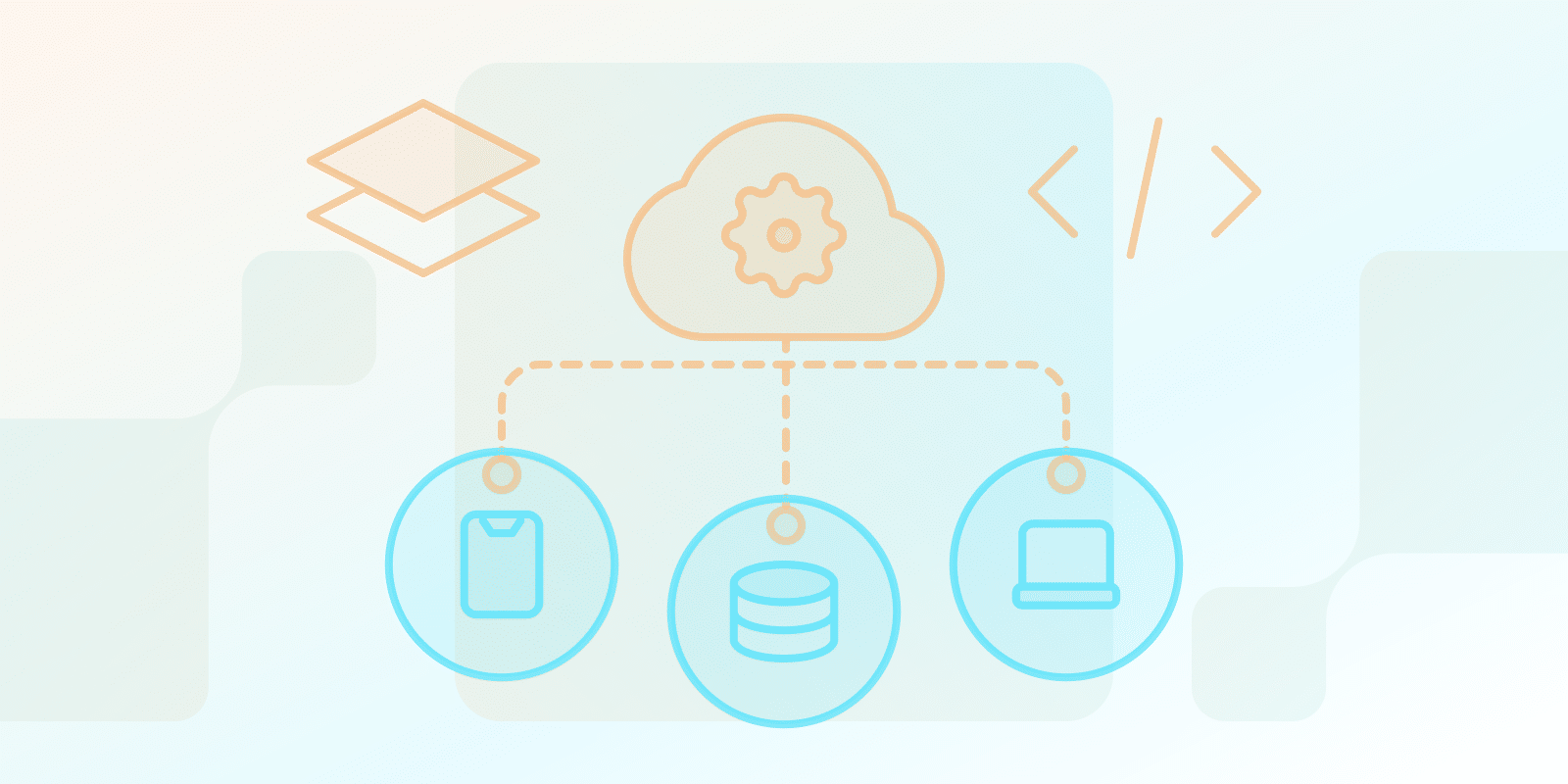
클라우드 컴퓨팅이란?
Cloud computing is defined as the use of shared computing resources, such as servers, storage and databases, networks, applications, analytics, and even intelligence, accessed over the Internet as a service. NIST’s definition (SP 800-145, September 2011) adds rapid provisioning and release with minimal management effort. This is a model in which, instead of a company owning and managing its own data centers and servers, it uses the cloud service provider’s technology and services when required.
가장 일반적인 클라우드 컴퓨팅 모델은 무엇입니까?
가장 일반적인 클라우드 컴퓨팅 모델은 세 가지입니다.
- 서비스로서의 소프트웨어(SaaS): Software applications are hosted and managed by the cloud provider and can be accessed through a web browser without the need for installation. Some examples of workplace apps include Google Workspace with Gmail, Salesforce, and Dropbox.
- 서비스로서의 플랫폼(PaaS): These are platforms where users can build, iterate, and run applications. Examples: AWS Elastic Beanstalk and Azure App Service.
- 서비스로서의 인프라(IaaS): Provides services such as computers like servers, storage, and networks on which you run your own programs and OSs. Examples: Amazon EC2, Google Compute Engine.
| 특성 | SaaS | PaaS | IaaS |
|---|---|---|---|
| 서비스 제공 | |||
| 주요 제공 | 바로 사용 가능한 소프트웨어 애플리케이션 | 개발 및 배포 플랫폼 | 컴퓨팅 인프라 리소스 |
| 액세스 방법 | 웹 브라우저 | 개발 도구 및 API | 직접 인프라 액세스 |
| 관리 및 제어 | |||
| 사용자 제어 수준 | 최소 (애플리케이션 설정만 해당) | 보통 (애플리케이션 개발 및 배포) | 최대 (전체 인프라 제어) |
| 공급자 책임 | Software, infrastructure, maintenance | 인프라 및 플랫폼 유지 관리 | 인프라 유지 관리만 |
| 사용 및 예시 | |||
| 대상 사용자 | 최종 사용자 및 기업 | 개발자 및 기술 팀 | 시스템 관리자 및 IT 팀 |
| 인기 있는 예시 | Google Workspace, Salesforce, Dropbox | AWS Elastic Beanstalk, Azure App Service | Amazon EC2, Google Compute Engine |
클라우드 컴퓨팅과 SaaS의 주요 차이점은 무엇입니까?
클라우드 컴퓨팅은 SaaS를 포함한 수많은 서비스 제공 모델을 설명하는 일반적인 용어입니다. 클라우드 컴퓨팅은 전체 피자로 가장 잘 정의되며, SaaS는 피자의 한 조각, 특히 소프트웨어 애플리케이션 조각으로 생각할 수 있으며, 여기서 서비스 공급자는 서버, 스토리지 등의 다른 모든 재료를 제공합니다.
A cloud is also classed by deployment: NIST SP 800-145 defines four deployment models; a 하이브리드 클라우드 combines private, community, or public clouds.
기업에 대한 클라우드 컴퓨팅의 이점은 무엇입니까?
Cloud computing involves these factors for businesses:
- 비용 절감: Pay-as-you-go pricing links 클라우드 비용 to utilized resources, differing from the expense of upfront hardware procurement.
- 확장성 및 유연성: 비용 초과 또는 사용 효율성 저하를 없애기 위해 필요에 따라 식별된 리소스를 늘리거나 줄일 수 있습니다.
- 신뢰성 및 가용성: This is seen in cloud providers with elaborate infrastructure to provide service availability and disaster recovery systems.
- 협업 및 접근성: Collaboration encompasses interaction, and accessibility involves information access from internet-connected locations.
- 자동 소프트웨어 업데이트: The provider manages updates and maintenance, which can influence the allocation of IT staff activities.
클라우드 컴퓨팅의 보안 고려 사항은 무엇입니까?
Security in cloud computing is a collaborative effort between you and the cloud provider. Here are key considerations:
- 데이터 보안 및 개인정보 보호: 데이터를 처리하기 위한 암호화 및 액세스 제어와 같은 관련 기능이 있고 보안이 최고 수준인 공급업체를 선택하세요.
- 끊임없는 노력이 필요하다는 것을 아는 것이 중요합니다.: 특히 귀사가 민감한 데이터(예: 의료 및 금융 분야)를 처리하는 경우 공급업체가 표준 정책 및 규정을 준수하는지 확인하세요.
- 인시던트 대응: 특히, 공급자가 어떤 조치를 취해 모든 사고에 대응하고 그러한 사고를 어떻게 알려주는지 알아보세요.
- 공유 책임 모델: In Microsoft’s model, the provider runs the physical infrastructure, while customers remain responsible for their data and identities in every service model (Microsoft Learn).
클라우드 공급자가 필요한 경우 사용 가능한 공급자는 다음과 같습니다. Amazon Web Services (AWS), Microsoft Azure, 그리고 Google Cloud Platform (GCP).
결론
클라우드 컴퓨팅은 모든 규모와 유형의 조직이 전달 과정에서 입력을 관리하거나 지출을 제어하는 도구로 정의할 수 있습니다. 그러나 클라우드로 전환하기 전에 정확한 요구 사항, 비용, 보안과 관련된 다양한 요소를 고려하는 것이 현명합니다.
시작할 준비가 되셨나요?


 한국어
 English
 Español
 Português
 Português do Brasil
 Français
 Italiano
 Deutsch
 Nederlands
 Polski
 Română
 Українська
 简体中文
 日本語