
Cloud Computing-concepten
Wat is cloudcomputing?
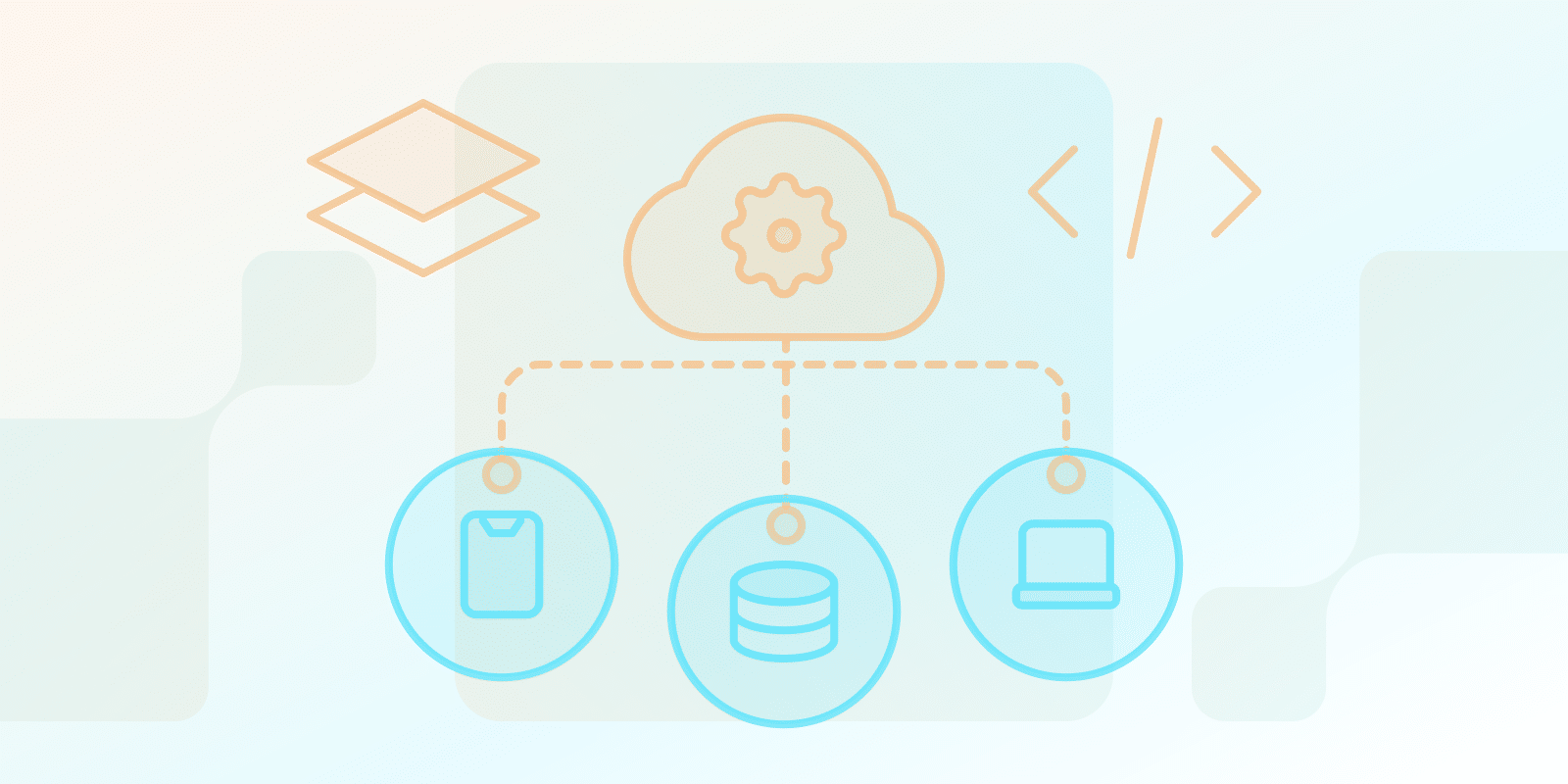
Wat is cloudcomputing?
Cloud computing is defined as the use of shared computing resources, such as servers, storage and databases, networks, applications, analytics, and even intelligence, accessed over the Internet as a service. NIST’s definition (SP 800-145, September 2011) adds rapid provisioning and release with minimal management effort. This is a model in which, instead of a company owning and managing its own data centers and servers, it uses the cloud service provider’s technology and services when required.
Wat zijn de drie meest voorkomende cloud computing-modellen?
Er zijn drie meest voorkomende cloud computing-modellen:
- Software as a Service (SaaS): Software applications are hosted and managed by the cloud provider and can be accessed through a web browser without the need for installation. Some examples of workplace apps include Google Workspace with Gmail, Salesforce, and Dropbox.
- Platform as a Service (PaaS): These are platforms where users can build, iterate, and run applications. Examples: AWS Elastic Beanstalk and Azure App Service.
- Infrastructuur als een dienst (IaaS): Provides services such as computers like servers, storage, and networks on which you run your own programs and OSs. Examples: Amazon EC2, Google Compute Engine.
| Kenmerken | SaaS | PaaS | IaaS |
|---|---|---|---|
| Servicelevering | |||
| Primair Aanbod | Gebruiksklare softwareapplicaties | Ontwikkelings- en implementatieplatforms | Computerinfrastructuurbronnen |
| Toegangsmethode | Webbrowser | Ontwikkeltools en API's | Directe infrastructuurtoegang |
| Beheer & Controle | |||
| Gebruikerscontroleniveau | Minimaal (alleen applicatie-instellingen) | Matig (applicatieontwikkeling en -implementatie) | Maximaal (volledige controle over de infrastructuur) |
| Verantwoordelijkheid van de provider | Software, infrastructure, maintenance | Infrastructuur- en platformonderhoud | Alleen infrastructuuronderhoud |
| Gebruik & Voorbeelden | |||
| Doelgebruikers | Eindgebruikers en bedrijven | Ontwikkelaars en technische teams | Systeembeheerders en IT-teams |
| Populaire voorbeelden | Google Workspace, Salesforce, Dropbox | AWS Elastic Beanstalk, Azure App Service | Amazon EC2, Google Compute Engine |
Wat is het belangrijkste verschil tussen cloud computing en SaaS?
Cloud computing is een algemene term die talloze serviceleveringsmodellen beschrijft, waarvan SaaS er één is. Cloud computing kan het best worden omschreven als de hele pizza, en SaaS kan worden gezien als een stukje van de pizza, met name het stukje softwareapplicatie, waarbij de serviceprovider alle andere ingrediënten levert, zoals servers, opslag, enz.
A cloud is also classed by deployment: NIST SP 800-145 defines four deployment models; a hybride cloud combines private, community, or public clouds.
Wat zijn de voordelen van cloud computing voor bedrijven?
Cloud computing involves these factors for businesses:
- Kostenbesparingen: Pay-as-you-go pricing links cloudkosten to utilized resources, differing from the expense of upfront hardware procurement.
- Schaalbaarheid en flexibiliteit: In staat zijn om de geïdentificeerde bronnen te verhogen of te verlagen, afhankelijk van de behoefte om kostenoverschrijdingen of inefficiëntie in gebruik te elimineren.
- Betrouwbaarheid en beschikbaarheid: This is seen in cloud providers with elaborate infrastructure to provide service availability and disaster recovery systems.
- Samenwerking en toegankelijkheid: Collaboration encompasses interaction, and accessibility involves information access from internet-connected locations.
- Automatische software-updates: The provider manages updates and maintenance, which can influence the allocation of IT staff activities.
Wat zijn de beveiligingsaspecten van cloud computing?
Security in cloud computing is a collaborative effort between you and the cloud provider. Here are key considerations:
- Gegevensbeveiliging en privacy: Kies een provider met een uitstekende beveiliging en relevante functies zoals encryptie en toegangscontroles voor het verwerken van uw gegevens.
- naleving: Zorg ervoor dat de provider zich houdt aan de standaardbeleidsregels en -voorschriften, vooral als uw bedrijf gevoelige gegevens verwerkt (bijvoorbeeld in de gezondheidszorg en financiële sector).
- Incidentrespons: Zoek specifiek uit welke maatregelen de provider heeft genomen om te reageren op incidenten en hoe ze u op de hoogte zullen stellen van een dergelijke gebeurtenis.
- Model voor gedeelde verantwoordelijkheid: In Microsoft’s model, the provider runs the physical infrastructure, while customers remain responsible for their data and identities in every service model (Microsoft Learn).
Als u een cloudprovider nodig hebt, zijn dit enkele van de vele bruikbare: Amazon Web Services (AWS), Microsoft Azure, en Google Cloud Platform (GCP).
Conclusie
Cloud computing kan worden gedefinieerd als een hulpmiddel voor elke organisatie van elke omvang en type om input te beheren of uitgaven te controleren in het leveringsproces. Het is echter verstandig om verschillende factoren in overweging te nemen met betrekking tot uw exacte behoeften, kosten en beveiliging voordat u naar de cloud overstapt.
Klaar om te beginnen?


 Nederlands
 English
 Español
 Português
 Português do Brasil
 Français
 Italiano
 Deutsch
 Polski
 Română
 Українська
 简体中文
 日本語
 한국어