
Métricas e KPIs de SaaS
O Que é a Taxa de Perda por Fraude em SaaS?
O Que é a Taxa de Perda por Fraude em SaaS?
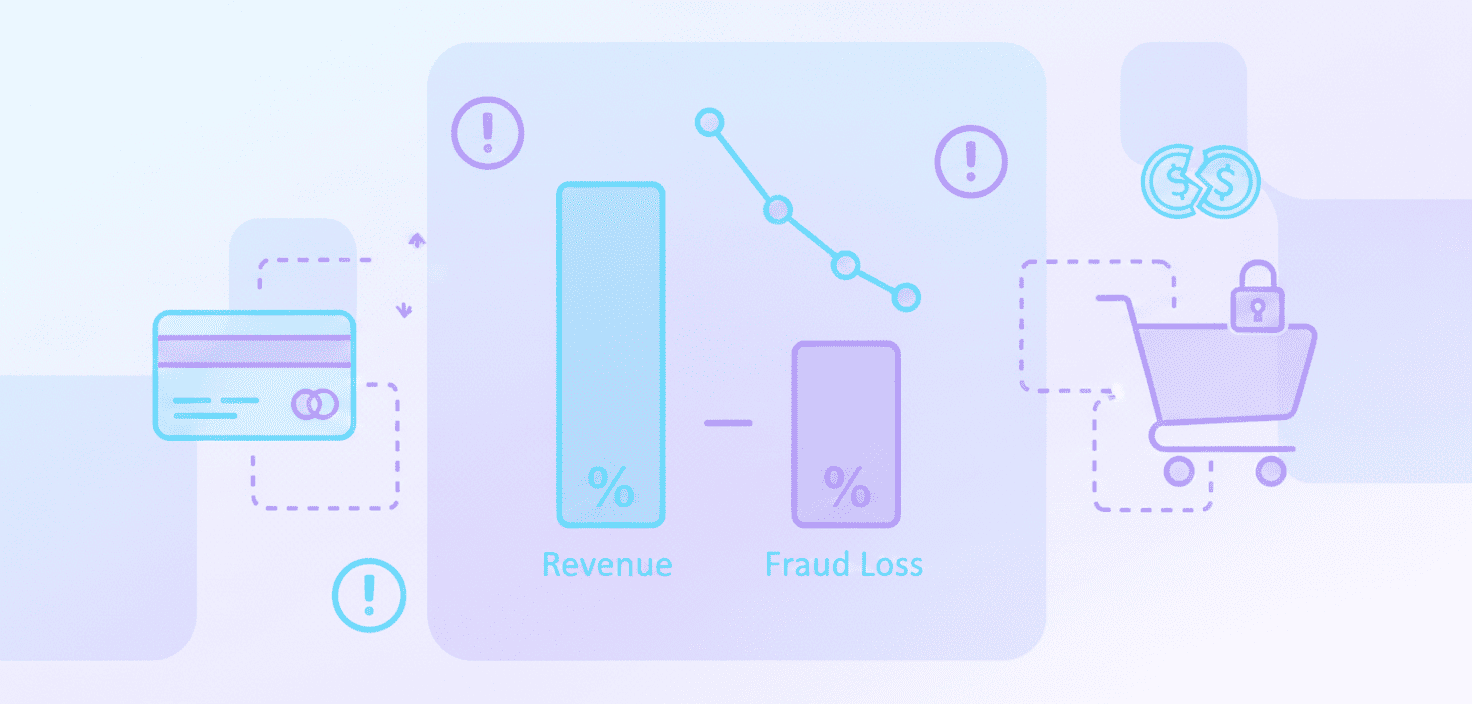
A Taxa de Perda por Fraude em SaaS é a porcentagem da receita de uma empresa SaaS que é perdida devido a atividades fraudulentas.
Esta métrica é muito importante na criação de um panorama completo das finanças e da lucratividade de uma empresa.
Perdas diretas por fraude referem-se ao valor subtraído e não incluem custos adicionais, como despesas de investigação ou danos à reputação.
Por que a Taxa de Perda por Fraude em SaaS é uma métrica significativa para empresas SaaS?
A Taxa de Perda por Fraude em SaaS é significativa porque é uma aproximação do impacto das atividades fraudulentas na receita da empresa SaaS.
Se a taxa de perda por fraude de uma empresa for alta, ela perderá uma grande quantidade de receita, sofrerá com desafios operacionais e perderá a confiança do cliente, todos fatores negativos para o seu sucesso a longo prazo.
Atividades fraudulentas também podem distorcer métricas de negócios importantes, levando a uma tomada de decisão falha, e os custos associados a transações fraudulentas muitas vezes exigem centenas de transações legítimas para serem compensados, tornando cada falso negativo extremamente caro.
Como é calculada a Taxa de Perda por Fraude em SaaS?
A Taxa de Perda por Fraude em SaaS é calculada dividindo as perdas financeiras totais resultantes de fraude pela receita total de vendas.
A fórmula é:
Taxa de Perda por Fraude = (Perdas Totais por Fraude / Receita Total de Vendas) * 100%
Se uma empresa SaaS tiver $10.000 em perdas por fraude e $1.000.000 em receita, a Taxa de Perda por Fraude seria de 1%.
As empresas SaaS devem monitorizar regularmente esta métrica, com o objetivo de a manter abaixo de 1% da receita total e de manter um baixo rácio de transações fraudulentas em relação às vendas totais, como parte de uma estratégia abrangente de prevenção de fraudes.
Quais são os principais tipos de fraude em SaaS?
As empresas SaaS estão sujeitas a vários tipos de fraude, que incluem:
- fraude de chargeback: quando um cliente contesta uma cobrança de cartão de crédito junto ao seu banco
- contas falsas e bots: criado para explorar ofertas promocionais ou testar cartões roubados.
- fraude de reembolso: ocorre quando um cliente solicita um reembolso por um serviço que não foi utilizado ou foi utilizado de forma fraudulenta
- fraude de fatura: envolve enganar uma empresa para que envie dinheiro a um criminoso.
É melhor identificar os casos de fraude precocemente e tomar medidas preventivas contra eles.
Quais são os principais desafios na minimização da Taxa de Perda por Fraude em SaaS?
Existem vários desafios na redução do efeito da fraude SaaS na receita dos negócios. Estes incluem:
- os métodos em constante mudança usados pelos fraudadores para cometer fraude
- a complexidade dos sistemas de pagamento
- a necessidade de uma resposta rápida para identificar transações fraudulentas.
Além disso, identificar adequadamente transações fraudulentas em tempo real, ao mesmo tempo em que se reduz o número de falsos positivos, é muito difícil. Equipes internas de fraude podem não ter recursos suficientes para investir em ferramentas sofisticadas ou na coleta de informações sobre ameaças potenciais.
Quais são as melhores práticas para reduzir a Taxa de Perda por Fraude em SaaS?
Aqui estão algumas das melhores práticas a considerar:
- Investir em robustos ferramentas de prevenção de fraude e realizando avaliações regulares de risco de fraude. Implemente autenticação multifator (MFA) para adicionar uma camada extra de segurança e monitoramento de comportamento do usuário para detectar anomalias.
- Utilize webhooks e alertas para notificações imediatas de atividades suspeitas. Por exemplo, use software de detecção de fraude automatizado, AVS, pontuação de fraude, códigos CVV e 3D Secure para sinalizar transações potencialmente fraudulentas.
- Revise e atualize regularmente seus prevenção de fraude estratégias para se adaptar a técnicas de fraude em evolução e manter uma baixa taxa de perda por fraude.
Como a automação pode melhorar a intervenção contra fraudes e reduzir custos em SaaS?
A gestão de fraudes em SaaS está prestes a se beneficiar significativamente de automação. A automação permite:
- a eliminação de falsos positivos
- o aumento da eficiência
- a implementação da detecção de fraudes em tempo real.
Esses sistemas também podem ser usados para aumentar a velocidade do processamento de reivindicações, reduzir o número de exceções encontradas em faturas e melhorar a eficiência da proteção contra fraudes, bem como a precisão na tomada de decisões.
Ao utilizar software de automação financeira, as empresas SaaS podem melhorar significativamente suas capacidades de detecção e intervenção de fraudes.
Conclusão
Para alcançar a segurança e estabilidade do negócio SaaS, a Taxa de Perda por Fraude SaaS deve ser devidamente contabilizada e monitorizada. Ao compreender como calcular esta taxa, identificando os tipos de fraude comuns, abordando os principais desafios e implementando as melhores práticas como automação e autenticação multifator, as empresas podem reduzir significativamente as suas perdas por fraude. Com estas abordagens, as empresas podem reduzir significativamente as suas perdas por fraude e melhorar a sua reputação de marca como parceiros de confiança. Esta não é apenas uma estratégia experimental ou defensiva, mas uma estratégia para o sucesso a longo prazo.
Pronto para começar?


 Português
  English
  Español
  Português do Brasil
  Français
  Italiano
  Deutsch
  Nederlands
  Polski
  Română
  Українська
  简体中文
简体中文  日本語
日本語  한국어
한국어