
Тенденції та інновації
Що таке SaaS безголова комерція?
Що таке SaaS безголова комерція?
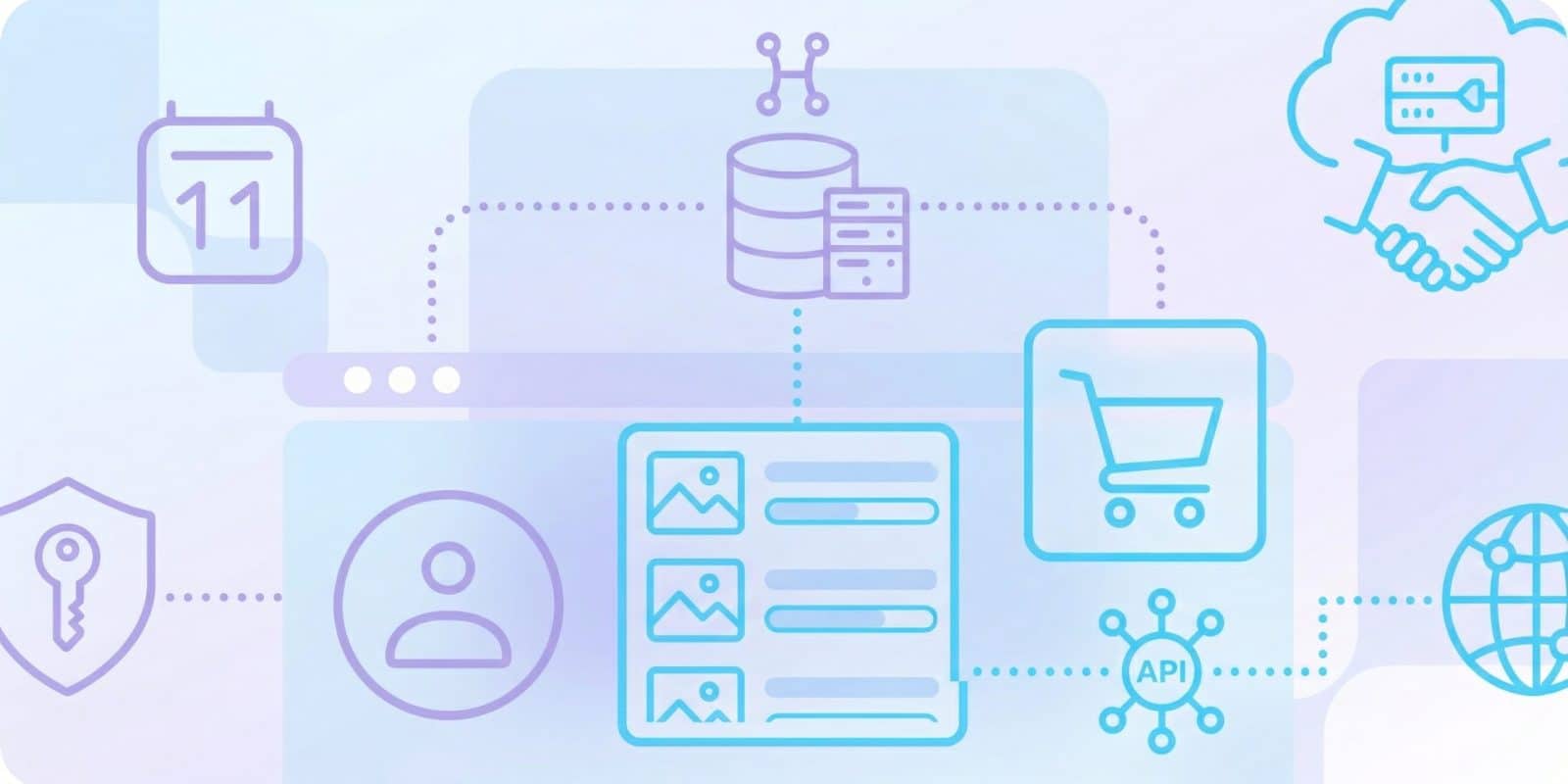
SaaS Headless Commerce є бізнес-моделлю, яка охоплює рішення для електронної комерції, що розділяють онлайн-вітрину або ‘head’ (яку зазвичай називають презентаційним шаром) від бекенду, де розміщується вся бізнес-логіка, як у бекенд-системах, де бізнес-логіка кодується для забезпечення роботи обробки замовлень, даних про продукти та управління даними клієнтів. У цій моделі SaaS-провайдер керує обслуговуванням, оновленнями та безпекою програмного забезпечення.
Ця модель також відрізняється від Маркетплейс як послуга (MaaS), що забезпечує функціонування багатопостачальницьких та багатопродавницьких середовищ, тоді як SaaS Безголова комерція зосереджена на наданні інфраструктури, орієнтованої на онлайн-бізнес, для єдиного бренду або однієї організації.
Як працює SaaS-безголова комерція?
Ця система використовує APIs (Інтерфейси прикладного програмування) для підключення фронтенд-додатків до бекенд-сервісів. Елементи представлення веб-сайту або додатка відокремлені від бекенд-процесів (що означає, що “голова” відокремлена від “тіла”), тому будь-який фронтенд, як-от веб-сайт, мобільний додаток або пристрій IoT, може отримувати бізнес-дані за допомогою спеціальних викликів API.
Це розділення може впливати на клієнтський досвід та пропонувати варіанти для налаштування.
Оновлення фронтенду обробляються окремо, при цьому бекенд-активності зберігаються в їхньому поточному стані. Експериментальні функції фронтенду можуть бути впроваджені таким чином, щоб відобразити зміни в користувацькому досвіді.
Що таке архітектура безголової комерції?
Архітектура безголової комерції SaaS відноситься до структури, в якій фронтенд-презентація (така як веб-сайти або додатки) функціонує незалежно від бекенд-систем, що обробляють функції електронної комерції та управління замовленнями.
У цьому розділеному підході API використовуються для передачі інформації між цими рівнями. Цей процес дозволяє вносити зміни до рівня представлення без безпосереднього впливу на операції бек-енду.
Впровадження безголової архітектури зазвичай передбачає ретельне планування взаємодії API та забезпечення того, щоб кожен компонент системи мав доступ до точних даних у реальному часі.
Які ключові відмінності між Headless Commerce та Традиційною комерцією?
Традиційна комерція поєднує візуальний інтерфейс та системну логіку в єдиній структурі, тоді як безголова комерція розділяє фронтенд та бекенд. Нижче наведено технічні аспекти, що висвітлюють ці відмінності:
|
Функція |
Традиційна комерція |
Безголова комерція |
|
Гнучкість |
Низька; коригування після розгортання обмежені системою. |
Кастомізація не залежить від системних обмежень |
|
масштабованість |
Обмежено інтегрованою “монолітною” структурою. |
Незалежне масштабування фронтенду та бекенду. |
|
Технології |
Визначено згідно з конкретними настановами постачальника. |
Додаткові технічні компоненти можуть бути включені до платформи. |
|
Швидкість виходу на ринок |
Операції на початковій стадії вимагають менше часу завдяки готовим шаблонам. |
Початкове налаштування вимагає більше часу, оскільки передбачає індивідуальну розробку. |
|
Обслуговування |
Розгортання для стандартних налаштувань зазвичай є простим. |
Обсяг обслуговування є більшим через роз'єднану архітектуру. |
Які переваги впровадження архітектури безголової комерції SaaS?
Архітектура headless-комерції SaaS дозволяє компаніям контролювати клієнтський досвід завдяки своїй роз'єднаній структурі. Ключові особливості включають:
- Розширена кастомізація: Зміни до функцій фронтенду можуть бути внесені незалежно від модифікацій бекенд-платформи.
- Омніканальна стратегія: Дані та результати роботи застосунків можуть бути розповсюджені через різні точки дотику, включаючи веб, мобільні та IoT-пристрої.
- Покращена продуктивність: Коли зовнішні та внутрішні системи операційно роз'єднані, це відображається в кількох метриках даних, таких як час відгуку.
- Адаптивність: Компанії можуть швидко вносити зміни у випадках, коли мінливі ринкові тенденції вимагають інтеграції сучасних технологій
- Інновації через MACH: Запроваджуючи Архітектура MACH (Мікросервіси, API-first, Хмарний, Headless), компанії можуть отримати масштабованість, гнучкість та скорочений час виходу на ринок, хоча результати залежать від організаційної готовності та обсягу впровадження.
Як ШІ можна інтегрувати у систему безголової комерції, щоб принести користь брендам?
ШІ може бути інтегрований у SaaS Headless Commerce платформи шляхом агрегування та аналізу даних про поведінку клієнтів з різних взаємодій користувачів.
Цей процес зосереджений на вивченні метрик взаємодії, врахуванні вибору продуктів та записі автоматизованих відповідей, коли це доречно. Впровадження може охоплювати динамічне ціноутворення, цільові рекомендації продуктів та дозволяють брендам надавати індивідуалізований досвід користувача.
Розгляньте такі інтеграції, як чат-боти на базі штучного інтелекту для автоматизованої обробки запитів клієнтів або інструменти для аналізу закономірностей у ринкових даних.
Які виклики пов'язані з безголовою комерцією?
Безголові комерційні рішення пропонують певну гнучкість, але компанії можуть зіткнутися з низкою технічних та операційних викликів, які їм необхідно врахувати:
- Підвищена складність: Використання окремих систем та API додає додаткові кроки у координації різних компонентів інфраструктури.
- Вищі початкові інвестиції: Початкове налаштування платформи може вимагати більшого розподілу ресурсів для індивідуальної розробки та системної інтеграції.
- Технічні ресурси: Постійне управління платформою, імовірно, вимагатиме вищого рівня технічної експертизи та фахівців з досвідом у розробці, інтеграціях та системному обслуговуванні.
Висновок
SaaS-безголова комерція — це модель, в якій хмарна вітрина та бек-енд система функціонують як окремі компоненти, а оновлення та коригування керуються в кожній області за потреби. У цій конфігурації інформація передається між системами через встановлені цифрові інтерфейси, включаючи API, і можуть використовуватися різні методи для з'єднання виходів каналів.
Організаціям, які застосовують такий підхід, можливо, доведеться переглянути вимоги, такі як постійне управління системою, врахування ресурсів на початкових етапах та технічна компетентність, необхідна для впровадження. Перехід до системи headless commerce може змінити операційні процедури порівняно з тими, що існують на інтегрованих комерційних платформах.
Готові розпочати?


 Українська
  English
  Español
  Português
  Português do Brasil
  Français
  Italiano
  Deutsch
  Nederlands
  Polski
  Română
  简体中文
简体中文  日本語
日本語  한국어
한국어