
法律与合规

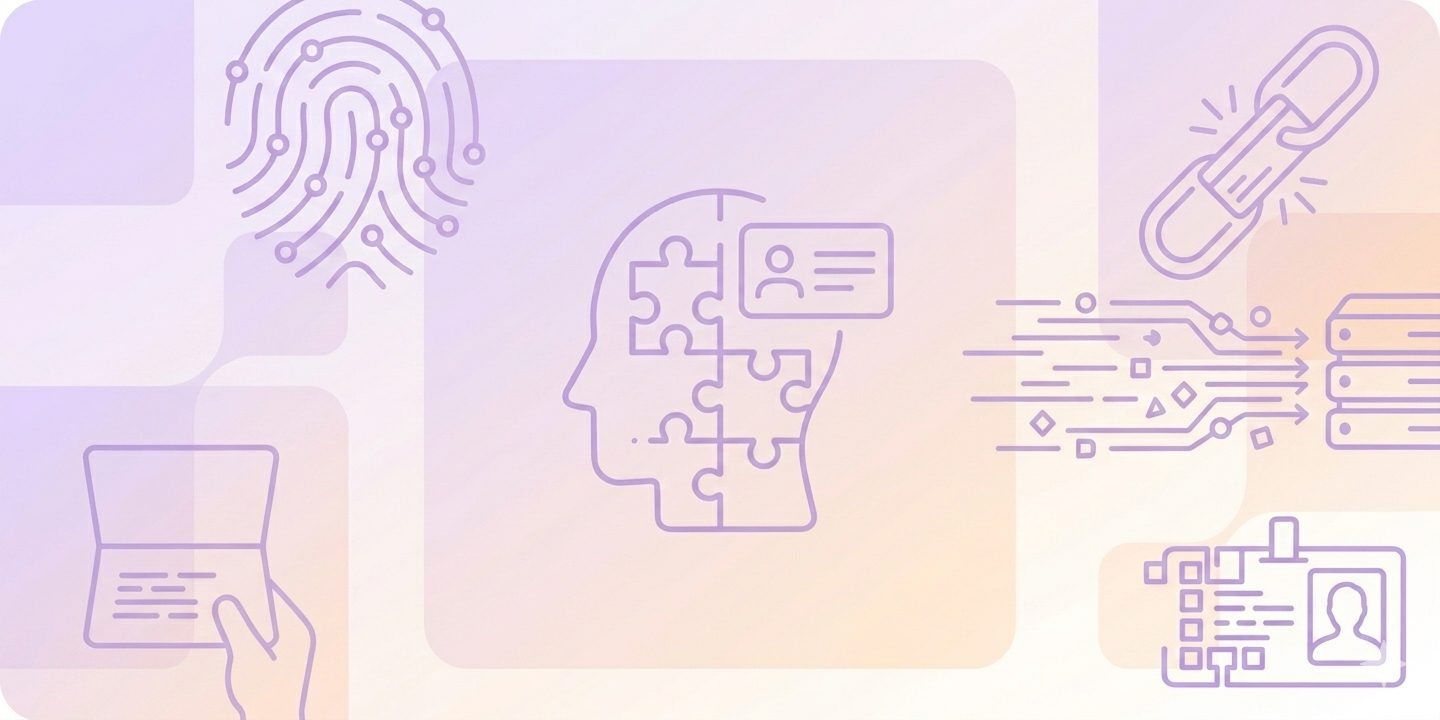
什么是合成身份欺诈?

作者: Ioana Grigorescu, 内容经理

审阅者: George Ploaie, 首席运营官 (COO)

What Is Synthetic Identity Fraud

什么是合成身份欺诈?

在构建用于欺诈的合成身份时,所用的数据可以是可验证的,也可以是不可验证的。这种不断演变的策略表明,我们需要适应性强的安全系统,以便在服务新客户的同时准确验证身份。

在这些情况下,原始个人信息中的次要部分(例如社会安全号码(SSN))可能与创建的数据组件(例如姓名、地址或出生日期)同时出现。结果可能是一个不一定与特定个人关联的新身份,这凸显了身份验证、数据安全和持续监控的重要性。


合成身份欺诈与传统身份盗窃之间有什么区别?

关键区别在于身份的形成和检测方式。传统的身份盗用,其特点是未经授权使用他人的身份,有时能更快地被发现,因为账户报表上的异常交易可能会被注意到并报告。

相比之下,合成身份案件涉及使用真实和伪造信息混合创建新身份。由于这些身份是逐渐建立的,它们可能需要更长时间才能识别,这突出了持续监控和早期身份保护的重要性,特别是对于信息可能较少被主动审查的个人,例如未成年人。

  •   传统:使用现有身份;通常更容易发现;影响清晰直接。
  •   合成: Involves building a new “persona” over time; detection may take longer; highlights the importance of proactive monitoring and early identity protection.
  •   目标: Seeking out “dormant” SSNs, as these are less likely to raise an alarm.
  •   目标: Build credit over a long period to make a large payoff at the end.

合成身份有哪些不同类型?

The formation of these fake characters can occur in two main ways: by manipulating existing identities or by manufacturing new ones.

  •   Manufactured Identities: These identities are created by combining an unassigned Social Security number (SSN), such as those generated after Social Security Administration randomization changes in 2011, or one associated with a minor, with newly created details (such as a name and address). This highlights the importance of strong identity validation processes and safeguarding personal information from an early stage.
  •   Manipulated Identities: This involves making small changes to existing personal information, such as adjusting an SSN digit or name spelling, to create what appears to be a new identity. This approach highlights the demand for precise data matching systems and continuous monitoring to detect subtle inconsistencies.

合成身份是如何创建并随着时间的推移而培养的?

Building a synthetic identity follows a gradual, step-by-step process, highlighting the importance of consistent monitoring and long-term risk awareness in financial systems.

  •   The Stitch: An identity is formed by combining a Social Security number (SSN), whether assigned (or randomized), with newly created personal details such as a name. This step emphasizes the necessity for strong identity verification at the point of application.
  •       The Soft File: The rejection of an initial credit application does not preclude the possibility of a credit record being generated. This illustrates how early-stage data can establish a footprint, reinforcing the value of tracking and reviewing new or limited credit histories.
  •     The Build-Up: Over time, the identity may be used responsibly to establish credibility and access to higher credit limits, which highlights why continuous behavior monitoring is essential.
  •   The Bust-Out: At a later stage, available credit may be fully utilized in a short period. This underscores the importance of real-time alerts, spending pattern analysis, and proactive safeguards.

如何检测合成身份欺诈?

Detection efforts can be influenced by the shared characteristics observed in synthetic identities and certain “thin-file” customer profiles, for example, those belonging to students and new borrowers. This similarity suggests a potential area for organizations to adjust their detection methods beyond traditional automated filters.

Because the data elements (such as name, address, and SSN) may not directly match an existing individual who would report discrepancies, advanced analytics, behavioral monitoring, and cross-data validation become especially valuable in strengthening fraud prevention efforts.

功能

示例

Uses AI to find patterns across accounts.

Detection systems can be adjusted to affect the rate of 误报 and the customer experience.

Can flag unusual “piggybacking” behavior.

While manual reviews can be detailed, adopting automated and scalable verification methods helps streamline processes.

Leverages Social Security database cross-referencing.

Data privacy regulations suggest utilizing secure, compliant methods that consider both verification and data management.

合成身份申请有哪些危险信号和预警迹象?

Financial institutions and consumers may observe these indicators:

  •   Multiple identities may be associated with the same SSN.
  •   A credit record that starts suddenly with a high credit score.
  •   Applications originating from the same location or IP address may exhibit randomized naming conventions.
  •   Phone numbers and emails that lack a substantial digital footprint or have a history of only a few months may be considered for enhanced risk verification.
专业提示:
  • Check if your children have a credit file before they turn 18.
  • Place a freeze on credit for family members not currently seeking loans.
  • Businesses should use the SSA’s Consent-Based Social Security Number Verification (CBSV).

结论

Synthetic identity fraud reflects the convergence of advanced identity practices and digital credit systems, suggesting possible improvements to safeguards and verification methods to promote more robust financial ecosystems. Learning how these “phantom” personas are created and nurtured can help both people and organizations protect themselves from this hidden danger. ​‍​‌‍​‍‌​‍​‌‍​‍

准备好开始了吗?

我们也曾经历过您的挑战。让我们分享18年的经验,助您实现全球梦想。
马赛克图像
zh_CN简体中文