
Customer Retention
What is SaaS Free Trial Abuse?
What is SaaS Free Trial Abuse?
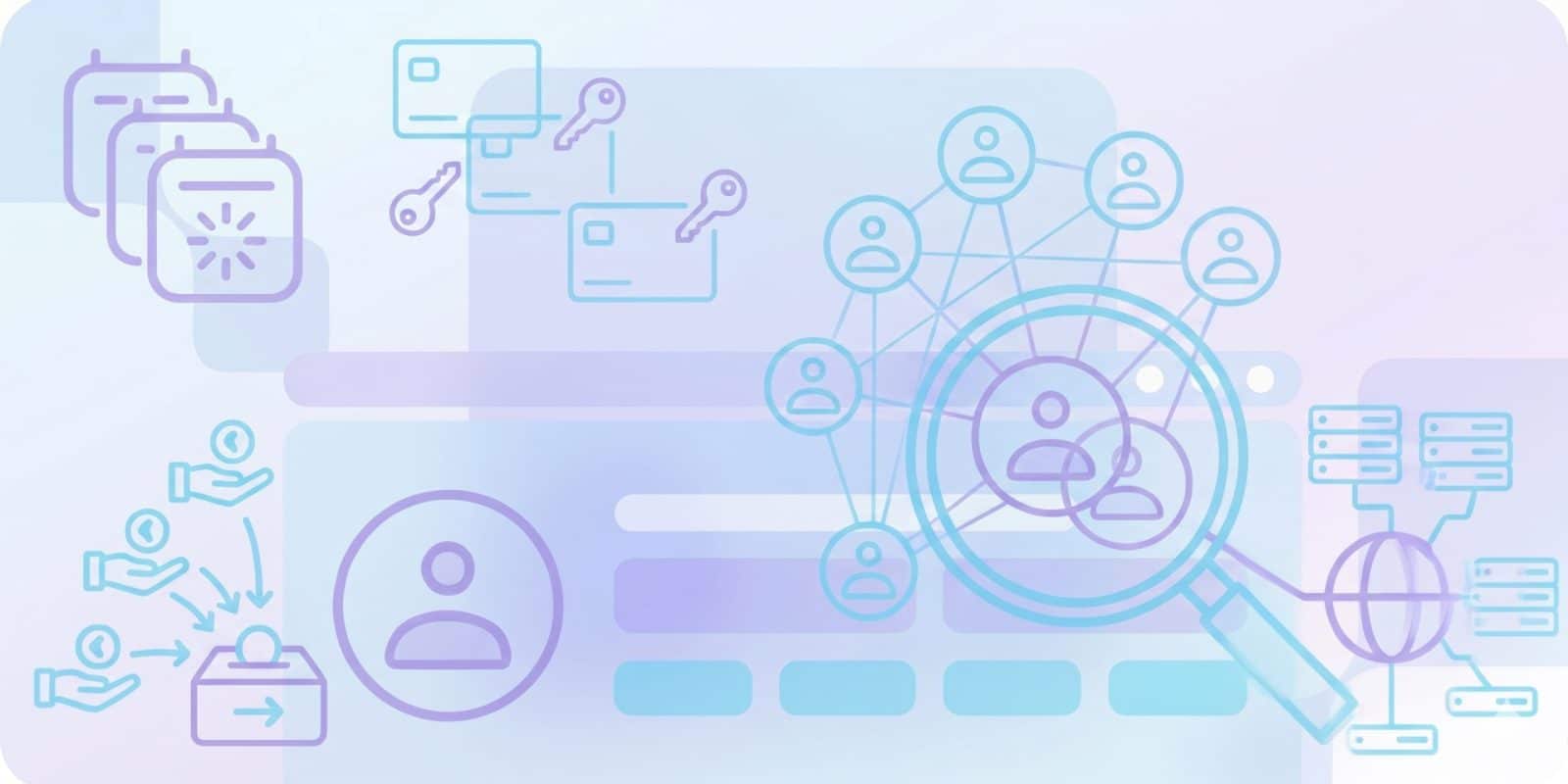
SaaS Free Trial Abuse highlights the growing importance of building resilient onboarding experiences in software-as-a-service platforms. The system shows a pattern of repeated free trial access, possibly from individual users or automated systems, avoids signup restrictions, and does not lead to paid subscriptions.
Given that free trials serve as a channel for customer acquisition and product adoption, understanding and addressing associated behaviors can influence software vendors’ conversion results, operational efficiency, and infrastructure performance.
Prevention strategies could impact a company’s growth model and are likely to change the experiences of genuine users.
What are common forms of Free Trial Abuse?
As SaaS platforms broaden access via free tiers and trials, organizations are developing approaches to monitor and manage usage.
Bypassing identity verification processes, regardless of the method, may relate to the availability of premium features without payment. Understanding these evolving behaviors may affect a SaaS provider’s ability to build trust, qualify users, and implement monetization strategies.
As a result, modern SaaS organizations are continuously advancing their defenses against a broad range of both automated and manual exploitation techniques:
- Multi-accounting: Creating multiple profiles may allow extended access to the platform.
- Temporary disposable emails may be used to navigate domain verification procedures during signup.
- Virtual credit cards: Creating one-time or temporary payment cards with a very small balance to get through financial validation.
- Bot signups, characterized by automated program usage for mass account creation, relate to cloud server resource utilization.
- AI/prompt injections relate to trial-validation forms and automated chat onboarding tools, and might result in changes in feature accessibility.
What is the impact of Free Trial Abuse on SaaS metrics?
Signup integrity management can affect the accuracy of company KPIs and influence strategic decisions. SaaS businesses that limit repeated or non-genuine account creation might observe changes in CAC efficiency, marketing spend, and the quality of analytics used to assess retention and trial-to-paid conversion.
Payment risks, operational costs, verification, and fraud prevention are interconnected elements that may affect infrastructure resource allocation and, in turn, relate to the scalability and sustainability of a growth model.
What are the signs your users are abusing the Free Trial?
The state of platform integrity and computing bandwidth may have a relationship with awareness of abuse methods. Security operations teams monitor incoming signups for behavioral and technical anomalies that may suggest potential system misuse.
- Disposable email detection may involve observing numerous signups originating from non-standard, randomized, or short-lived email domains.
- Multiple registrations or logins originating from an identical IP address or the employment of a proxy located within an equivalent subnet, occurring frequently in succession.
- Bot-like behavior may involve rapid navigation through configuration menus, near-instantaneous onboarding completion, and API calls at elevated speeds.
- The presence of empty, prepaid, or unverifiable international financial accounts is considered during payment approval and signup acceptance.
How do you prevent Free Trial Abuse?
Building a robust defense is not something that can be achieved overnight. It demands a comprehensive security solution; on one hand, developers’ convenience/difficulty should be balanced against platform accessibility on the other hand.
|
Prevention Technique |
Pros |
Cons |
|
Device Fingerprinting |
Identifies hardware configurations and detects multi-accounting across browsing sessions. |
Circumvention is possible by using advanced spoofing tools or virtual machines. |
|
Usage Limits |
It may contribute to infrastructure load and also define the maximum benefit a user can obtain without payment. |
It has the potential to affect prospects engaged in detailed assessments. |
|
Feature Gating |
Security measures influence the utilization of high-cost resources, such as advanced AI models and bulk exports. |
The visibility of premium features has a relationship to customer upgrade behavior. |
What alternatives to Free Trials reduce abuse?
Variations in product-led growth mechanics used by companies may address profitability losses linked to trial exploitation. These product-led growth strategies potentially affect prospects’ willingness to spend, while the company simultaneously attempts to limit their financial vulnerability to fraud using the following techniques:
- Interactive Guided Demos: This involves a structured product sandbox where users can explore the software environment through pre-defined steps, operating independently of live infrastructure.
- Paid Premium Trials: Selling a limited trial period, e.g., 7 days, for a low price, which is enough to stop the bots because of the imposing financial barrier.
- Money-Back Guarantees: Having customers subscribe fully first and then make a legal promise to refund if they apply within 14 or 30 days.
- Contracts: Flexible subscription models, like those without obligation, allow for payment structures that can be very granular and may not require long-term financial commitments from customers.
Conclusion
Free trial management can be associated with various metric outcomes, potentially affecting hosting costs and making considerations for payment systems. Measures such as device fingerprinting and feature limitation for authorized users can reduce unauthorized access for the company. When time is allocated to achieving equilibrium, there may be an association between user contentment involving accessible features and the company’s capacity to adopt modern fraud prevention methods, which could relate to sustained operational stability and dependable data.
Ready to get started?


 English
  Español
  Português
  Português do Brasil
  Français
  Italiano
  Deutsch
  Nederlands
  Polski
  Română
  Українська
  简体中文
简体中文  日本語
日本語  한국어
한국어