
Financial Management
What are SaaS Bookings?
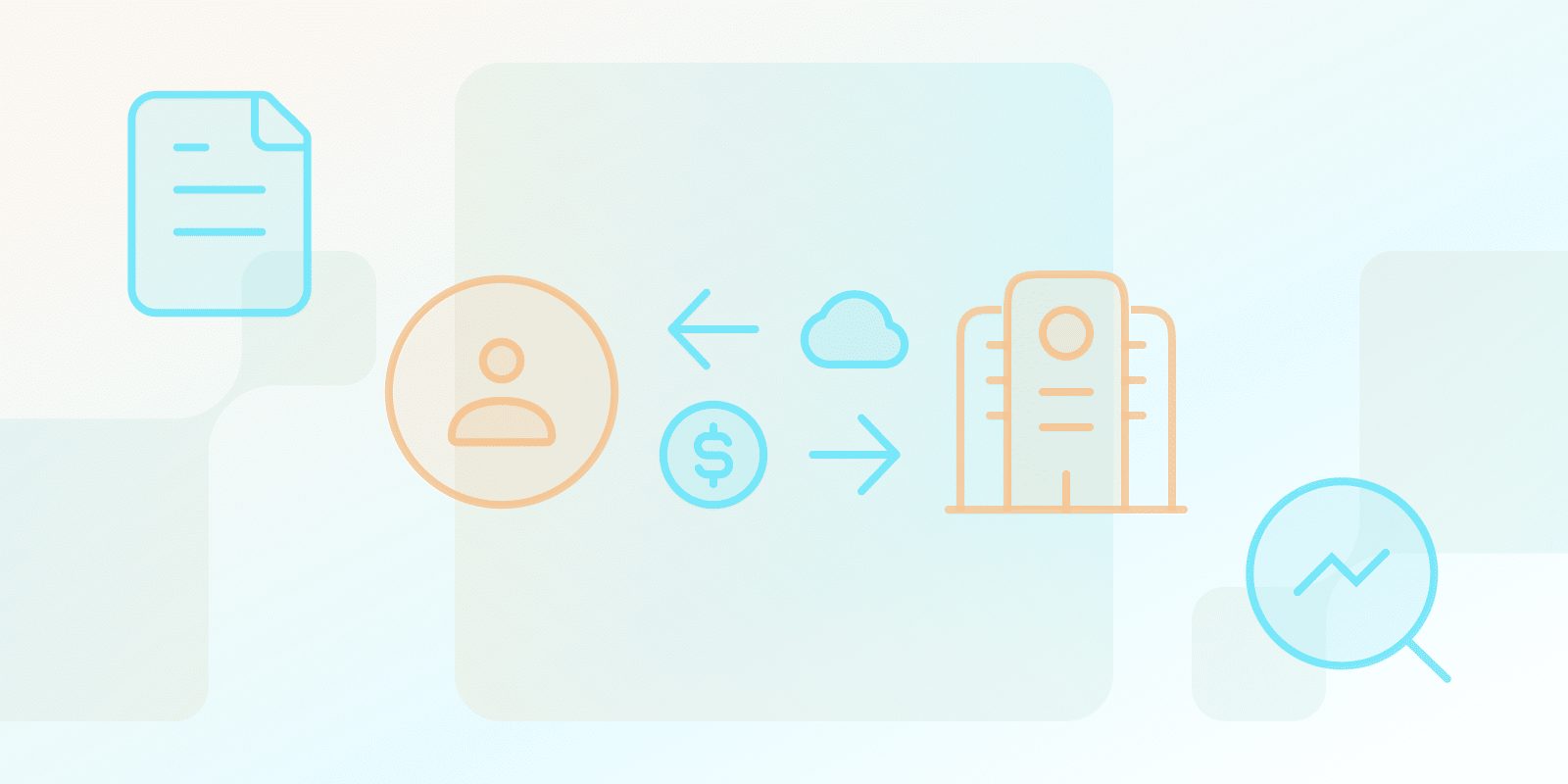
What are SaaS bookings?
SaaS bookings are customers’ commitments to buy a SaaS product or service for a predetermined amount of time, such as a year. This measure is essential for assessing sales performance and projecting future earnings since it shows the company’s potential for expansion.
Bookings can include both recurring revenue, such as subscription fees, and non-recurring revenue, such as setup fees. Bookings and recognized revenue should be distinguished because the latter is recognized as services are delivered, not when the contract is signed.
What are the key differences between SaaS bookings and traditional software sales?
The key differences between SaaS bookings and traditional software sales are their approaches to generating income, engaging customers, and providing services. Businesses must comprehend these distinctions in order to make well-informed judgments on their software sales and acquisition plans.
SaaS bookings emphasize the significance of fostering enduring client relationships through the generation of predictable income, which facilitates ongoing engagement and fosters client success.
The SaaS approach enables continual delivery of new features and upgrades, ensuring consumers always have access to the newest technology and advances.
SaaS bookings can involve a longer sales cycle due to the need to demonstrate ongoing value to clients.
A key component of SaaS companies is churn management, which calls for tactics to keep clients and reduce revenue loss.
| Feature | SaaS Bookings | Traditional Software Sales |
|---|---|---|
| Revenue Model | ||
| Income Structure | Recurring, subscription-based | One-time purchase |
| Payment Approach | Monthly/annual predictable payments | Upfront full payment |
| Customer Relationship | ||
| Client Engagement | Continuous, ongoing value delivery | Transactional, limited post-sale interaction |
| Product Updates | Continuous feature additions and upgrades | Periodic major version releases |
| Sales Cycle | Can be longer, focuses on demonstrating ongoing value | Can be shorter, product-focused |
| Business Strategy | ||
| Churn Management | Critical, requires active retention strategies | Less critical, limited impact on future revenue |
| Revenue Predictability | High, with consistent recurring income | Low, dependent on new sales |
What are the key benefits and challenges of SaaS Bookings?
For companies that provide subscription-based software services through monthly/annual plans, SaaS Bookings are an essential tool that has both benefits and drawbacks.
Pros:
- Projected Revenue: Offers an estimate of future income, providing input for decisions related to investments, expansion, and subsequent plans. Under IFRS 15, that income becomes revenue as the service is transferred to the customer (IFRS Foundation).
- User feedback: Insights gleaned from customers may shed light on their needs and preferences, informing adjustments to marketing and sales tactics.
- Cash Flow: Having upfront payments in place can help to minimize the probability of cash flow difficulties.
- Efficiency: Potential time and cost savings through automation.
Cons:
- Accurate Forecasting: To prevent cash shortages, accurate revenue forecasting is necessary.
- Churn Risk: Since high rates of customer attrition can affect sales and profitability, churn avoidance is essential.
What features should businesses look for in a SaaS Booking solution?
Here, a SaaS booking solution means booking software for appointments and reservations, not the bookings metric above. Businesses should give top priority to features that improve productivity, user experience, and integration potential when selecting a SaaS booking solution.
- Interfaces that are easy to use are essential for consumer adoption and satisfaction. The booking system should be designed for clear instructions and user-friendly workflows to facilitate making, modifying, and canceling bookings.
- SaaS businesses can leverage customizable features to modify the booking process and align it with their individual needs. This entails controlling appointment types, specifying service availability, and establishing flexible pricing guidelines.
- Data management and process optimization depend on smooth integration with other systems. The calendar, accounting, CRM, and other relevant applications should all instantly sync with bookings.
- The use of specific features in SaaS booking solutions may impact booking processes and operational expenses, with a potential influence on the level of customer happiness. This may positively impact revenue and growth, but the extent of the impact is uncertain.
Conclusion
Software firms looking to achieve long-term growth and client happiness must comprehend the intricacies and process of SaaS bookings. Understanding SaaS bookings is essential for businesses to prosper in an ever-changing environment as the software sector continues to shift toward subscription-based business models.
Ready to get started?


 English
 Español
 Português
 Português do Brasil
 Français
 Italiano
 Deutsch
 Nederlands
 Polski
 Română
 Українська
 简体中文
 日本語
 한국어