
SaaS Payments
What are SaaS Payment Methods?
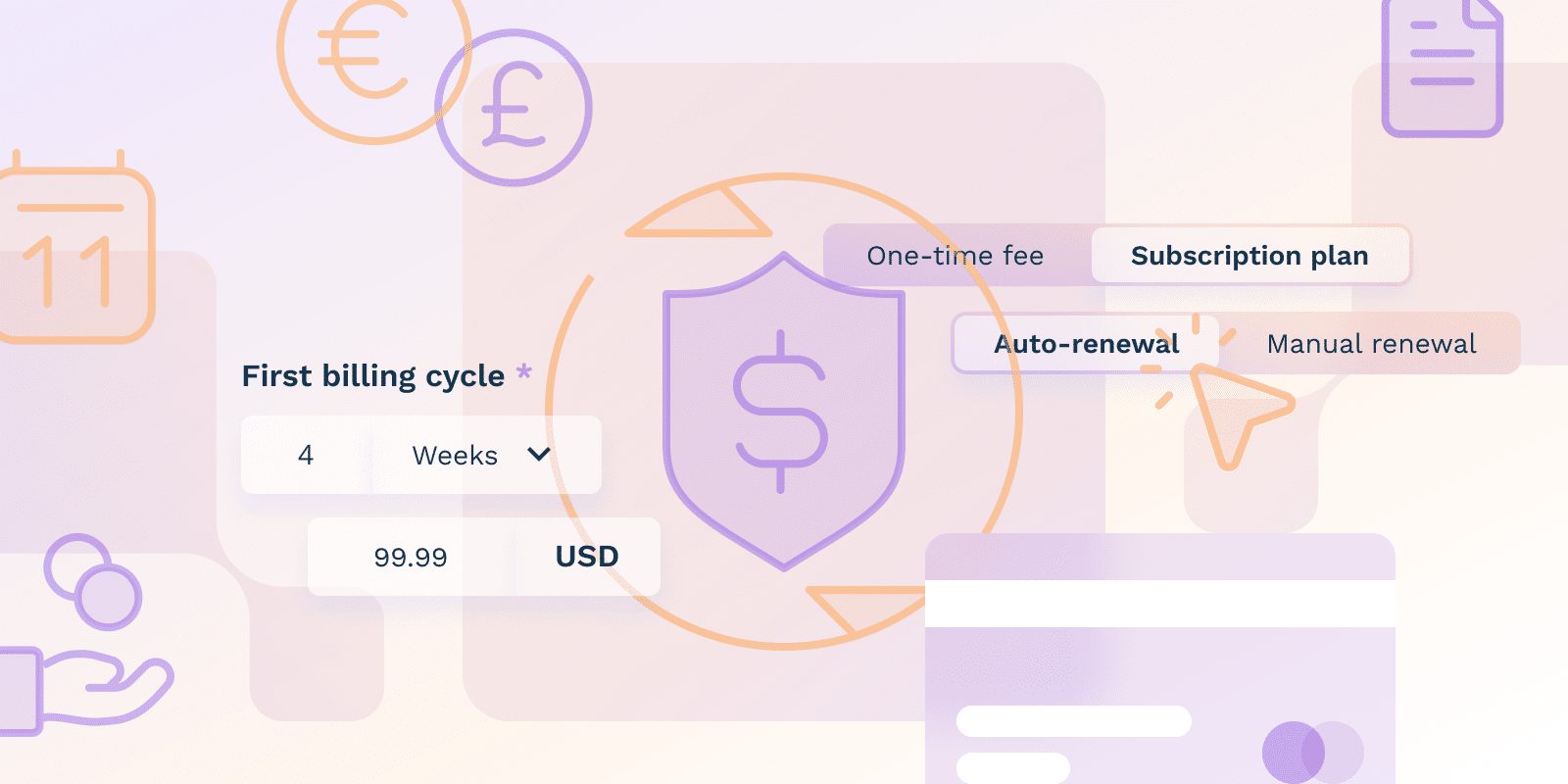
What are SaaS Payment Methods?
SaaS payment methods are how customers make payments to access SaaS and other software products. Bank debits are one: the US ACH Network handled 35.2 billion payments of all kinds in 2025, Nacha reports.
SaaS providers often offer several payment methods to accommodate the varied needs of their customers. The most common options include:
- Credit and Debit Cards: SaaS solutions frequently utilize credit cards and debit cards as preferred payment methods given their swift transaction processing and adaptability.
- ACH Payments (Automated Clearing House): ACH payment entails the use of electronic transfer of funds from the customer’s account to the provider’s account. This method is widely used for subscription services where payments are made frequently because this technique minimizes the use of human input.
- Wire Transfers: Another method of transferring funds directly from one account to another is a wire transfer. Despite providing relatively high security and reliability, these techniques are comparatively time-consuming and costly for most users and, therefore, ideal for large enterprise transactions.
- Digital Wallets: Various digital wallets like PayPal, Google Pay, and Apple Pay are commonly adopted for online payment processing, offering a range of functions for managing and processing transactions.
- Cryptocurrencies: A select number of SaaS companies have begun accepting cryptocurrencies, including Bitcoin or Ethereum, as payment, though it is still a fairly recent development. This method provides a degree of privacy and decentralization while also involving risks related to volatility.
How do recurring billing and subscriptions work in SaaS?
Recurring billing is one of the most important aspects that define the SaaS business model. In contrast to one-time payments, recurring billing requires clients to pay a monthly or annual subscription fee for the service.
- Subscription Plans: SaaS providers offer various subscription packages with additional features, ranging from basic to premium options. Consumers select the most appropriate plan depending on their needs.
- Automated Billing: Once customers make their subscription, the SaaS provider bills them automatically at a predefined frequency (monthly, quarterly, etc.).
- Payment Processing: The recurring billing system processes payments securely using the selected payment methods, such as credit card or Automated Clearing House (ACH).
- Invoice Generation: The system automatically creates and delivers invoices to customers for each billing cycle.
- Dunning Management: If the payment does not go through, the system triggers automated dunning management measures like sending reminders and retrying the payment.
What are the security considerations for SaaS payments?
Security is always a key concern when managing online payments, especially for subscription-based services. SaaS providers are expected to ensure that customer data is secure and that services meet industry standards and regulations like the Payment Card Industry Data Security Standard (PCI DSS).
Key security considerations are as follows:
- Data Encryption: Protecting confidential information at the end-user level, like credit card numbers and other bank details, while they are in use and while they are stored.
- Tokenization: Substituting sensitive data with unique tokens to reduce the exposure of sensitive data in the event of leakage.
- Secure Payment Gateways: When choosing payment options, collaborate with reliable payment gateways that provide effective security systems and fraud protection solutions.
- Two-Factor Authentication: Take security a notch higher by incorporating two-factor authentication, whereby users must provide another form of identity, such as a code sent to their phone.
How do SaaS providers handle failed payments?
Failed payments are a consistent factor in subscription-based business operations; thus, SaaS providers typically establish strategies to manage these events and adjust potential revenue shortfalls.
Here are some common approaches:
- Automated Retries: Retrying failed payments after a certain number of hours, days, weeks, or even months to allow customers to make necessary corrections to their payment options, such as having insufficient funds.
- Dunning Emails: Send reminders to customers that their payment has failed through automated emails with a guide on changing their payment details.
- Account Suspension: If payment issues continue, temporarily pause access to the service to encourage customers to fix the problem.
- Customer Support: Implement customer support channels for payment-related inquiries and challenges.
What are the emerging trends in SaaS payments?
SaaS payments are changing due to technological advancements. Some major developments to keep track of include:
- Embedded Finance: The platform may integrate various financial services such as streamlined payment management, credit access, and exploration of a range of financial products.
- Usage-Based Pricing: Transitioning from flat subscription fees to structures where customers pay for the amount of service they use.
- Mobile Payments: Adjusting the payment process for mobile devices to accommodate the rising trend of SaaS application usage on smartphones and tablets.
- Alternative Payments: Local bank debits, wallets, and other alternative payments, such as buy now, pay later payments, sit beside cards; the US ACH Network alone carried 35.2 billion payments in 2025 (Nacha).
- Artificial intelligence (AI): AI plays a role in several aspects of digital payments, including identifying and preventing fraudulent transactions, providing a variety of personalized payment methods, and streamlining the process of managing overdue payments.
Conclusion
By taking into account the different SaaS payment methods, security considerations, and emerging trends, companies can adjust their payment procedures, which may impact customer satisfaction.
Ready to get started?


 English
 Español
 Português
 Português do Brasil
 Français
 Italiano
 Deutsch
 Nederlands
 Polski
 Română
 Українська
 简体中文
 日本語
 한국어