
Video Games
What is a Pay to Win (P2W) Game?
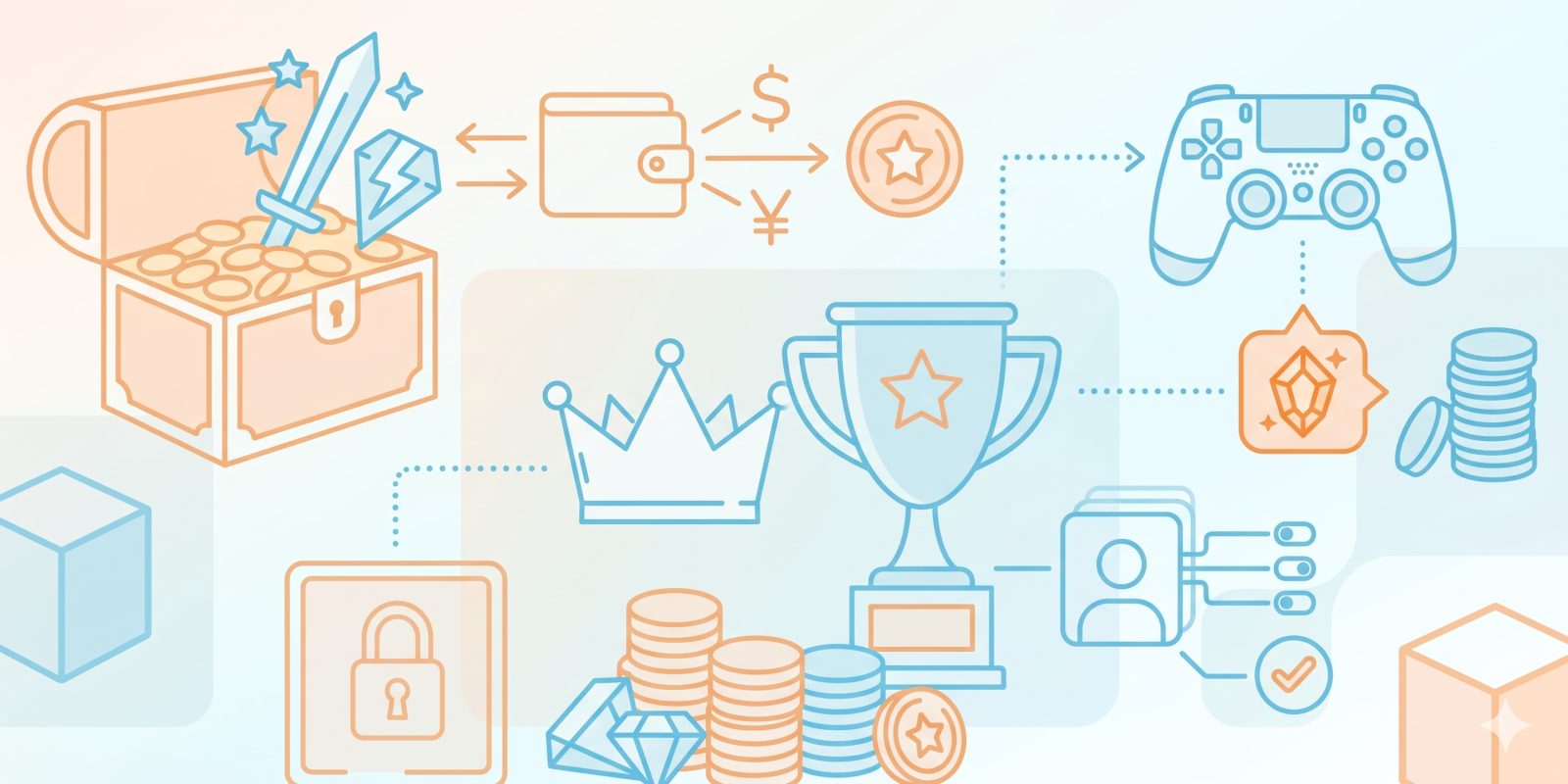
What is a Pay to Win (P2W) Game?
Pay to Win Game is a type of video game with real-money purchases that cover virtual items, along with gear or upgrades, in order to gain an advantage against non-paying players.
Recognition of this game model connects players to informed considerations regarding management of their resources, such as time and money.
What are the different P2W mechanics (Buying Direct Power, Pay-to-Skip, Premium Consumables)?
Modern games sort these systems into three groups:
- Buying Direct Power: Examples include weapons, armor sets, and stat values – items that require a longer time to get if sticking to standard play.
- Pay-to-Skip (Time Gates): Timers temporarily restrict users from the game; payments allow users to bypass time gates quickly.
- Premium Consumables: Options that maximize performance during competitive matches (e.g., temporary boosts, healing potions, high-damage ammunition) and can be repurchased.
Example: In mobile strategy games, players can purchase instant army deployments to conquer rival territories and bypass real-time timers. In massively multiplayer online games (MMOs), players can make in-game purchases to upgrade their armor beyond available choices and gain an advantage in player-versus-player (PvP) arenas.
What is the difference between P2W and pay-for-convenience / pay-for-cosmetics?
The main difference between P2W and fair monetization is the effect they have on the competitive experience of the game itself. Game design research from Utrecht University assigns non-P2W models into types that preserve competitive integrity along with alternate monetization strategies.
- Pay-for-Cosmetics: This type includes visual skins, outfits, weapon camouflages, character animations – all connected to appearance settings and visual choices only.
- Pay-for-Convenience: This involves limited adjustments, such as extra inventory space, extra character slots, or minor UI tweaks – helpful, but still unconnected from combat enhancements.
- Pay-to-Win: These directly connect with combat statistics, win rates, and leaderboards, creating different competitive conditions within sessions.
Why Do Game Developers Use P2W Mechanics?
P2W are mainly used for revenue purposes, and its implenetation is driven by the evolving economics of the Free-to-Play (F2P) business model.
If a game is free to download, many casual players enter it. However, administrative processes (such as server maintenance, content updates creation, or paying development staff) need a steady cash flow.
Developers opt for a P2W model because it brings a small part of the player base (often referred to in the industry as “whales”) that is willing to spend their resources in order to dominate in the game. Despite being a small part of the user base, this minority generates more revenue if you compare it to a traditional, one-time $60 game purchase.
How do P2W mechanics typically work in mobile, MMO, and competitive games?
P2W approaches shift according to platform and genre. They line up with patterns of spending that vary across player groups and game types.
| Genre | Common P2W Mechanism | Impact on Gameplay |
| Mobile Games | Energy systems, gacha character pulls, and time-skips. | Progress connects to timing, so players either pause or select paid options for continuation. |
| MMO Games | Gear modification packages, inventory recovery tools, and stat boosts. | High spending users relate to the frequency of appearance in late-stage PvP matches and PvE charts. |
| Competitive Shooters/Sports | Card packs such as those in Ultimate Team modes, along with stat-boosting weapons. | Matchmaking algorithms link free-access users to participants who hold superior character configurations. |
Why is P2W bad for player experience (unfair competition, grind frustration, skill becomes irrelevant)?
Several points come up when reviewing P2W elements and player interactions. While revenue-generating for studios, P2W mechanics shift the player-game dynamic by revising the basic framework of play.
The Negative Consequences of P2W
- Match Dynamics: Game sessions are connected not only to mechanical practice, map knowledge, and tactical choices, but also to the amount of money spent by the player.
- Designed Progression Gating: To encourage spending, developers may structure slower or more time-intensive gameplay loops (artificial bottlenecks) that can lead players to purchase an alternative path.
- Skill Becomes Less Relevant: When a player with less experience can match or surpass a highly practiced veteran through purchased premium gear, the perceived value of practicing and improving shifts.
Games operating under the mechanics involve a set of methods. Those methods tie to session patterns along with spending activity over time.
- Set Spending Limit: Decide on a monthly figure that users can spend – it should sit in place ahead of any launch.
- Join Casual Communities: Seek out guilds or clans focused on cooperative or casual play rather than top-tier leaderboard competition.
- Leverage Free-to-Play Giveaways: Daily login items, seasonal events, and free promotional codes can factor into currency collection that occurs through regular play cycles.
- Task Duration: Evaluate how many hours spent on repeated segments are equivalent to a purchase.
- Developer Transparency: Probabilities listed for box draws or similar systems should receive examination prior to engagement. The review must cover layers that build up depending on how systems intersect with daily play rhythms and long-term tracking.
Conclusion
Pay to Win games offer accessible, free-to-play entry points at the cost of competitive balance and organic progression speed. Although these systems primarily help developers fund their live services, the same systems affect non-paying customers. In general, understanding how P2W systems work makes developers choose titles that align with both the budget, gaming monetization and preferences.
Ready to get started?


 English
  Español
  Português
  Português do Brasil
  Français
  Italiano
  Deutsch
  Nederlands
  Polski
  Română
  Українська
  简体中文
简体中文  日本語
日本語  한국어
한국어