
Pricing Strategies
What is SaaS API Monetization?
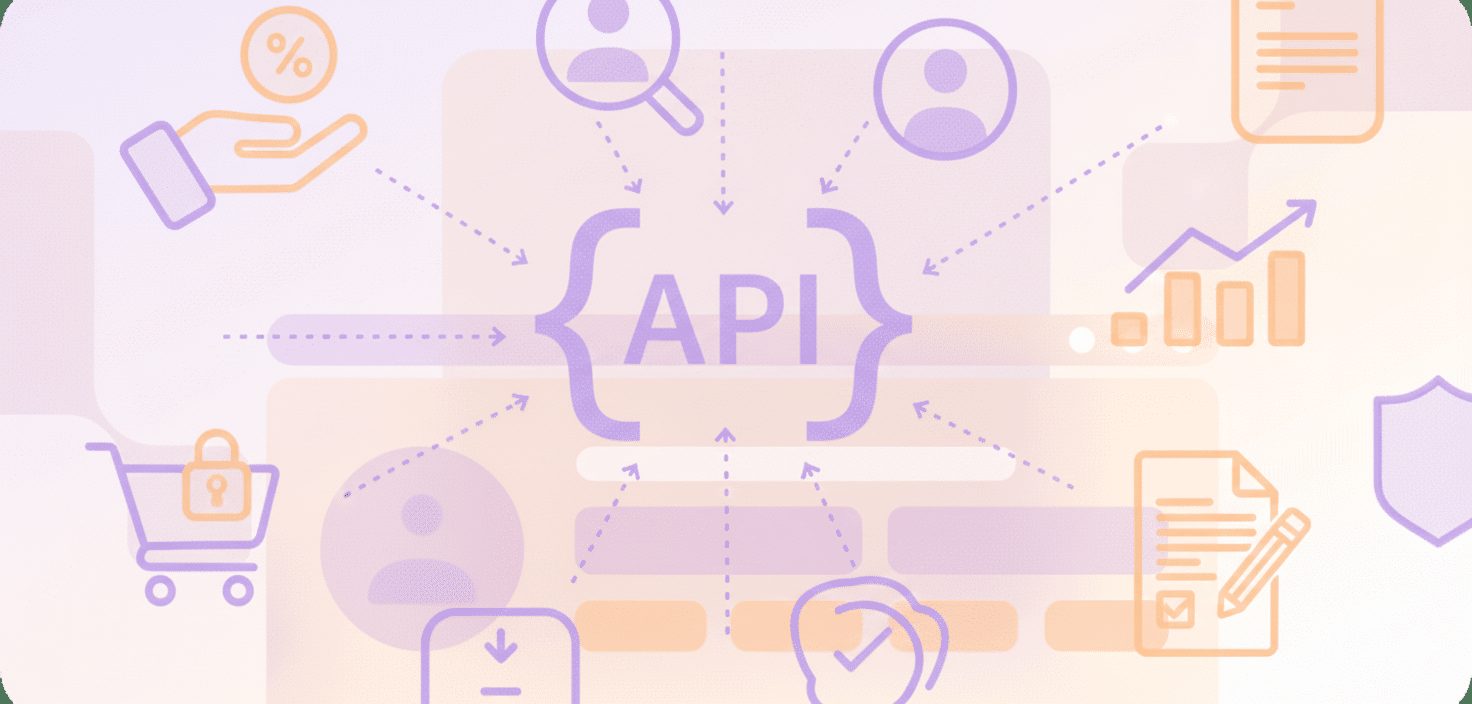
What is SaaS API Monetization?
SaaS API Monetization refers to a set of strategies and activities aimed at enabling a Software as a Service (SaaS) company to increase its revenue by providing external developers, partners, or customers with access to its products, data, or technology through its Application Programming Interfaces (APIs). Of the organizations represented in API platform Postman’s 2025 survey, 65% generate revenue from their APIs.
It primarily converts a group of technical components into a potentially marketable product.
When is the right time to monetize a SaaS API?
The introduction of an API monetization strategy requires considering several factors:
- the alignment of the API with the value proposition of the larger product or business
- the needs of the target audience
- the objectives of the business.
These factors need to be well-understood before attempting to monetize the API.
If the API consistently reduces development time for users, a tiered subscription model based on the number of API calls or features used is appropriate; otherwise, when value scales directly with consumption, usage-based pricing is suitable.
- Take into account the nature of the API, the problems it solves, and the readiness of the business to support a monetization strategy.
- Successful monetization transforms the API into a profit center rather than a cost center.
What are the common API monetization models?
Common API monetization models are:
- Pay-per-use models: refer to charging users for each API call made
- Subscription models: involve paying a fixed amount periodically for API access, either unlimited or up to a set number of calls per tier; Microsoft’s Azure API Management guide describes billing calls above a tier’s limit as overage.
- Freemium business models: provide basic functionality through an API for free to entice consumers
- Transaction-based models: a fee is charged on each transaction processed through the API
- Revenue share models: earn a commission for driving business through the API; a consumer that embeds advertising through the API, for example, can receive a share of the ad revenue, as in advertising-based revenue models
- Affiliate models: gain from referrals to third-party services
The 5,700+ developers, architects, and executives Postman surveyed for its 2025 State of the API Report put the share of organizations generating revenue from their APIs at 65%.
How can I effectively price my API to ensure profitability and customer satisfaction?
Pricing your API includes the following steps:
- Describe the unique selling point of the API and see how the customer is using it.
- Focus on creating simplicity, clarity, and predictability in the pricing model, aligning the costs, goals, and growth of the customer.
- Consider the customer’s consumption pattern of the API with the help of different pricing models to attract different customer segments.
- Meter usage per customer before launch: usage-based prices can be billed only as accurately as the calls are counted.
You can charge more for high-end endpoints or apply different pricing models based on usage volume. In addition, provide support and documentation for additional charges to cover all cases.
What are the key metrics for measuring the success of API monetization?
Key performance indicators (KPIs) for an API monetization strategy are financial, usage, and performance metrics.
The financial aspects include:
The usage and performance aspects are based on the:
- number of API requests
- customer activity level
- number of active paying subscribers
- error rate
- uptime.
To enhance profitability, focus on the:
API Usage Growth Rate
API Revenue
Failed Requests
How can I effectively improve API adoption rates?
Steps include:
- Make the onboarding process as simple as possible for users who are new to using the API.
- Ensure the availability of detailed and readily accessible documentation, in addition to software development kits supporting a range of programming languages.
- It may also be worth creating a ‘Getting Started Guide’ and a sandbox environment for risk-free testing. Think of it like offering a free demo with clear instructions; if users do not understand what they are doing or have not tried what they are going to do, they will probably not commit to it.
Monitoring competitors’ API documentation and support forums may provide insights for product development and modifications.
Conclusion
SaaS companies have the option of SaaS API monetization to make money by providing API access.
While transitioning to a monetization strategy, you need to figure out the right pricing model (like pay-per-use or subscription), understand the right ways to measure key metrics (like MRR, ARPU, churn rate, etc.), figure out the right ways to improve adoption rate (like providing SDKs, clear documentation, exhaustive integrations, etc.), and think about the right ways to monetize the APIs while improving innovation and reach in the market.
All these processes offer SaaS companies an opportunity to gain new customers while transitioning their APIs from a cost center to an income-generating channel.
Ready to get started?


 English
 Español
 Português
 Português do Brasil
 Français
 Italiano
 Deutsch
 Nederlands
 Polski
 Română
 Українська
 简体中文
 日本語
 한국어