
Legal and Compliance
What is SaaS Chargeback Fraud?
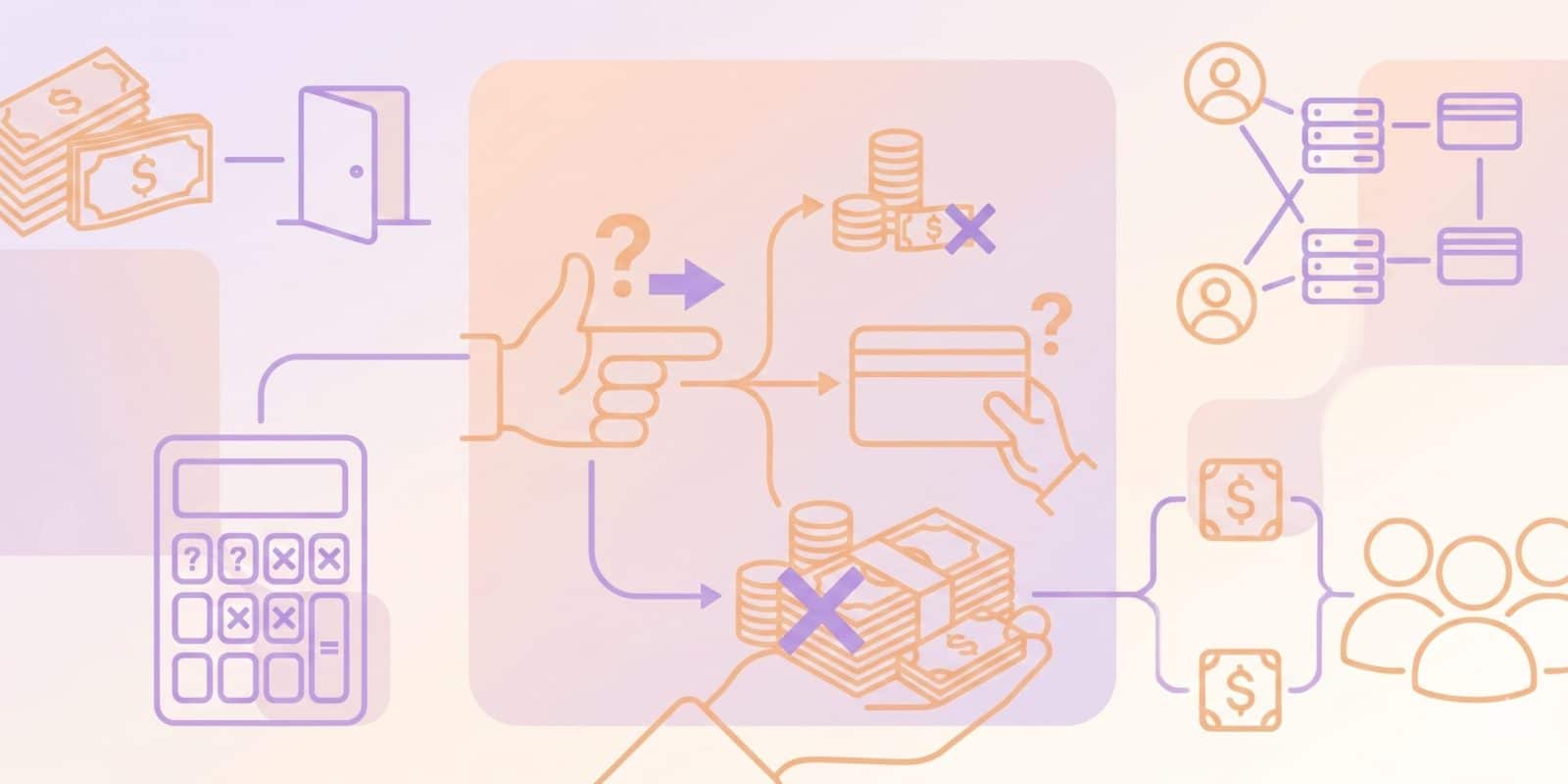
What is SaaS Chargeback Fraud?
SaaS chargeback fraud represents the situations where the card dispute process is involved in subscription software purchases. Usually, two categories come up.
- True Fraud is when payment cards are used without the cardholder’s direct involvement.
- Friendly fraud, also called a first-party billing case, is when the original purchaser files a charge dispute while still using the service.
SaaS companies associate this type of activity with configuring their products. The offering is in digital form, charges are recurring on a schedule, and in practice, the service is often used by the time any dispute is submitted.
What Makes SaaS Companies the Most Targeted and Most Vulnerable?
Subscription SaaS models show higher activity around chargeback disputes. This connects with the nature of digitally delivered products. Many factors seem to play a role here.
- No Physical Proof: SaaS sales usually occur without shipping records or proof of delivery.
- Low Friction Sign-Ups: A free trial with an easy account creation can lead to subscriptions that go unnoticed.
- Recurring Billing: A single chargeback can be performed against multiple transactions. Since it involves a risk of loss, it can affect the revenue report.
- High-Risk Verticals: This behavior is seen in various consumer application categories, including streaming, dating, and productivity.
Why Do Customers File SaaS Chargebacks?
Customers may start SaaS chargebacks in different cases; it usually depends on one of the three categories.
|
Dispute Type |
Common Triggers & Customer Intent |
|
Merchant / Billing Issues |
• Billing descriptors on bank statements that may not be immediately identifiable. • Subscriptions that are forgotten, or where a trial has been converted into a paid subscription, are automatically. • Finding the cancellation option involves a thorough search. |
|
Service / Technical Issues |
• System or billing issues. • Software performance in the reported context. |
|
Fraudulent Intent |
• True Fraud: Card transactions recorded independently of direct cardholder activity. • Friendly Fraud: Customers submitting charge disputes after service use under a first-party billing classification. |
How Can SaaS Businesses Identify Fraudulent Chargebacks?
Businesses examine various data points during chargeback reviews. The approach looks at how multiple pieces of information connect across different accounts instead of focusing on isolated items. Typical indicators that appear in these reviews include the following:
- Unusual transaction counts are recorded within set time periods.
- Verification fields that register in different categories (e.g., AVS/CVV mismatches).
- Logins and purchases are recorded from completely separate locations.
- More than one case is noted under the same customer account.
When several of these data points show up in the same file, the operations team usually schedules a standard case check.
What Are the Consequences of High SaaS Chargeback Rates?
Chargeback rates vary across subscription businesses. These rates link to operational tasks plus the financial numbers recorded over billing cycles.
Each chargeback typically runs between $288 and $371. That figure brings together the fees themselves along with associated processing work and any extra charges that may apply.
Disputes on this scale can pull staff’s attention away from other work. At the same time, they influence how cash moves through the company on a regular basis.
When rates stay elevated, processors sometimes add the account to monitoring programs. That step can lead to adjustments to available payment options or, in certain cases, to modifications to the account setup itself.
When Should a SaaS Business Fight a Chargeback?
A SaaS business can dispute a chargeback in cases where it holds records that support the validity of the transaction. Factors such as transaction amount, history of repeated claims, and overall evidence quality often shape how these situations get prioritized.
Building an effective case usually involves keeping certain records ready for review.
- Access and activity logs, covering signup times, IP addresses, device details, and records of usage.
- Account history, including any cancellation notes, support ticket transcripts, and related billing messages.
- Transaction details such as billing descriptions, receipts, and information showing the customer accepted the terms, along with the cancellation policy.
How Can SaaS Businesses Prevent SaaS Chargeback Fraud?
Preventing SaaS chargeback fraud involves multiple steps centered on communication records, screening procedures, and support handling.
- Billing Transparency: Use clear billing descriptors that customers will easily recognize on their statements. Send proactive payment reminders and detailed invoices before charging.
- Strengthen Fraud Defenses: Detection setups operate with AVS and CVV fields in place; use tokenization as one of the elements against unauthorized card use.
- Customer Experience: Provide cancellation processes that are clear and available, along with customer support to handle issues before they become bank disputes. Ensure absolute clarity around trial periods.
- Data-Driven Monitoring: Record activity according to product, plan, area, and channel. The collected data supplies reference points that connect to method adjustments across later periods.
Conclusion
SaaS chargeback fraud covers instances classified as either true fraud or friendly fraud. Subscription businesses encounter specific operational conditions tied to their service delivery. Companies review typical dispute triggers, monitor recurring patterns, and track outcomes linked to higher chargeback volumes as part of routine adjustments. Several implement more visible billing procedures, update screening steps, and examine customer interaction sequences. Such changes over time connect to revenue figures along with operating arrangements.
Ready to get started?


 English
  Español
  Português
  Português do Brasil
  Français
  Italiano
  Deutsch
  Nederlands
  Polski
  Română
  Українська
  简体中文
简体中文  日本語
日本語  한국어
한국어