
Legal and Compliance
What is Multi Entity SaaS Billing?
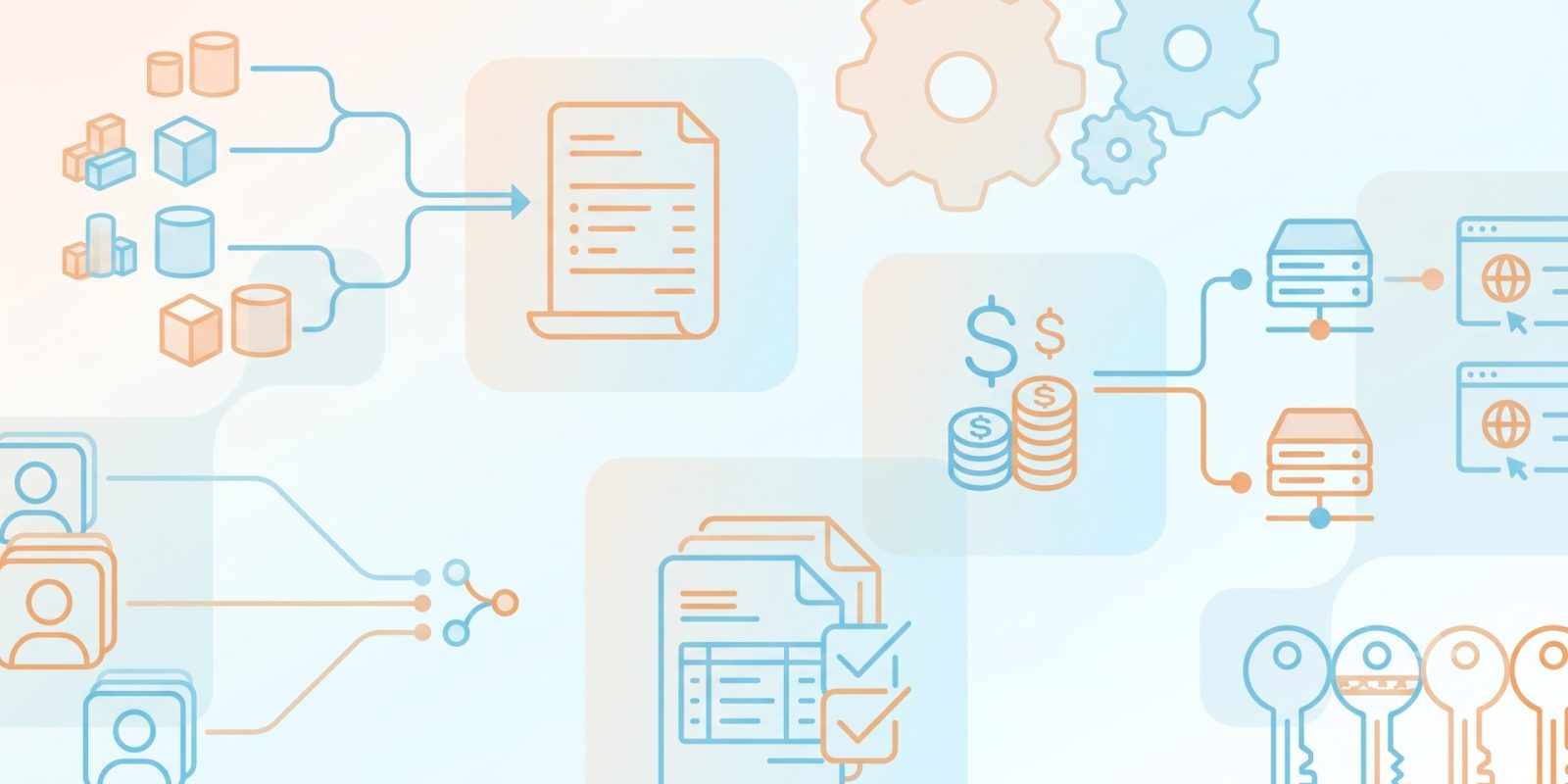
What is Multi Entity SaaS Billing?
Multi entity SaaS billing is the process of handling the flow of invoices and payments across several associated businesses (sometimes spread over different countries or organizational boundaries) within a single company’s ecosystem. The process covers key areas you’ll see over and over, for example:
- tracking revenue for each separate entity
- managing invoicing between branches or subsidiaries
- overseeing tax matters depending on location
- working with deals that span multiple currencies
- making sure systems talk to each other through ERP connections
You’ll notice entities get defined by their legal or accounting edges rather than just regions or product lines, meaning there’s more structure than a simple label can capture. Understanding the distinction between these boundaries helps organizations manage finances accurately and meet various reporting requirements, especially where company setup gets more involved.
Why Is Multi Entity Billing Essential for Scaling SaaS Businesses?
When a SaaS company grows (especially across countries), billing typically involves additional steps across products, regions, and acquired entities. Multi entity billing supplies a method to handle financial transactions that originate in various parts of an organization. In practical terms:
- Manual work linked to billing is distributed depending on each entity’s process.
- Billing irregularities are logged for review as needed.
- This method is used to follow procedures based on rules in different regions.
In its absence, teams often invest extra effort navigating taxes, currencies, and ERP system details for each area of the business. The relevance of multi entity processes becomes clearer with increasing numbers of entities and transaction types. Institutionalizing these systems may result in scheduled financial period closings and defined reporting routines in different parts of an organization.
How Does Multi Entity Billing Differ From Multi-Currency Billing?
Multi entity billing manages legal and reporting structures. Multi-currency billing manages currency denominations.
|
Multi Entity Billing |
Multi-Currency Billing |
|
|
Focus |
Legal and operational separation of businesses |
Financial denomination of transactions |
|
Handles |
Separate charts of accounts, entity-specific tax rules, intercompany transactions |
Exchange rates, invoicing in local currencies |
In short: multi entity billing is about who the legal business is; multi-currency billing is about what currency the transaction happens in.
How Does Multi Entity Billing Differ From Standard Subscription Billing?
Most standard subscription billing options are designed with a single business entity in mind, so product lines, tax profiles, and currency structures usually stay consistent. Multi entity billing, in contrast, is used when a company operates several legally distinct divisions under one organizational structure. Here are changes commonly found in multi entity setups:
- Separate invoice details that tie each transaction to an individual entity.
- Tax settings based on individual entity requirements.
- Access restricted by role or entity affiliation.
- Mechanisms to manage shared transactions between related entities.
- Financial reports that reflect details for both separate entities and the entire organization.
Standard billing is typically only used when a SaaS company organizes its operations through a single legal entity. If additional entities with distinct rules, reporting, or compliance processes are required, companies then move toward multi entity billing.
Can It Automatically Separate Invoices by Legal Entity?
Yes. On multi entity billing platforms, invoices are typically allocated to the appropriate legal entity depending on elements like customer details, contract language, or regional guidelines. Once routed, the platform applies the correct:
- Tax rules
- Currency
- Invoice numbering
- Payment methods
When a platform uses manual selection for invoice routing, this can sometimes result in finance teams needing to do additional checks later on to confirm information is organized as required.
Does It Offer a Consolidated AR Aging View Across Entities?
Yes. Multi entity billing platforms sometimes provide a way to view accounts receivable aging for multiple entities in a shared system. These platforms may show financial data as a summary across the group and offer separate information for each entity if more specifics are needed. When AR data is viewed from a single source, teams can refer to established processes without changing how they review information. If a platform does not provide this, teams often combine reports from different entities to understand payment and collection activity in the organization.
Can It Effectively Handle Usage-Based Pricing Across Entities?
With usage-based billing, many systems handle measurement, calculation, and invoicing on an entity-by-entity basis to account for the right currency and taxes. Under this structure, billing data aligns with each entity’s records, with fewer reporting adjustments required. When both usage and financial data feed into reports by entity, the reporting steps stay the same while information is grouped by business unit.
What ERP Integrations Are Crucial for Multi Entity Billing?
ERP integrations with features for subsidiaries, intercompany processes, and combined financial reports tend to support multi entity billing needs. Typical requirements include:
- Tools that keep individual entities separate
- Manage reconciliation automatically without a lot of manual updates
- Connect with systems, for example, NetSuite or Sage Intacct
Some generic APIs in the market can create a sync with financial platforms, but coverage for unique multi entity situations (like handling specific intercompany billing steps and various reporting scenarios) depends on each platform’s capabilities. For these reasons, it helps to examine what each integration offers compared to your organization’s business structure.
How Does Multi Entity Billing Streamline Revenue Recognition?
Using multi entity billing platforms creates a framework where invoices, contract details, and de are kept separately for each entity. In this setup, financial transactions and obligations appear as entries assigned to their respective organizational divisions. This sort of arrangement aligns with the requirements described in ASC 606 and IFRS 15, which explain standards for revenue recognition with different services or products. Adding billing data at the initial stage results in routine sets of information and allows review or compliance checks to follow straightforwardly, though it does not remove the need for later adjustments.
If billing steps are inconsistent early on, those details generally carry forward, so maintaining organized data up front supports the standard documentation process.
How to Choose the Right Multi Entity Billing Platform?
First up, it usually makes sense to take a close look at how a platform handles invoices for each entity, how it handles pulling together results across entities, and how it works with existing ERP systems, since these things set the groundwork. From there, dive in – check what its usage billing features look like, whether it covers standard compliance requests, and get a feel for the amount of work needed to actually roll it out.
Ideally, your list will include platforms built to handle:
- Handling multiple entities natively under the same roof.
- Managing routine intercompany steps through straightforward workflows.
- Providing consolidated AR views and revenue summaries in one spot.
- Including core usage-billing tools.
- Supporting straightforward cooperation with ERP set-ups.
- Delivering implementation windows generally considered manageable.
In practice, the kinds of features you’ll prioritize hinge on the specific size and scope of your company, your billing models, how many legal entities you have to keep tabs on, and how advanced your finance team’s processes are.
Conclusion
Multi entity SaaS billing involves organizing invoicing, revenue tracking, and compliance work across several legal entities within an organization, such as subsidiaries or business branches that operate in different regions. When companies spread their business to new locations, these platforms are used to carry out tasks like linking bills to the correct entity, collecting financial details, applying usage-based fees, and syncing with an ERP system. The primary function is often to lower the amount of manual input required and offer a framework for adhering to local requirements. SaaS providers working in multiple countries may use multi entity billing in order to consolidate financial tracking and maintain records that meet external guidelines. In day-to-day scenarios, these systems play a part in organizing accounting functions and typical operations across more involved company structures.
Ready to get started?


 English
  Español
  Português
  Português do Brasil
  Français
  Italiano
  Deutsch
  Nederlands
  Polski
  Română
  Українська
  简体中文
简体中文  日本語
日本語  한국어
한국어