
Cloud Security
What is SaaS Disaster Recovery and Business Continuity Planning (DR/BCP)?
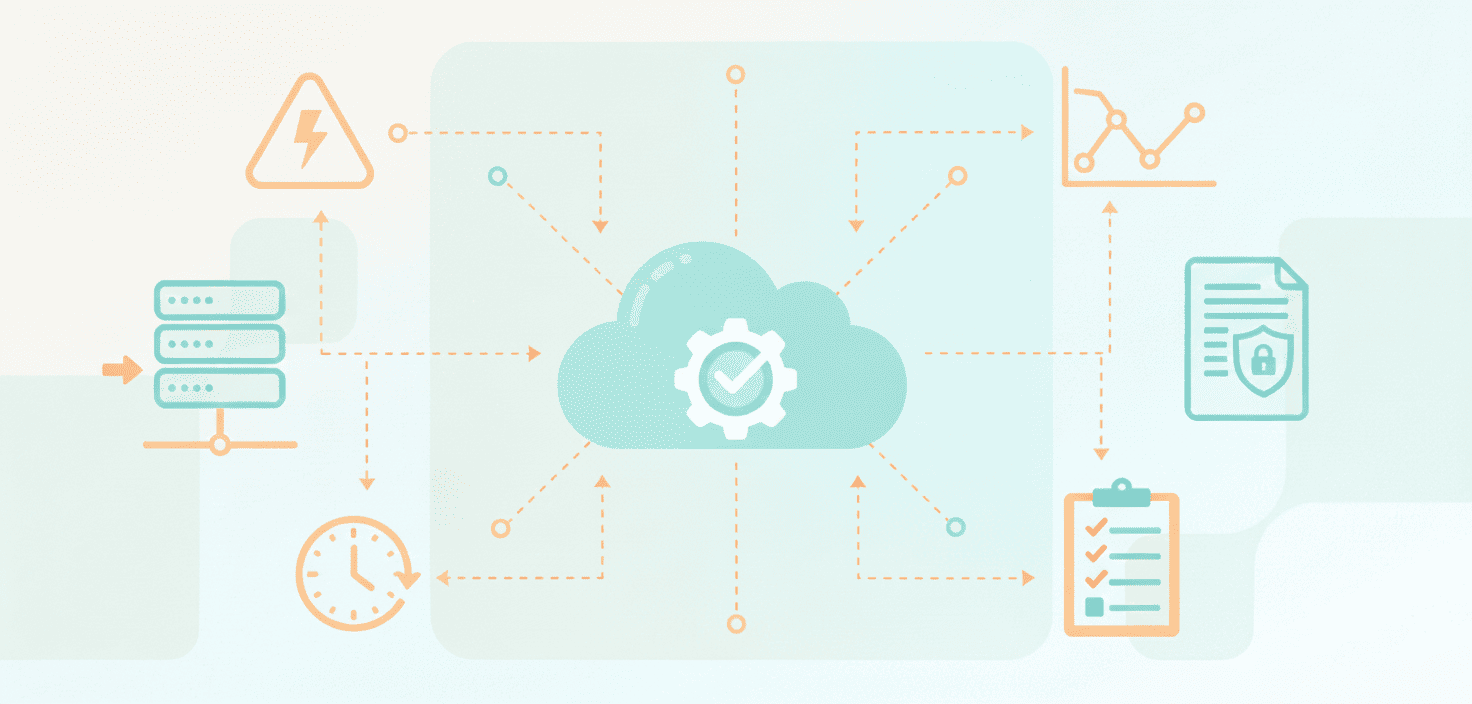
What is SaaS Disaster Recovery and Business Continuity Planning (DR/BCP)?
DR/BCP for SaaS is disaster recovery and business continuity planning that keeps a SaaS application running through a disruption and restores it afterward.
It is based on the concept of shared responsibility, where a SaaS provider is responsible for the infrastructure and uptime, and the customer is responsible for their data, their business processes, and their access to the SaaS application.
A DR/BCP approach is necessary, as SaaS applications are integrated into the core processes of a business, and losing access to them can result in unacceptable delays, loss of data, and can also lead to compliance issues. Recovery targets, RTO and RPO, are described in detail in NIST SP 800-34.
What is Business Continuity Planning (BCP) in SaaS?
SaaS Business Continuity Planning (BCP) is the process that identifies potential risks and creates procedures and processes to keep services available.
Cyber-attacks are one of the major focuses of SaaS BCP, ensuring continuous business operations, protecting customer confidence, and protecting brand reputation.
SaaS companies can be significantly exposed when functioning without a BCP in place.
What is Disaster Recovery (DR) in SaaS?
Disaster recovery (DR) in software as a service (SaaS) refers to the procedures and steps taken by a SaaS provider to restore its customers’ access to their applications and data after a major outage.
The core objective is to ensure business continuity by minimizing downtime and data loss, defined by two key metrics:
- Recovery Time Objective (RTO): The maximum time allowed for the service to be down.
- Recovery Point Objective (RPO): The point in time to which data must be recovered after an outage (NIST), which also sets the frequency of backups
To protect their products, SaaS companies can go ahead and implement several security measures, which include:
- geo-redundancy – involving the storage of data in multiple locations
- failover procedures – switching over to the backup system.
Both processes are tested through disaster recovery exercises. Additionally, a Service Level Agreement (SLA) can set out the provider’s availability and recovery commitments.
Business Continuity vs. Disaster Recovery: What's the difference?
Business Continuity (BC) and Disaster Recovery (DR) are both important for organizational resilience, but they differ in their focus.
| Concept | Focus | Reasoning |
| Business Continuity (BC) | emphasizes maintaining business operations during and after a significant disruption | is a general strategy for the operation of the business |
| Disaster Recovery (DR) | focuses on getting an organization up and running after a disaster or incident | is a specific strategy for technical recovery |
If a hurricane hits a company’s headquarters, BC would involve relocating employees to remote work locations to continue essential functions, while DR would focus on restoring data from backups and getting IT systems back online.
Why are Disaster Recovery (DR) and Business Continuity (BC) plans important for SaaS companies?
DR/BC plans are critically important for SaaS companies because they ensure service continuity in the face of unexpected disruptions. These plans are useful in winning customer confidence, reducing potential losses, and keeping user data safe.
For instance, a thorough DR/BC plan enables fast recovery, reduces the amount of lost data, and ensures compliance with industry regulations, protecting income, employee productivity, and brand reputation. SaaS companies must:
- consider business objectives
- test and adjust business continuity plans periodically
- understand the serious consequences of not having a functional DR/BC strategy in place
What are the key components of a SaaS DR/BCP plan?
A SaaS Disaster Recovery/Business Continuity Plan (DR/BCP) ensures business continuity from a technical and procedural perspective.
These aspects include:
- data backup policy
- incident response playbooks
- backup and recovery strategies
- failover systems
- risk assessments
- business impact analyses
In addition, creating clear communication channels, ensuring compliance, and using platform-specific BC/DR features is crucial for an effective DR/BCP.
Align the DR/BCP with business goals and user expectations, and improve the strategies gradually with the help of artificial intelligence.
What are the key considerations for SaaS Disaster Recovery and Business Continuity Planning?
Key considerations include:
- regular testing
- understanding customer needs
- aligning recovery goals
Other important factors in your plan should include ensuring high availability, managing SLA SLA penalties, and data portability. Compliance with industry regulations and clear communication channels will also improve effectiveness.
Add consideration for vendor lock-in to your plans and analyze the impact of each threat to your business. You should have the targets in your vendor contracts. Yale’s guideline for SaaS DR plans states that plans should include RTO and RPO targets in hours, and requests proof of annual DR plan tests.
How do automated backups support SaaS Disaster Recovery (DR) and Business Continuity (BC)?
Automated backups play an important role in SaaS DR/BC strategies. This way, SaaS companies achieve consistent data protection by scheduling regular backups without manual intervention.
In this approach, human error is less of a factor, and in case of a failure or outage, recovery proceeds from a fixed baseline in less time.
A simple solution to optimize your disaster recovery and business continuity plans is implementing automated backup processes in accordance with the 3-2-1 rule: three copies of the data, on two types of media, one kept off-site.
This can shorten downtime.
Conclusion
SaaS DR/BCP plays an important role in securing business processes and data storage in the cloud according to the shared responsibility framework of the provider and the customer. It encompasses different types of policies, among which are the backup policy, incident response plan, and policies for testing availability. The development of these policies should conform to the needs and requirements of customers, recovery objectives, and goals.
Adequate disaster recovery planning and business continuity planning help SaaS companies ensure seamless operations, build and retain their reputation, and increase competitiveness.
Ready to get started?


 English
 Español
 Português
 Português do Brasil
 Français
 Italiano
 Deutsch
 Nederlands
 Polski
 Română
 Українська
 简体中文
 日本語
 한국어