
Agile Development
What is SaaS Multitenancy?
What is SaaS multitenancy implementation?
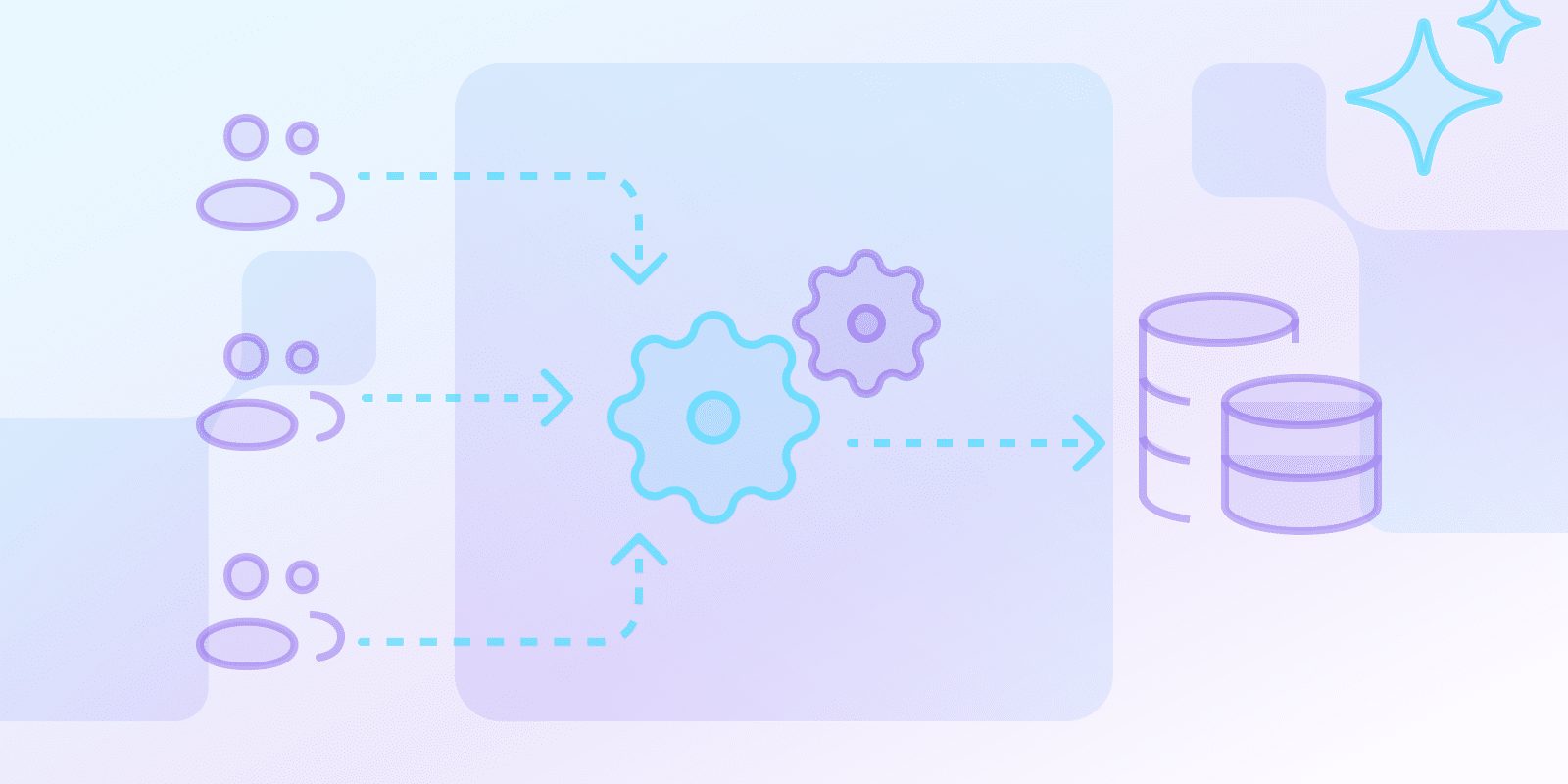
SaaS multitenancy implementation is a software architecture in which a single instance of an application serves several separate tenants. Cloud-based SaaS companies can achieve effective operation by sharing infrastructure and resources among multiple tenants while keeping each tenant’s data separate.
While multi-tenancy does not directly translate to faster system rollouts, it can contribute to increased development and deployment speed by eliminating the need for individual customer instances.
However, it’s important to understand that multitenancy comes in different models (e.g., database, application, instance) with varying levels of isolation. Implementing this feature involves complexities in ensuring data security, managing resources efficiently, and allowing tenants to customize their settings.
While multitenancy offers benefits, it also poses potential challenges such as data leaks between tenants or performance issues during peak times, underscoring the importance of meticulous infrastructure planning and security measures.
What are the benefits and challenges of a multi-tenant architecture?
The benefits of a multi-tenant architecture are lower costs, better resource use, and uniform updates; its challenges are performance, isolation, and compliance.
Advantages
- The financial impact of shared platforms and infrastructure for tenants often differs from that of maintaining separate resources, which can affect hardware and software expenditures.
- Redundancy is minimized and resources are allocated more effectively when systems are consolidated. This may improve overall resource utilization.
- When an update is made to the shared application, it is distributed to all tenants concurrently, resulting in consistency and influencing maintenance management.
Drawbacks
- Sharing resources among tenants offers cost advantages but can introduce potential risks related to performance, security, and isolation. For example, one tenant’s activity spike could impact others, and careful resource management strategies are needed to ensure fairness and prevent performance degradation.
- Offering consistent performance for tenants with varying needs can be challenging. Balancing standardization with the ability to customize the application for specific tenant requirements is an ongoing challenge.
- Compliance with regulations such as GDPR and HIPAA might require additional efforts in multi-tenant environments due to the diverse compliance requirements of various tenants.
How does designing an efficient multi-tenant database balance data isolation, scalability, performance, and security?
Data isolation, scalability, performance, and security must all be carefully balanced when designing an effective multi-tenant database. For a multi-tenant system to function successfully, each of these elements is essential.
To guarantee that each tenant’s data is separate from that of other tenants, data isolation is necessary. This approach safeguards data belonging to each tenant and restricts unauthorized access to critical information. Scalability is crucial so that the database can handle the increased load as the number of tenants grows.
To guarantee that the database can offer quick and effective access to data, performance is essential. Applications requiring real-time data access frequently necessitate this functionality.
| Aspect | Key Considerations | Implementation Strategies |
|---|---|---|
| Data Isolation | ||
| Primary Goal | Prevent unauthorized data access | Separate data for each tenant |
| Isolation Mechanisms | Logical and physical separation | Encryption, access controls, tenant-specific schemas |
| Scalability | ||
| Capacity Planning | Accommodate growing tenant numbers | Elastic resource allocation, cloud infrastructure |
| Performance Scaling | Handle increased load efficiently | Horizontal partitioning, sharding techniques |
| Security | ||
| Compliance Requirements | GDPR, HIPAA, industry standards | Role-based access control, granular permissions |
| Threat Mitigation | Prevent cross-tenant vulnerabilities | Real-time monitoring, anomaly detection |
What are the key performance and business metrics critical for SaaS companies?
Customer Acquisition Cost (CAC), Customer Lifetime Value (CLTV), Monthly Recurring Revenue (MRR), and Churn Rate are some of the crucial performance and business metrics for SaaS organizations. These metrics are crucial for business optimization and growth, and they offer a comprehensive picture of a SaaS company’s financial health.
SaaS organizations can make well-informed decisions regarding their customer service, product development, marketing, and sales strategies by tracking and evaluating these indicators.
How can I handle spikes in tenant activity and ensure data privacy in multi-tenant SaaS architectures?
To handle activity spikes and protect data privacy in multi-tenant SaaS architectures, take these measures:
- A crucial first step is to put strong tenant isolation into place. This means being certain that every tenant’s resources and data are totally separate from those of other tenants in order to avoid cross-contamination and unauthorized access.
- Create a clear, sophisticated strategy for user behavior and data access. To guarantee that various user types only have access to the information and features they require, this entails clearly defining their roles and permissions.
- Follow industry standards to ensure data privacy. This includes implementing strong encryption algorithms like AES-256 for data at rest and TLS for data in transit. Access control should be granular, utilizing role-based access control (RBAC) and attribute-based access control (ABAC) to restrict access based on user roles and attributes.
- Implement techniques to manage activity spikes. This could involve optimizing database queries to boost performance during peak hours and putting auto-scaling of resources into place to manage increased load.
- Keep an eye on and evaluate tenant behavior to spot any irregularities or possible threats. To strengthen data protection, this might involve setting in place real-time anomaly detection systems and carrying out frequent security assessments.
- Ensure your architecture incorporates robust disaster recovery and backup mechanisms. This might involve regular data backups, redundant systems, and a well-defined disaster recovery plan to ensure business continuity in case of unexpected events.
Conclusion
SaaS multitenancy is a sophisticated yet potent architecture with special advantages and difficulties. To guarantee tenant isolation, data privacy, consistent performance, scalability, and security, meticulous design and execution are necessary.
To maximize their multitenant architecture, SaaS providers must remain on the cutting edge of best practices and technology developments. SaaS providers can ensure the integrity of their architecture and deliver reliable service to clients by implementing robust security measures, optimizing resource allocation, and prioritizing tenant isolation.
Ready to get started?


 English
 Español
 Português
 Português do Brasil
 Français
 Italiano
 Deutsch
 Nederlands
 Polski
 Română
 Українська
 简体中文
 日本語
 한국어