
SaaS Payments
What is SaaS Payment Reconciliation?
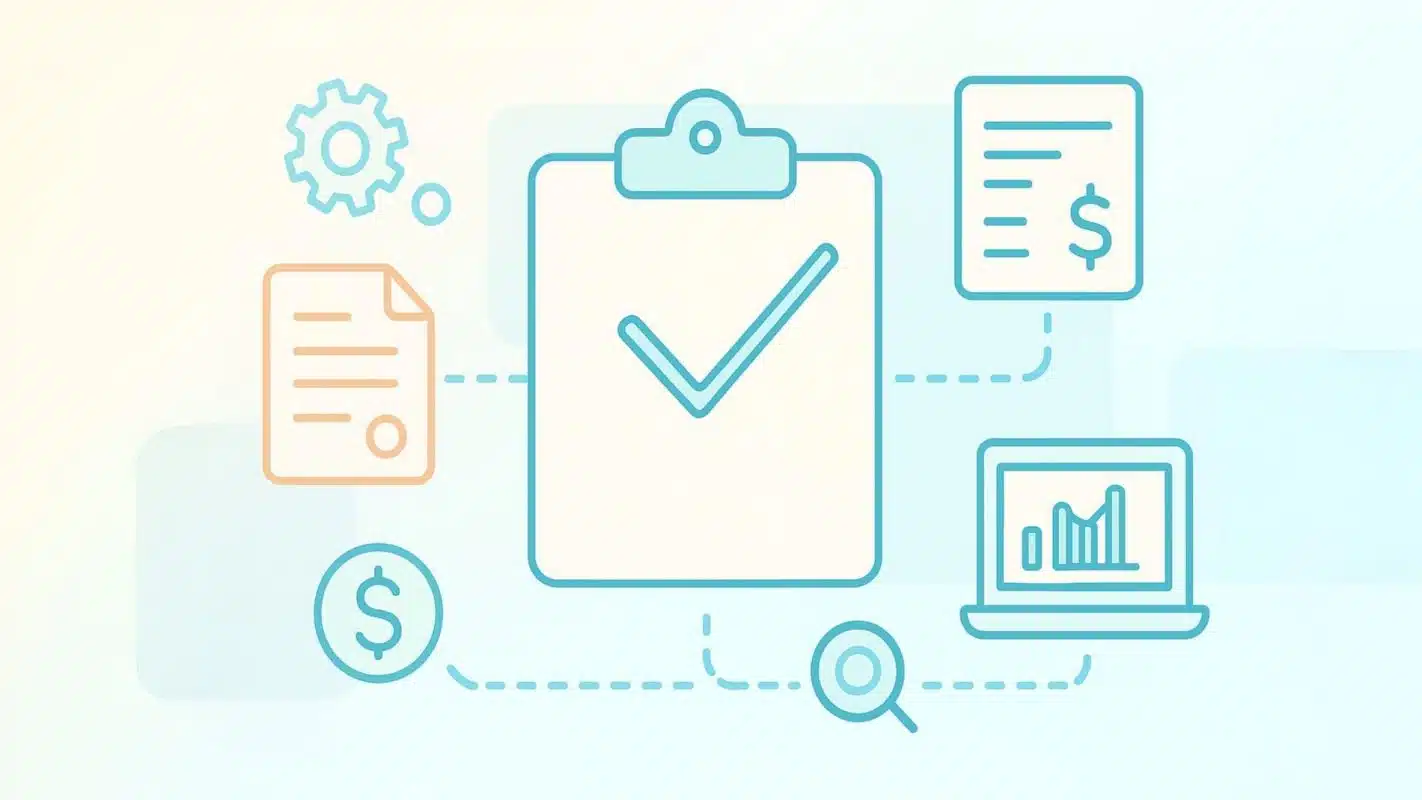
What is SaaS payment reconciliation?
SaaS payment reconciliation is the business process of matching and verifying financial transactions which have been tracked using external records to verify them. Done on a regular basis, the standards of ASC 606 (accounting standards)are followed. But this means the SaaS company is doing more than matching an invoice to a payment – it also looks at the entire revenue lifecyle of subscriptions, refunds, chargebacks, upgrades, downgrades, FX fees and taxes.
So this is not the same as account reconciliation, which is a larger process done that verifies the balances of all accounts, including assets and liabilities as well as overall equity. Payment reconciliation is part of the overall account reconciliation, which validates how accurate your revenue and cash flow data is. Bank reconciliation, is also different, and compares the cash balance in your books with the bank statement.
Is regular payment reconciliation necessary for SaaS businesses?
Regular reconciliation is absolutely necessary to the financial health of any SaaS company. Make no mistake, neglecting or delaying it can lead to serious problems.
Financial Accuracy: Gives you an idea of your cash flow and revenue data, which is required for the Profit & Loss (P&L) and Balance Sheet and other financial statements to be accurate.
Reliable Revenue Recognition: With subscription based businesses, revenue is recognized over time, and is different with a cash payment. Because of standards like ASC 606, transactional data is valid before complicated revenue schedules are applied.
Detects Errors and Fraud: Reconciliation helps avoid mistakes that are expensive -incorrect charges from payment processors, missing or fraudulent payments.
Decision-Making: WIth accurate financial details to make decisions, you can better know what to do about pricing, budgeting, hiring, and forecasting. This too, will help you avoid errors.
Why is SaaS reconciliation so complicated?
Because it is a process that is unique to SaaS businesses because of how different the recurring revenue model is.
High Transaction Volume: SaaS companies are able to process thousands of small, recurring transactions.
Complex Transaction Data: So many differences – one customer’s payment can include prorations from an upgrade, taxes calculated for their area and processing fees subtracted by the payment gateway – all of which must be properly accounted for.
Multiple Data Silos: The data you use for reconciliation is stored in different systems that don’t normally connect to each other.
These systems include:
Payment Gateway: Provides settlement reports showing what cash was deposited, net of fees.
Subscription Management Platform: Holds the details of what should have been charged based on subscription plans.
Bank Account: Shows the actual cash deposits.
Foreign Exchange (FX) and Global Taxes: With global sales, complications come from many different places such as currency conversion rates, international bank fees, and varying tax laws.
What steps are necessary in the reconciliation process?
The first step in process of reconciliation is to get data from all the sources and then begin matching them up line by line.
Gather Data: Export the transaction reports from your payment gateway, subscription platform, and bank for the specific timeframe you need (e.g., the month of July).
Match Transactions: Match the gross amount from your subscription platform to the gross amount in your payment gateway report for each transaction.
Account for Fees: Next, you match the net deposit from the gateway report (figured out by taking the gross amount minus fees) to the exact cash deposit amount in your bank statement. This step proves that your payment processing fees are correct.
Investigate Discrepancies: Here is the manual part of the work. Look into any mismatches possibly due to refunds, chargebacks, currency conversion differences, or timing delays.
Create Journal Entries: Once everything is lined up, summarize journal entries in your accounting ledger to record revenue, cash, and processing fees accurately.
Will automated reconciliation resolve these accounting challenges?
Yes, but to avoid any kind of manual work, there is thankfully a reconciliation process that is automated. This is the answer to your you have been looking for and will resolve issues with the SaaS model.
Increased Efficiency and Scalability: Automation software connects directly to your data sources via API and can pair thousands of transactions saving your finance team a lot of time.
Better Accuracy: Reduces the risk of human error from manual data entry and spreadsheet management, ensuring that financial data is correct.
Real-Time Financial Insights: Don’t wait until the end of the month when you have an automated system that gives you a darn near real-time view of your reconciled cash flow, which then allows you to see any errors sooner.
Streamlined Audit Trail: You’ll have a secure audit trail to show you how each transaction was paired and recorded, which makes compliance and financial audits so much easier. Some features to look for are: direct data integration and flexible matching rules for seamless integration with your accounting software.
How does reconciled data improve strategic decision-making?
With reliable and reconciled data, your finance team is able to be more than just record keepers.
Reliable Forecasting: When you are certain that your revenue and cash flow data is reliable, your forecasts are predictable and trustworthy.
Accurate Unit Economics: Measuring the key SaaS metrics like Customer Lifetime Value (LTV) and Customer Acquisition Cost (CAC) is easier because you know what your revenue and associated costs are (like processing fees).
Investor and Stakeholder Confidence: Presenting clean, reconciled financial statements helps investors, lenders, and your board of directors. It can also come in handy for securing funding or planning an exit.
How often should reconciliation be performed?
The cadence depends on your volume, but monthly reconciliation can be too slow for a high-transaction SaaS business.
Monthly: AccountingTools advises reconciling each bank account shortly after the end of each month. (at a minimum)
Weekly or Daily: For high-volume businesses, a more frequent reconciliation schedule (which automation can enable) is highly recommended. This allows you to monitor and fix discrepancies early before they become larger problems. A daily bank reconciliation also flags ACH debits you did not authorize.
Conclusion
SaaS payment reconciliation matches and verifies transactions to make certain your business records with external statements are accurate. By doing this consistently, reconciliation practices, including automation, ensure financial accuracy, error identification, strategic decisions, and confidence of investors.
With reconciled data, financial records go from historical tracking to a reliable basis for where decisions can be made about growth and recurring revenue management.
Ready to get started?


 English
 Español
 Português
 Português do Brasil
 Français
 Italiano
 Deutsch
 Nederlands
 Polski
 Română
 Українська
 简体中文
 日本語
 한국어