
sicurezza cloud
Che cos'è il Modello di Responsabilità Condivisa della Sicurezza Cloud?
Che cos'è il Modello di Responsabilità Condivisa della Sicurezza Cloud?
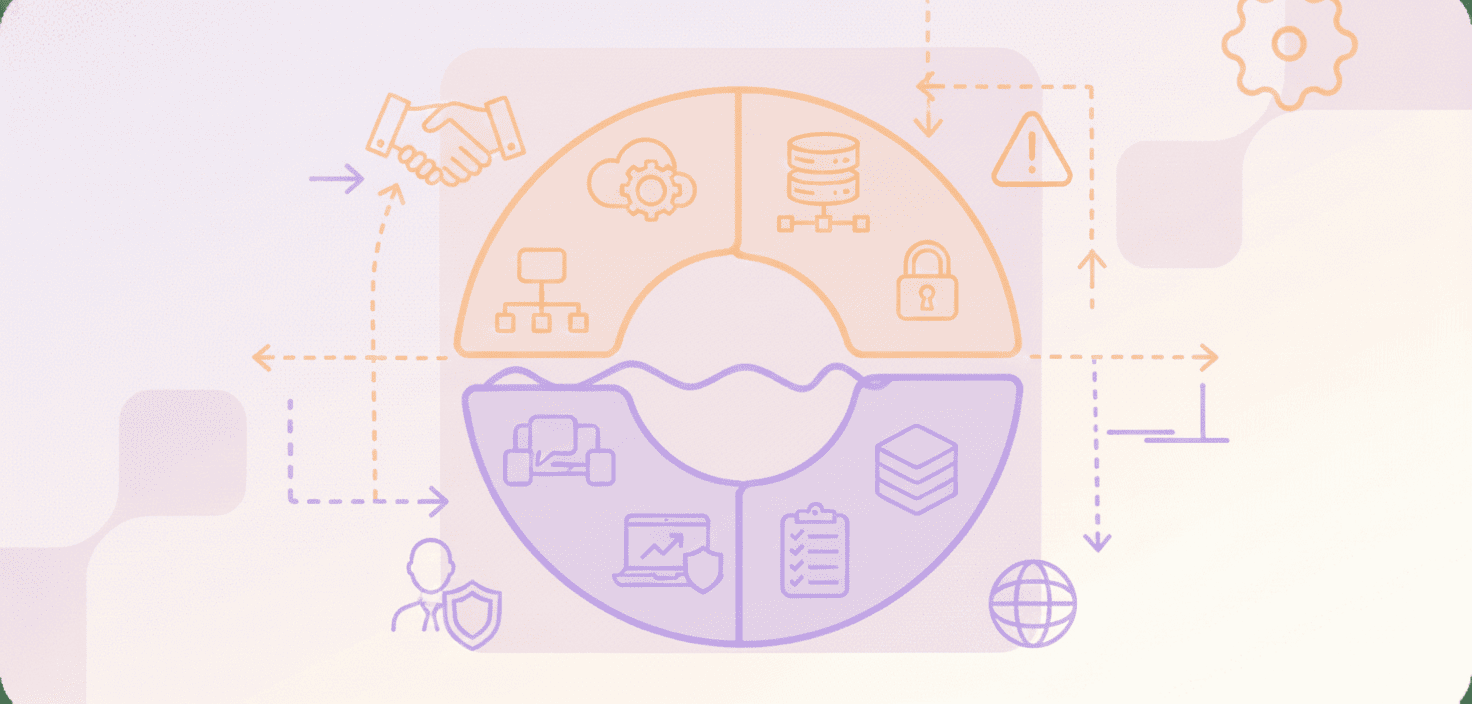
Il Modello di Responsabilità Condivisa per la Sicurezza Cloud definisce le responsabilità di sicurezza dei fornitori di servizi cloud (CSP) e dei loro clienti.
Afferma che mentre il CSP è responsabile della sicurezza del cloud, il cliente è responsabile della protezione delle applicazioni e dei dati ospitati sul cloud.
Questo modello chiarisce le responsabilità sia del CSP che del cliente e promuove un'efficace sicurezza e conformità del cloud.
Se i principi di questo modello non vengono compresi e applicati, diverse lacune di sicurezza possono accumularsi e portare a violazioni dei dati.
Che cos'è il Modello di Responsabilità Condivisa della Sicurezza Cloud?
La riprova sociale è una popolare tattica psicologica in cui le persone prendono in considerazione il feedback e le impressioni degli utenti per prendere decisioni di acquisto diverse.
Le aziende SaaS utilizzano la riprova sociale per dimostrare che i loro prodotti offrono esperienze positive e rispondono alle esigenze degli utenti.
Costruire la fiducia è fondamentale per le aziende SaaS, poiché i clienti cercano soluzioni a lungo termine piuttosto che acquisti una tantum.
Come funziona il Modello di Responsabilità Condivisa nella sicurezza cloud?
Il Modello di Responsabilità Condivisa attribuisce la responsabilità della sicurezza e della conformità al fornitore di servizi cloud (CSP) e al cliente. È il CSP a farsi carico della responsabilità per la sicurezza del cloud, che include:
- infrastruttura
- l'hardware
- il software del servizio cloud
- l'implementazione di misure di sicurezza per proteggere da minacce come attacchi DDoS e vulnerabilità nella piattaforma cloud
Al contrario, il cliente è responsabile della sicurezza nel cloud, inclusi:
- i dati
- le applicazioni
- gestione di identità e accessi
- sistemi operativi, a seconda del modello di servizio in uso.
In che modo la responsabilità per la sicurezza differisce tra IaaS, PaaS e SaaS nel Modello di Responsabilità Condivisa?
Nel Modello a Responsabilità Condivisa, la divisione dei compiti di sicurezza varia significativamente tra Infrastruttura come Servizio (IaaS), Piattaforma come Servizio (PaaS)e Software as a Service (SaaS).
|
Modello |
Responsabilità della sicurezza |
|
Infrastruttura come Servizio (IaaS) |
offre il massimo controllo, con il fornitore che gestisce l'infrastruttura e il cliente responsabile di tutto il resto |
|
Piattaforma come Servizio (PaaS) |
trasferisce parte della responsabilità al fornitore, che copre sistemi operativi e middleware, lasciando al cliente la responsabilità di applicazioni e dati |
|
Software as a Service (SaaS) |
offre il minor controllo, con il fornitore che si occupa della maggior parte degli aspetti, e il cliente responsabile dei dati di sistema e della gestione dell'accesso utente. |
Quali strumenti sono disponibili per aiutare i clienti a gestire le loro responsabilità di sicurezza cloud all'interno del Modello di Responsabilità Condivisa?
Sono disponibili numerosi strumenti per aiutare le persone a svolgere le proprie attività di sicurezza cloud, tra cui:
- soluzioni di gestione delle identità e degli accessi (IAM) per il controllo dell'accesso utente,
- scanner di vulnerabilità per trovare debolezze in applicazioni e infrastrutture
- sistemi di gestione delle informazioni e degli eventi di sicurezza (SIEM) per il rilevamento delle minacce e la risposta agli incidenti.
I fornitori di cloud offrono anche:
- Firewall
- crittografia
- Strumenti DLP per una maggiore sicurezza.
Questi strumenti devono essere configurati e utilizzati correttamente per ottenere una sicurezza cloud efficace.
In che modo il Modello di Responsabilità Condivisa influisce sulla postura di sicurezza cloud di un'organizzazione?
Il modello di responsabilità condivisa è cambiato sicurezza cloud separando le operazioni di sicurezza tra il provider cloud e il cliente. Comprendere a fondo questo concetto è essenziale per raggiungere e mantenere una posizione sicura.
Questo modello:
- minimizza il sovraccarico spostando la sicurezza dell'infrastruttura al provider
- consente alle aziende SaaS di concentrarsi sulla sicurezza dei propri dati e applicazioni
- offre ai provider cloud l'opzione di dedicare risorse e competenze di sicurezza aggiuntive
Tuttavia, il modello di responsabilità condivisa può portare a maggiore confusione e lacune di sicurezza se ruoli e responsabilità non sono compresi dalle parti coinvolte.
Inoltre, le organizzazioni SaaS potrebbero ritrovarsi a fare maggior affidamento sui processi di sicurezza dell'infrastruttura del fornitore di servizi cloud.
Monitora e adatta continuamente i tuoi controlli di sicurezza.
Conclusione
Il Modello di Responsabilità Condivisa per la Sicurezza Cloud definisce chiaramente le responsabilità dei fornitori di servizi cloud e dei clienti in termini di sicurezza cloud. Questo modello dovrebbe essere ben compreso e le debolezze nelle politiche di sicurezza dovrebbero essere eliminate attraverso il miglioramento continuo, consentendo alle organizzazioni di sentirsi sicure riguardo alla complessità della sicurezza cloud e alla protezione dei propri asset.
Pronto per iniziare?


 Italiano
  English
  Español
  Português
  Português do Brasil
  Français
  Deutsch
  Nederlands
  Polski
  Română
  Українська
  简体中文
简体中文  日本語
日本語  한국어
한국어