

Hoe SaaS Klantensucces te Meten: Een Stap-voor-Stap Gids
Om begrijpen of klanten profiteren van uw product, een SaaS organisatie zou moeten overwegen om bepaalde betrokkenheids- en financiële statistieken op te nemen in het monitoringproces. Dit is belangrijk omdat abonnementenmodellen zijn afhankelijk van Klantbehoud om winst te genereren, waardoor het cruciaal is om ervoor te zorgen dat de klant de geboden waarde van het product of de dienst gelijkwaardig acht aan de in rekening gebrachte prijs. Deze gids beschrijft de implementatie van kern- klantsuccesstatistieken, ter ondersteuning van een proactieve aanpak binnen de organisatie en de correlatie ervan met Customer Lifetime Value (LTV) en uitbreidingsomzet.

Conceptoverzicht
SaaS Successtatistieken
-

Categorie: SaaS Klantenbehoud.
-

Gebruikt door: B2B SaaS leveranciers, CSM-teams.
-

Primair doel: Churn voorspellen, expansie-inkomsten stimuleren.
-

Gerelateerde concepten: Klantgezondheidsscore, NRR, afhaakpercentage, Uitbreiding MRR, LTV:CAC.
-

Fase in SaaS-groei: Post-lancering, Opschalen, Series A/B.
Definieer Strategische Klantsucces KPI's en Methodologie
De eerste stap in het creëren van een klantsuccesstrategie is het identificeren van de belangrijkste successtatistieken voor uw SaaS-bedrijf. Dit moet gebaseerd zijn op de huidige fase van uw bedrijf en de levenscyclus van uw klanten. Gebruik een segmentatiebenadering om ervoor te zorgen dat uw inspanningen gericht zijn.
|
Klantreisfase |
Primaire doelstelling |
Belangrijkste Klantensucces KPI SaaS |
|
Primaire Onboarding |
Bereik “Aha!-moment” en Activering. |
Conversiepercentage van Proefperiode naar Betaald, Onboarding Betrokkenheidsscore. |
|
klantenbinding |
Behoud continue waardeperceptie; voorkom churn. |
Klantgezondheidsscore (CHS), Klantverloop, CSAT. |
|
Uitbreiding |
Stimuleer groei vanuit het bestaande klantenbestand. |
De beste manier om te meten klanten succes in een SaaS-bedrijf is door het creëren van prestatie-indicatoren (KPI's) afgestemd op strategische doelen:
- Als de strategie STABILITEIT (Lage Churn) de Klantverloop en het aantal Sessies per dag moet eerst in overweging worden genomen. Dit komt doordat hoge churn duidt op een falen in het leveren van continue waarde en dit moet worden opgelost voordat men zich richt op groei.
- Als de strategie PRODUCT-MARKET FIT (Vroege fase) focus op de Conversiepercentage van Proefperiode naar Betaald en Onboarding Engagement Score. Deze metrics beoordelen of de initiële productervaring voldoet aan de verwachtingen van de gebruiker en hen naar het ‘Aha! Moment’ leidt.
- Als de strategie WINSTGEVENDHEID (Groei-/Schaalfase) dan zijn de aandachtsgebieden Expansion Revenue en de LTV:CAC-ratio. Deze ratio vertelt ons of de kosten voor het behouden en laten groeien van de klant de moeite waard zijn in termen van de toekomstige inkomsten van de klant.
Gratis SaaS Customer Success Metrics Checklist
Beheers klantensucces en stimuleer nu retentie-inkomsten.
-

Stappen om uw CHS-model in te stellen
-
Formules voor LTV, NRR en Churn Rate
-
Statistieken gekoppeld aan Onboarding- en Expansiefasen
-
Risicobeheertechnieken
Stel financiële statistieken vast voor bedrijfsgezondheid
Financiële statistieken bieden waardevolle inzichten in de effectiviteit van het Customer Success-team en dienen als een benchmark voor de organisatorische prestaties.
- Klantverlooppercentage: Het aantal klanten dat een bedrijf verlaat gedurende een bepaalde periode. Het wordt berekend door het aantal vertrokken klanten te delen door het totale aantal klanten aan het begin van de periode. Bereken deze metriek maandelijks, en maak onderscheid tussen klanten die zijn overgestapt naar een concurrent, naar een freemium-model, of vanwege een bedrijfssluiting, om gedetailleerde inzichten te verkrijgen.
|
Klantverlooppercentage = (Aantal verloren klanten in de periode / Aantal klanten aan het begin van de periode) × 100 |
Als de churn hoog is, zorg er dan voor dat het retentieteam exit-enquêtes uitvoert om informatie te verzamelen over mogelijke redenen (bijv. ontbrekende functies, kwaliteit van de ondersteuning).
- Customer lifetime value (CLV): de gemiddelde winst die door een klant wordt gegenereerd gedurende de gehele periode dat zij klant zijn van dat bedrijf. Een stijgende CLV duidt op succesvolle retentie.
|
Klantlevensduurwaarde (LTV) = Gemiddelde Omzet Per Gebruikersaccount / Klantchurnpercentage |
Het verhogen van de LTV is een effectieve strategie om de winstgevendheid van een bedrijf te verbeteren, aangezien het uitgaven stimuleert voor acquisitie en retentieactiviteiten.
Bijvoorbeeld, als een bedrijf $1.700 uitgeeft aan de acquisitie en levering van een product of dienst en de LTV niet hoger is dan $2.000, lijdt het bedrijf verlies.
- Uitbreidingsomzet (MRR): Deze metriek meet extra terugkerende inkomsten verkregen van bestaande klanten via up-sells, cross-sells en add-ons.
Het bereiken van een negatieve churn (wanneer de Uitbreiding MRR is hoger dan de Churn MRR) is de ideale situatie voor een SaaS-bedrijf, aangezien het bewijst dat er zowel binnen het bedrijf als onder de klanten groei is.
Gratis SaaS Customer Success Metrics Checklist
Beheers klantensucces en stimuleer nu retentie-inkomsten.
-
Stappen om uw CHS-model in te stellen
-
Formules voor LTV, NRR en Churn Rate
-
Statistieken gekoppeld aan Onboarding- en Expansiefasen
-
Risicobeheertechnieken
Volg het Succes van Onboarding en Productadoptie
Focus op statistieken tijdens de “Primaire Onboarding” fase waarin klanten beslissen om te blijven of te vertrekken.
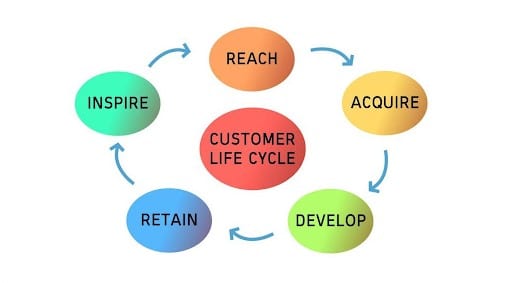
- Conversiepercentage van proef naar betaald: Meet het percentage proefgebruikers dat overgaat naar een betaald abonnement.
Als uw totale conversie het conversiepercentage is 15%, maar de analyse toont aan dat de ‘Agencies’-groep gebruikers omvat die converteren tegen 25%, dan kunt u overwegen om de marketing- en succesbronnen te herverdelen om u beter te richten op het aantrekken en bedienen van de agency-groep.
- Onboarding Engagement Score (OES) / Activatie: is de meting van het bereiken van bepaalde belangrijke stappen die leiden tot het “Aha!-moment”. Een in-app begeleidingstool, zoals Userpilot, kan worden gebruikt om een volgbare checklist te maken. Het customer success-team moet contact opnemen met gebruikers die problemen ondervinden bij het uitvoeren van een taak, bijvoorbeeld ‘Connect 3rd Party API’.
Proactief, volgbaar onboarding geleid door Success-medewerkers is effectiever dan reactieve ondersteuning. Zorg ervoor dat de onboarding-flow de unieke reis voor verschillende gebruikerssegmenten weerspiegelt.
Gratis SaaS Customer Success Metrics Checklist
Beheers klantensucces en stimuleer nu retentie-inkomsten.
-
Stappen om uw CHS-model in te stellen
-
Formules voor LTV, NRR en Churn Rate
-
Statistieken gekoppeld aan Onboarding- en Expansiefasen
-
Risicobeheertechnieken
Implementeer de Proactieve Klantgezondheidsscore (CHS)
De CHS biedt een uitgebreid perspectief op het risico of potentieel van een klant, en informeert CSM-interventie voordat problemen aanzienlijk worden.
- Creëer een gewogen scoremodel met 4-6 inputmetrics (bijv., Productgebruik 40%, NPS 10%, Supporttickets 20%, Factureringsstatus 30%).
-
- Berekening: De totale actiewaarde voor een gebruiker is (Impact Score) $\times$ (Actiefrequentie). Tel deze waarden op om de CHS te krijgen.
- Schaaldefinitie: Definieer duidelijke, actiegerichte bereiken:
- Rood (0-40, Ziek/Hoog Risico): Onmiddellijke, intensieve CSM-interventie vereist. Activeer een melding naar de CSM voor een accountoverzicht.
- Geel (41-70, Enigszins Gezond): Geautomatiseerde e-mail/in-app begeleiding gericht op bekende kennislacunes.
- Groen (71-100, Zeer Gezond): Monitoring met lage intensiteit.
- Bloeiend (100+, Gevorderde Gebruiker): Markeren voor Expansion Revenue kansen.
Een B2B-klant heeft deze maand 3 supporttickets (Rood in Support), maar het product wordt actief gebruikt (Groen in Gebruik). Hun CHS is Geel. De CSM wordt geïnformeerd over de thema's van de tickets; als alle tickets integratiegerelateerd zijn, plant de CSM een gesprek in om de integratie uit te leggen en irritatiegerelateerde churn te voorkomen.
Gratis SaaS Customer Success Metrics Checklist
Beheers klantensucces en stimuleer nu retentie-inkomsten.
-
Stappen om uw CHS-model in te stellen
-
Formules voor LTV, NRR en Churn Rate
-
Statistieken gekoppeld aan Onboarding- en Expansiefasen
-
Risicobeheertechnieken
Verzamel en handel op basis van klantervaring- en retentiemetrieken.
Deze metrics vormen de basis voor voortdurende aanpassingen en beïnvloeden de langetermijnloyaliteit en de omzetresultaten.
- Net Promoter Score (NPS): Meet sentiment en aanbevelingsbereidheid.
|
NPS = (% Promotors) – (% Criticasters) |
Na ontvangst van een score moet de CSM opvolgen op basis van de categorie:
-
- Criticasters (0-6): Oproep met hoge prioriteit binnen 24 uur om het probleem aan te pakken en klantverloop te voorkomen.
- Passieven (7-8): Bied gerichte waarde (bijv. een handleiding voor een complexe functie) om ze richting de “Promotor” categorie te stimuleren.
- Promotors (9-10): Vraag om doorverwijzingen of deelname aan een casestudy, waarbij loyaliteit wordt omgezet in mond-tot-mondreclame.
- Klantretentiekosten (CRC): Meet de financiële investering die nodig is om een klant te behouden.
Als de LTV:CRC-verhouding laag is (bijv. 2:1), dan besteedt het bedrijf te veel aan retentie in verhouding tot de gegenereerde omzet. Zoek naar kostenefficiëntie, zoals het implementeren van een selfservice-kennisbank om de supportkosten te verlagen.
- Accountuitbreiding en Contractie. Als een Contractie plaatsvindt (annulering van een add-on), moet de CSM onmiddellijk contact opnemen. Door de volledige functionaliteit van de functie te demonstreren, kan de CSM een mogelijke afname in gebruik aanpakken en onderzoeken uitbreiding opties biedt.
Conclusie
De sleutel tot het meten van klantensucces in SaaS is het definiëren en meten van klantensucces metrieken met betrekking tot omzet, accountstatus en klantervaring met gebruik van passende wegingen en formules. Deze metrieken stellen bedrijven in staat om potentiële problemen en uitbreidingsmogelijkheden te observeren.
Door regelmatig informatie te verzamelen over belangrijke SaaS klantensucces meetvariabelen zoals NRR, CHS, en afhaakpercentage, kunnen bedrijven potentiële problemen of groeikansen identificeren. Het integreren van deze klantensucces KPI's en het handelen naar de verzamelde informatie verandert in een levend document dat de omzet verhoogt, verbetert Klantbehoud, en de product- en klantervaring voortdurend geoptimaliseerd wordt.
Veelgestelde vragen
-
De belangrijkste operationele metriek is het klantverlooppercentage, aangezien dit de voornaamste taak is van het CC-team om te voorkomen dat mensen vertrekken en de redenen daarvoor weg te nemen. Dit percentage is direct afhankelijk van de effectiviteit van de retentiestrategieën en het vermogen van de organisatie om stabiel te blijven.
-
Churn Rate is een managementmetriek die de mate van klantverloop meet op basis van een bepaalde periode. NRR is een groeimetriek die het percentage inkomsten meet dat wordt behouden en gegroeid uit bestaande klanten, rekening houdend met zowel verliezen als uitbreiding/upsells.
-
Het behalen van een NRR van meer dan 100% is gunstig en zorgt voor een positieve groei in klantinkomsten. Dit houdt in dat de omzettoename van bestaande klanten (upsells) de omzetdaling compenseert die voortvloeit uit churn en downgrades (negatieve churn).
-
De CHS wordt afgeleid uit een wiskundige bewerking die verschillende klantinformatie omvat. Voorbeelden van input zijn het aantal keren dat een product wordt gebruikt, het aantal aangemaakte supporttickets en klanttevredenheid (NPS/CSAT).
-
NPS meet de klantloyaliteit en de bereidheid om een product of dienst aan te bevelen, die beide direct van invloed zijn op de groei van een bedrijf en mond-tot-mondreclame. CS-teams gebruiken feedback van 'Detractors' (score 0-6) om klachten aan te pakken en de relatie op lange termijn te verbeteren.
Klaar om te beginnen?
Wij zijn geweest waar u nu bent. Laten we onze 19 jaar ervaring delen en uw wereldwijde dromen werkelijkheid maken.



 Nederlands
  English
  Español
  Português
  Português do Brasil
  Français
  Italiano
  Deutsch
  Polski
  Română
  Українська
  简体中文
简体中文  日本語
日本語  한국어
한국어