
Pagamentos SaaS
O Que é Monitoramento de Transações SaaS?
O Que é Monitoramento de Transações SaaS?
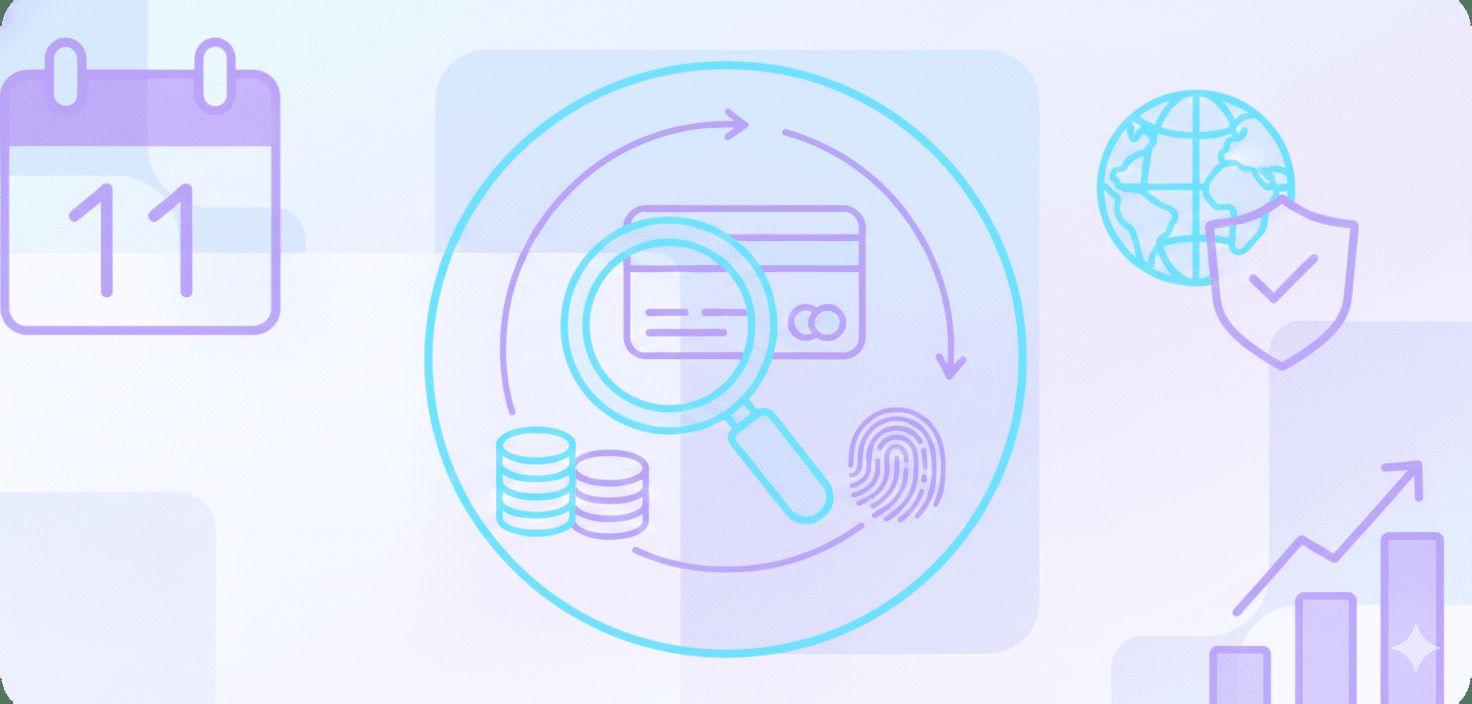
O monitoramento de transações SaaS refere-se ao processo automatizado e baseado em nuvem usado para analisar a troca de dados financeiros, com a ajuda de uma plataforma de software dedicada para prevenção de fraudes e conformidade.
O monitoramento SaaS incorpora metadados digitais e padrões de comportamento do usuário para criar um perfil de risco detalhado.
Quais tipos específicos de fraude ou crimes financeiros ele visa principalmente?
O monitoramento de transações SaaS oferece proteção contra uma série de crimes, que incluem:
- Tomada de Conta (ATO): Golpistas obtêm acesso a uma conta legítima e realizam pagamentos não autorizados.
- Teste de Cartão: Bots usando uma plataforma SaaS para “testar” a validade de milhares de números de cartão de crédito roubados através de pequenas transações recorrentes.
- Lavagem de Dinheiro: Golpistas usam assinaturas ou “serviços falsos” para ocultar e movimentar fundos ilícitos.
- Fraude de Chargeback: Clientes alegando que nunca receberam um serviço que eles realmente usaram para obter um reembolso do seu banco.
Quais são os "Indicadores-chave" ou sinais de alerta que disparam um alerta de monitoramento automatizado?
Sistemas de monitoramento de transações SaaS usam gatilhos específicos para sinalizar diferentes pagamentos.
Sistemas são programados para sinalizar desvios da “norma” usando gatilhos específicos:
- Picos de Velocidade: Um aumento repentino na frequência de transações realizadas a partir do mesmo IP.
- Incompatibilidade Geográfica: Um usuário fazendo login de Londres, mas processando um pagamento através de um proxy de jurisdição de alto risco.
- Estruturação (Smurfing): Múltiplas transações mantidas logo abaixo de um valor específico para evitar relatórios regulatórios obrigatórios.
- Reativação de Conta Inativa: Uma conta que estava inativa há muito tempo está agora processando pagamentos frequentes.
Como o processamento de dados em tempo real proporciona uma vantagem competitiva?
O processamento de dados em tempo real no monitoramento de transações SaaS oferece uma vantagem importante, que é a mitigação imediata.
Ao identificar rapidamente a fraude, uma empresa SaaS pode evitar perder dinheiro. Adicionalmente, o monitoramento de transações SaaS é sem atrito.
Qual o papel do Machine Learning na redução de "Falsos Positivos" para plataformas SaaS de alto volume?
Tecnologias de machine learning são usadas para reduzir falso positivo reivindicações. As formas pelas quais isso é alcançado incluem:
- Revisão contextual: Algoritmos são treinados para reconhecer padrões e comportamentos de clientes sem bloquear transações legítimas.
- Limiares dinâmicos: Algoritmos de ML podem ajustar os limiares considerando o histórico do usuário.
- Ciclos de feedback: Modelos de ML “aprendem” com várias decisões, reduzindo a sinalização de transações seguras.
Como o Monitoramento de Transações ajuda uma empresa a manter a conformidade com as regulamentações AML e KYC?
Conformidade com várias as normas do setor incluindo GDPR é feito por meio de vários métodos:
- Verificação de Sanções: Cada transação é verificada em relação a listas de vigilância globais (como OFAC) em tempo real.
- Trilhas de Auditoria: Gera automaticamente a documentação necessária para os Relatórios de Atividades Suspeitas (SARs).
- Pontuação de Risco: Combina KYC dados (de verificação de identidade) com o comportamento atual para atribuir um “pontuação de risco” a cada usuário, satisfazendo a “abordagem baseada em risco” exigida pelos reguladores globais.
Conclusão
O monitoramento de transações SaaS é uma parte crucial dos sistemas de prevenção de fraude e pagamentos SaaS, e as empresas precisam ter um controle firme sobre a implementação desses sistemas.
Através de um monitoramento sólido de transações SaaS, as empresas SaaS não estão apenas protegendo seus clientes de fraudadores, mas também estão reduzindo o número de falsos positivos, garantindo a reputação da marca.
Pronto para começar?


 Português do Brasil
  English
  Español
  Português
  Français
  Italiano
  Deutsch
  Nederlands
  Polski
  Română
  Українська
  简体中文
简体中文  日本語
日本語  한국어
한국어