
Estratégias de Precificação
O que é Precificação de Penetração SaaS?
O que é Precificação de Penetração SaaS?
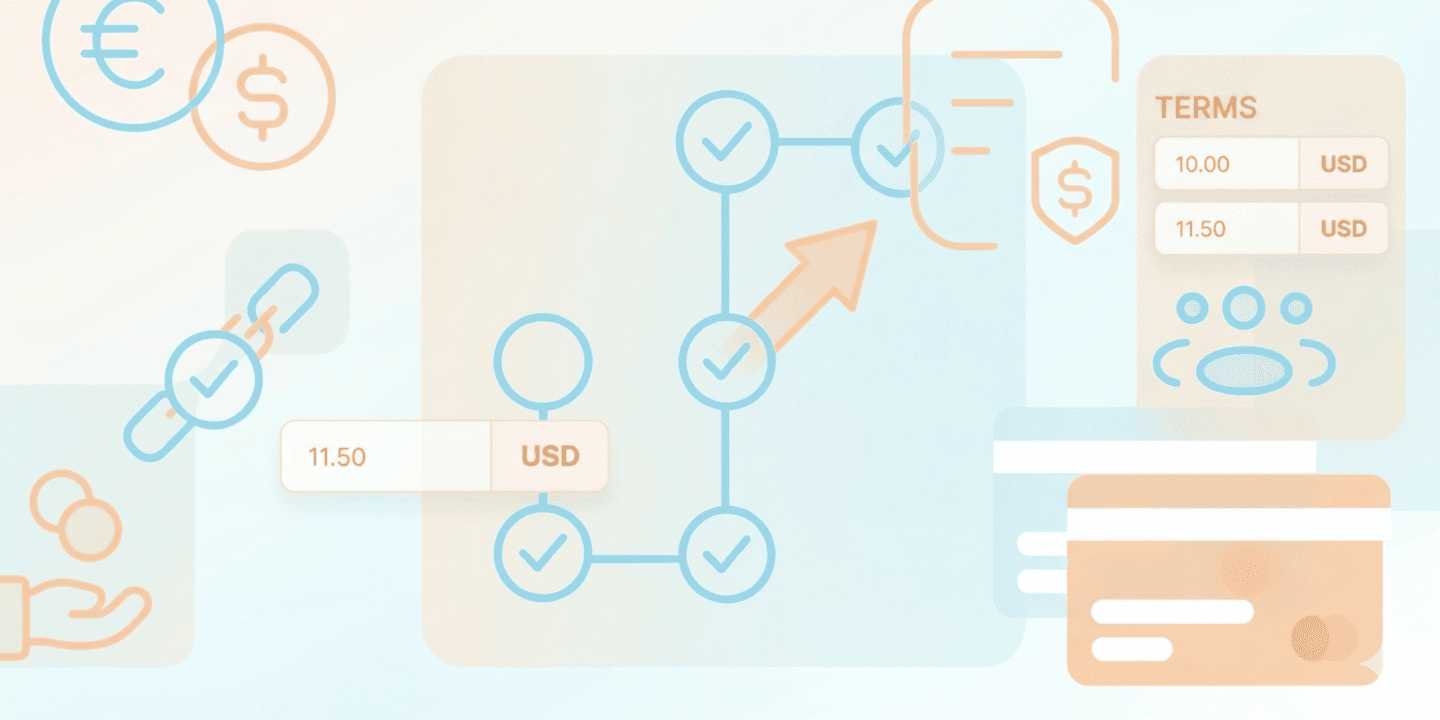
A precificação de penetração SaaS é uma estratégia empregada por uma empresa SaaS, onde um preço baixo é definido para que o produto ganhe participação de mercado.
Ao contrário de outras estratégias de precificação, que tendem a espelhar os preços dos concorrentes, a precificação de penetração visa valores consideravelmente abaixo da barreira da indústria.
O objetivo desta abordagem é conquistar early adopters e construir uma base de clientes.
A precificação de penetração SaaS é uma opção em mercados competitivos ou ao segmentar clientes sensíveis ao preço.
Como a precificação por penetração funciona para SaaS?
A precificação de penetração SaaS é uma alternativa para empresas que estão lançando seu produto.
Neste caso, empresas SaaS começam com um preço baixo para ganhar tração.
Uma vez que uma base de clientes estável tenha sido alcançada, empresas SaaS aumentarão gradualmente o preço. No entanto, para garantir que os clientes permaneçam ativos, todos os aumentos de preço são justificados através de vários recursos, melhorias de produtos ou valor oferecido de diferentes maneiras.
Antes de aumentar o preço, considere o feedback do cliente e garanta que essas atualizações sejam refletidas em seus ajustes de preço.
Quais produtos SaaS mais se beneficiam da precificação de penetração?
Precificação por penetração é uma opção adequada para produtos que fazem parte destas categorias:
- Ferramentas Colaborativas (Efeitos de Rede): As ferramentas se tornam mais úteis à medida que mais usuários as utilizam. Uma barreira de preço baixa se torna um ímã.
- Infraestrutura de Retenção: São ERPs, CRMs ou sistemas de faturamento. Uma vez integrados, esses sistemas são mais difíceis de mudar. Um baixo preço de entrada “fixa” o cliente, tornando o valor vitalício (LTV) muito maior do que o custo inicial.
- Serviços Comoditizados: Estes são representados por armazenamento ou e-mail marketing básico. Para o aplicativo funcionar, você precisa de uma grande base de clientes, e a precificação de penetração pode ajudar nisso.
- SaaS de Marketplace: Estes exigem tanto usuários quanto compradores, com a necessidade de uma grande base de clientes.
A precificação de penetração é uma alternativa para o seu produto, desde que possa ser efetivamente transicionada para a precificação SaaS padrão.
Como atrair clientes de forma eficaz usando a precificação de penetração SaaS?
Ao implementar a precificação de penetração SaaS, você precisa primeiro considerar qual é o valor central do seu produto. O preço precisa refletir isso.
Além disso, é importante oferecer aos clientes estratégias de precificação flexíveis, incluindo:
- Modelo baseado em uso
- Preços em Camadas
Depois de implementar sua estratégia de precificação, certifique-se de coletar feedback e, com base nele, realizar os ajustes necessários no seu modelo de cobrança.
Seu objetivo principal é alcançar uma alta taxa de aquisição e retenção de clientes.
Como determinar o preço de penetração SaaS ideal?
Para encontrar o ponto de precificação onde você conquista o mercado sem desvalorizar sua marca, siga estes quatro passos:
- Identifique Sua Proporção LTV/CAC
Seu preço de penetração deve ser alto o suficiente para cobrir eventualmente seu Custo de Aquisição de Cliente (CAC), mas baixo o suficiente para maximizar Valor do tempo de vida do cliente (LTV) através da retenção. Um benchmark comum é manter uma proporção de 3:1 LTV para CAC ao longo do tempo.
- Analise o “Custo de Troca.”
Avalie o quão difícil é para um cliente sair.
- Alto Custo de Troca: Você pode precificar significativamente mais baixo (mesmo com prejuízo) porque, uma vez integrados, é improvável que eles saiam quando você aumentar os preços mais tarde.
- Baixo Custo de Troca: Não precifique muito baixo, ou você atrairá “caçadores de preços” que cancelam no momento em que o desconto termina.
- Preço Abaixo da “Alternativa”
Observe o preço do seu concorrente mais próximo e o custo do “status quo”. Defina seu preço 20% a 50% mais baixo do que o líder de mercado para provocar uma mudança “irrecusável” para o cliente.
- Defina um Claro “Caminho de Valor”
Nunca ofereça apenas um “preço baixo.” Ofereça um Preço Introdutório com uma data de expiração clara (ex: “50% de desconto nos primeiros 12 meses”). Isso fixa o verdadeiro valor do produto na mente do cliente para que ele não se choque com o eventual aumento de preço.
Quais são os prós e contras da precificação por penetração para SaaS?
A precificação de penetração para SaaS é uma alternativa popular para empresas que entram em mercados competitivos ou lançam novos produtos. No entanto, pode apresentar desafios específicos.
Prós:
- Aquisição rápida de clientes e crescimento da participação de mercado
- Melhorar a autoridade da marca
- Disrupção de concorrentes
Desvantagens:
- Taxas de churn potencialmente altas ao aumentar os preços
- Risco de atração clientes sensíveis a preços
Comunicar as mudanças de preço é a chave para uma transição tranquila.
Como posso fazer a transição da precificação de penetração para a precificação SaaS padrão de forma eficaz?
O processo de transição do preço de penetração para o preço SaaS regular precisa ser feito com atenção. Aqui está um processo passo a passo que você pode seguir para que isso aconteça:
- Defina seus alvos de aquisição para monitorar o crescimento.
- Acompanhe seu métricas de retenção para identificar riscos de churn.
- Elabore um plano para ajustes de preço, considerando tanto o cronograma quanto a estratégia de comunicação.
- Explique o novo preço aos usuários, conscientize-os sobre o valor que receberão e especifique claramente as melhorias realizadas.
Uma grande parte da retenção de clientes ao fazer a transição para o padrão Preços de SaaS depende de como você comunica o aumento de preço por meio de ganhos.
Conclusão
A precificação de penetração de SaaS é uma estratégia de precificação que pode ser uma alternativa para produtos lançados em indústrias competitivas.
Embora possa atingir seus objetivos, que incluem a construção de uma grande base de clientes ou o reconhecimento da marca, a comunicação é crucial na precificação de penetração. Ao migrar para modelos de monetização padrão, seus clientes precisam entender o porquê. Caso contrário, eles podem cancelar.
Pronto para começar?


 Português do Brasil
  English
  Español
  Português
  Français
  Italiano
  Deutsch
  Nederlands
  Polski
  Română
  Українська
  简体中文
简体中文  日本語
日本語  한국어
한국어