

Como Implementar a Precificação de Custo Mais Lucro no Seu Negócio SaaS
Para implementar a precificação custo mais margem em uma empresa SaaS, você precisa de uma estratégia clara e eficiente para o cálculo dos custos e, em seguida, adicionar uma margem de lucro com base nos seus objetivos. Isso é importante para garantir que o preço cubra as despesas e gere lucro, refletindo a condição financeira do negócio.
Este guia apresenta o processo de criação e aplicação do modelo de precificação custo mais margem, que pode ser relevante para definir um preço para o seu produto.
Calcule e Categorize os Custos Totais do Seu Produto SaaS
O primeiro passo é criar uma lista dos custos associados ao fornecimento do seu software para usuários individuais ou unidades em um período de tempo específico (por exemplo, mensal ou anual). Esta é a base para o precificação custo mais margem de SaaS estratégia.
Em seguida, inspecione cada atividade do seu SaaS produto para identificar e quantificar cada despesa. Aloque os custos para estas categorias:
|
Categoria de custo |
Descrição & Exemplos (Contexto SaaS) |
Método de Alocação de Custos |
|
Custos Diretos (COGS) |
Despesas diretamente ligadas à provisão do produto/usuário. |
Divida o custo total pelo número de usuários ou transações. |
|
Hospedagem & Infraestrutura: Taxas de AWS/Azure/GCP, serviços de banco de dados, CDN. |
||
|
Mão de Obra Direta: Salários para Suporte ao Cliente L1/L2, DevOps para manutenção. |
||
|
APIs/Licenças de Terceiros: Custo de ferramentas externas necessárias para a função principal do produto (por exemplo, taxas de processamento de pagamentos, custos de gateway de SMS). |
||
|
Custos de Desenvolvimento Amortizados |
Despesas de capital iniciais distribuídas ao longo da vida útil esperada do produto. |
Divida o custo total de P&D pelos meses de usuário esperados ao longo de 3-5 anos (por exemplo, 36 meses). |
|
Salários de P&D: Salários de desenvolvedores, gerentes de produto e designers. |
||
|
Custos Indiretos (Custos Fixos) |
Custos necessários que não variam com o volume de produção. |
Alocar uma parcela proporcional (por exemplo, com base no número de funcionários ou percentual de receita) ao produto/unidade específico(a). |
|
Salários Administrativos: RH, Finanças, equipe Executiva. |
||
|
Aluguel de Escritório, Contas de Consumo, Seguro. |
||
|
Custos Variáveis |
Custos que variam com o volume de uso ou vendas. |
Rastrear e calcular diretamente por unidade ou transação. |
|
Comissões de Vendas. |
||
|
Marketing e Custos de Aquisição de Clientes (CAC): Embora por vezes apresentado como um custo fixo indireto, o custo de aquisição de cliente deve ser levado em consideração no custo unitário, pois determina a lucratividade. |
“CloudBoost” determina seus custos mensais por usuário da seguinte forma:
- Custos Diretos: As despesas imediatas como Hospedagem, Suporte ao Cliente e Taxas de Pagamento totalizam US$35,00.
- Custos de Desenvolvimento Amortizados: Eles pegaram o custo inicial de US$ 1 milhão em P&D e o distribuíram por 3 anos, projetando um total de 5.000 usuários. Isso adiciona uma média de US$ 11,11 por usuário, por mês.
- Despesas Gerais Alocadas: que não estão diretamente ligadas ao produto, como Aluguel e Salários Administrativos, adicionando US$ 8,89.
Somando todos esses custos, o Custo Total por Usuário/Mês (TC) para o CloudBoost é de US$ 55,00
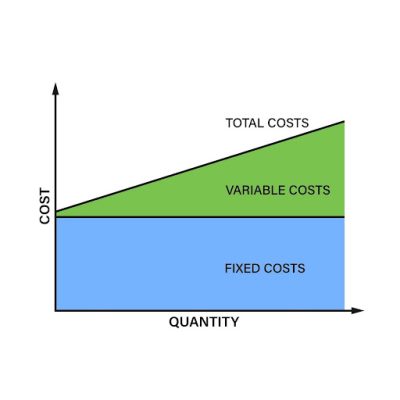
Alocação Precisa de Custos é o desafio mais significativo. Em SaaS, os custos são compartilhados (por exemplo, um único servidor hospeda vários serviços). Para fornecer uma visão precisa do verdadeiro custo unitário, você pode usar Custeio Baseado em Atividades (ABC)—onde você atribui os custos às atividades e, em seguida, aos produtos com base no uso dessas atividades.
O desafio da Gestão Eficaz de Custos é alocar os custos de forma adequada, especialmente em SaaS, onde os custos são alocados de forma multifuncional (por exemplo, um servidor atende a vários serviços). Para obter uma representação precisa do custo real, o Custeio Baseado em Atividades (ABC) método deve ser usado, no qual os custos são alocados às atividades e, em seguida, aos produtos com base no uso das atividades.

Checklist Gratuito de Estratégia de Precificação com Base em Custo Mais para SaaS
Aprenda a calcular a precificação custo-mais, garantir lucro e validar sua posição no mercado.
-

Detalhamento de custos passo a passo
-
Guia para definição de margem de lucro
-
Dicas para análise competitiva
-
Gatilhos de revisão e ajuste
Defina e Formalize a Porcentagem de Markup de Lucro Desejada
Decida sobre a margem de lucro que sua empresa pretende alcançar além dos custos totais. Essa margem é definida como uma porcentagem de markup.
o margem de lucro que sua empresa pretende alcançar além dos custos totais deve ser definida como uma porcentagem de markup.
Defina uma porcentagem de markup específica com base em metas financeiras, posicionamento de mercado e expectativas das partes interessadas.
Uma margem de lucro menor (por exemplo, 15-20%) pode ser uma opção se sua empresa for uma startup focada em crescimento rápido e participação de mercado. Uma faixa mais alta (por exemplo, 30-50%) pode ser um objetivo para empresas maduras e lucrativas com forte capacidade de defesa. De acordo com os padrões de mercado, uma margem bruta de 70-80% (o que se relaciona diretamente com CDV) é visado por muitas empresas estabelecidas B2B SaaS empresas. No entanto, para uma abordagem de custo total (que inclui todos os custos indiretos), uma margem de lucro líquida de 20-30% é frequentemente visada.
A fórmula para determinar a porcentagem de markup é:
| Porcentagem de Markup = (Lucro Desejado / Custo Total) x 100 |
Pegue a CloudBoost como exemplo. Seu custo é de $55,00 por unidade. Ela busca uma margem de 35% sobre o custo, o que poderia potencialmente financiar melhorias de software.
Verifique seu Custo de Aquisição de Cliente (CAC) e Valor do Tempo de Vida do Cliente (LTV). Uma estratégia de precificação custo-mais deve garantir que seu LTV seja significativamente maior que seu CAC. Se sua margem de lucro alvo (por exemplo, 20%) resultar em um preço onde LTV/CAC for inferior à proporção saudável padrão de 3:1, sua margem de lucro provavelmente está muito baixa, ou seu CAC está muito alto.
Checklist Gratuito de Estratégia de Precificação com Base em Custo Mais para SaaS
Aprenda a calcular a precificação custo-mais, garantir lucro e validar sua posição no mercado.
-
Detalhamento de custos passo a passo
-
Guia para definição de margem de lucro
-
Dicas para análise competitiva
-
Gatilhos de revisão e ajuste
Calcule o Preço de Venda usando a Precificação Custo Mais
Depois de saber o custo total, aplique a porcentagem de lucro desejada a ele (a margem de lucro).
Use esta fórmula simples de Precificação Custo Mais:
| Preço de Venda = Custo Total + (Custo Total x Porcentagem de Margem de Lucro) |
Usaremos a meta de lucro de 35% (margem de lucro) com o custo total da CloudBoost:
- Custo total é de $55
- Meta de lucro (35%) -> 0.35;
Vamos calcular o valor do lucro = $55.00 x 0.35 = $19.25
E agora o preço de venda = $55.00 + $19.25 = $74.25
O preço final calculado é de $74.25 por usuário por mês. Dessa forma, eles garantem que a CloudBoost cubra todos os seus custos e atinja sua meta de 35% de lucro.
Se sua empresa SaaS precisa de uma plataforma confiável que possa otimizar e automatizar o cobrança, Assinaturas, cálculo e declaração de impostos, processos de pagamentos globalmente, utilize a plataforma completa da PayPro Global. Ela suporta modelos de precificação complexos para empresas SaaS, incluindo custo-plus, em camadase estruturas baseadas no uso.
Checklist Gratuito de Estratégia de Precificação com Base em Custo Mais para SaaS
Aprenda a calcular a precificação custo-mais, garantir lucro e validar sua posição no mercado.
-
Detalhamento de custos passo a passo
-
Guia para definição de margem de lucro
-
Dicas para análise competitiva
-
Gatilhos de revisão e ajuste
Validar o Preço Calculado em Relação ao Valor de Mercado e Preços da Concorrência
A estratégia de precificação custo-plus envolve adicionar uma margem de lucro ao custo dos bens, tornando-o um processo interno. No entanto, o mercado decide o preço real que os clientes pagam. Esta estratégia integra abordagens competitivas e abordagens baseadas em valor.
Realize uma análise da concorrência e da disposição do cliente em pagar:
|
Cenário |
Estratégia Recomendada |
Justificativa |
|
Novo Mercado/Alta Diferenciação |
Precificação Baseada em Valor (Híbrido) |
Seu valor excede em muito sua baixa base de custo SaaS; o custo-mais puro deixa dinheiro na mesa. |
|
Comoditizado/Alta Concorrência |
Preços competitivos (Híbrido) |
Deve estar alinhado com os concorrentes; o custo-mais é uma verificação de sanidade para garantir que você não venda com prejuízo. |
|
Start-Up/Custos Estáveis/Foco em Financiamento |
Custo-Mais (Inicial) |
Mais fácil de justificar para investidores: “Cobrimos todos os custos e geramos 20% de lucro.” Oferece clara estabilidade financeira. |
|
Produto de Longo Prazo/Maduro |
Baseado em Valor + Custo Mais (Híbrido) |
Utilize o custo mais para definir o preço mínimo, e o baseado em valor para definir o preço máximo, maximizando a receita. |
Se o preço calculado de US$ 74,25 for superior ao que outros concorrentes estão oferecendo por um produto similar, que é de aproximadamente US$ 65,00, você pode considerar fazer o seguinte: (a) baixar seu preço (o que significa sacrificar o lucro), (b) aumentar o valor do seu produto (caminhando para uma precificação baseada em valor) ou (c) melhorar a eficiência de seus esforços de marketing e vendas.
Dica: Utilize Preços em Camadas para maximizar o lucro: aplique o estratégia de precificação custo-mais ao nível base/mais baixo e, em seguida, aplique A precificação baseada em valor para os níveis premium, onde o diferencial de custo é mínimo, mas o valor percebido pelo cliente é alto.
Checklist Gratuito de Estratégia de Precificação com Base em Custo Mais para SaaS
Aprenda a calcular a precificação custo-mais, garantir lucro e validar sua posição no mercado.
-
Detalhamento de custos passo a passo
-
Guia para definição de margem de lucro
-
Dicas para análise competitiva
-
Gatilhos de revisão e ajuste
Implementar um Ciclo Sistemático de Revisão e Ajuste
Os custos de SaaS frequentemente seguem um padrão não linear. À medida que a base de clientes se expande, o custo associado a cada usuário pode mudar significativamente. Se o modelo de precificação não for flexível, ele pode não capturar com precisão as economias de escala resultantes, sendo necessário estabelecer uma revisão obrigatória de preços trimestralmente ou semestralmente.
Quando revisar seu preço? É importante revisar seus preços imediatamente quando certas coisas acontecem. Estes são os principais gatilhos que devem fazer você revisar sua precificação:
- Se você notar uma mudança nos custos de um fornecedor chave, como uma variação maior que 10%
- Quando você atinge um número significativo de usuários (como passar de 1.000 para 10.000 usuários), o custo por usuário de desenvolvimento e hospedagem do serviço pode mudar;
- Se um concorrente importante entra ou sai do mercado, ou faz uma mudança significativa em sua própria precificação.
Métricas de Acompanhamento
Monitore sua Margem de Lucro Bruta e Margem de Lucro Líquida em relação à meta que você estabeleceu na Etapa 2. Se a margem de lucro líquida estiver consistentemente acima de 35%, pode ser uma oportunidade para aumentar o preço (se você sentir que está cobrando menos do que deveria) ou investir o lucro extra em novos recursos.
|
Métrica |
Meta |
Ação se Acima da Meta |
Ação se Abaixo do Alvo |
|
Margem de Lucro Líquida |
35% |
Manter preço/Aumentar investimento em P&D. |
Revisar custos (Passo 1) ou Aumentar Preço/Margem de Lucro (Passo 3). |
|
Índice LTV:CAC |
3:1 |
Aumentar Investimento em Marketing (Escalar o Crescimento). |
Revisar o preço (Está muito baixo?) ou Reduzir o CAC. |
Conclusão
Em conclusão, a estratégia de precificação custo-mais fornece uma estrutura para recuperar os custos associados ao produto SaaS. O processo envolve o cálculo de todos os custos diretos e indiretos, adicionando uma margem de lucro alvo, e então definindo o preço de venda usando a fórmula de precificação custo-mais. Este método proporciona estabilidade e uma sensação de segurança.
No entanto, deve ser revisto periodicamente juntamente com outras posições estratégicas que já estão no mercado e que também respondem ao mercado em constante mudança.
FAQ
-
A fórmula é: Preço de Venda = Custo Total + (Custo Total × Porcentagem de Margem de Lucro). Garanta que todas as despesas operacionais sejam cobertas para assegurar uma margem de lucro específica em cada venda.
-
O método considera principalmente fatores internos, que podem estar relacionados, mas não incorporam completamente, a precificação da concorrência, a percepção de valor de mercado ou os limites de pagamento do cliente.
Como o software geralmente envolve um investimento inicial significativo e despesas subsequentes mais baixas, a aplicação apenas da precificação custo-mais pode não fornecer uma avaliação abrangente.
-
Você deve incluir todas as suas despesas: coisas que mudam com base no uso (como hospedagem de sites e suporte), custos fixos de escritório (como aluguel e salários de gerentes), taxas de transação e uma parte do custo de desenvolvimento original distribuída por cada usuário.
Excluir custos fixos das considerações de precificação pode ter implicações para os resultados financeiros.
-
Este método pode ser aplicado por empresas novas ou aquelas em mercados com pouca concorrência e pode afetar a sua situação financeira. Ele visa facilitar a cobertura de despesas e o alcance de metas mínimas de lucro nas fases iniciais.
Pense nisso como a definição de um preço mínimo para ajudar a recuperar seu investimento inicial antes de passar para estratégias de precificação mais complexas baseadas no valor real do seu software.
-
À medida que a base de clientes cresce, os Custos Totais diminuirão devido ao efeito das economias de escala. Sua estratégia de precificação deve ser flexível o suficiente para aumentar a margem de lucro ou ajustar o modelo de precificação.
-
Sim, porque há uma chance de que a equipe não se concentre em buscar métodos econômicos e, em vez disso, gaste muito tempo em processos internos.
-
A precificação de custo mais lucro ajuda a determinar se o seu preço suporta uma razão LTV:CAC saudável (idealmente 3:1 ou superior). O preço deve ser alto o suficiente para cobrir o CAC e o COGS, ao mesmo tempo em que fornece LTV suficiente para um crescimento sustentável.
A precificação 'custo-mais' é útil para determinar se o seu preço cobre todos os custos, incluindo CAC e COGS, e deixa um lucro suficiente para o crescimento. O preço deve ser alto o suficiente para cobrir todas as despesas.
Pronto para começar?
Já estivemos onde você está. Vamos compartilhar nossos 19 anos de experiência e tornar seus sonhos globais realidade.



 Português do Brasil
  English
  Español
  Português
  Français
  Italiano
  Deutsch
  Nederlands
  Polski
  Română
  Українська
  简体中文
简体中文  日本語
日本語  한국어
한국어