
SaaS платежі
What is a SaaS Fraud Score Threshold?
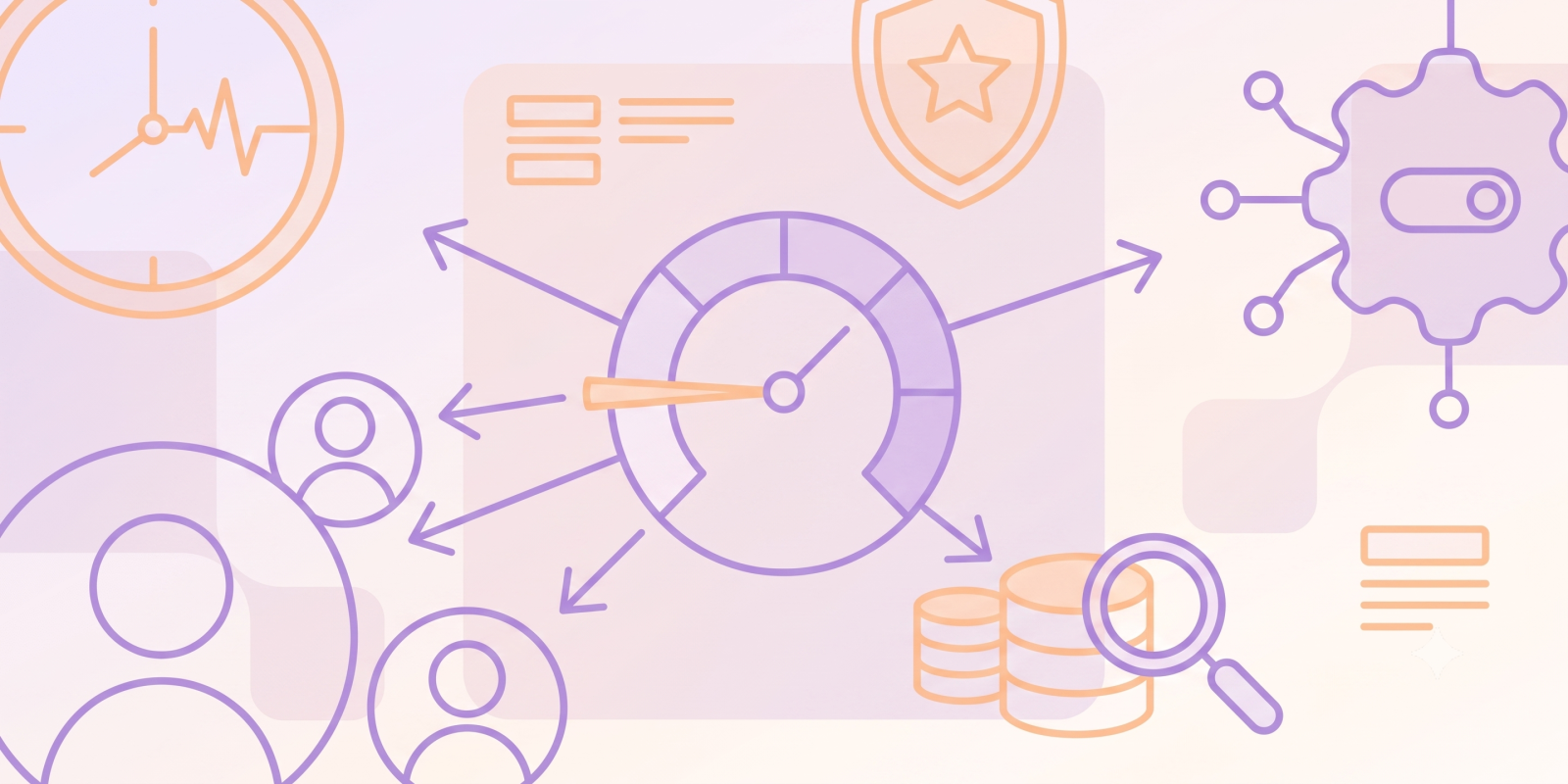
What is a SaaS Fraud Score Threshold?
The SaaS fraud score threshold is a numeric boundary at which you take actions depending on the level of risk indicated by your transaction. Usually, after a machine learning model has analyzed a transaction, a score is assigned based on the degree of resemblance to fraud. The threshold indicates what action is to be taken next, whether to approve the order, ask for a manual review, or decline it. Correct placement of the cutoff is crucial as it affects both security and the company’s revenue.
What is a good Fraud Score?
The definition of a favorable score can vary, influenced by the specific criteria adopted by each vendor. A low risk score is typically associated with transactions that do not present significant anomalies; a high score may correspond to situations requiring further review, such as discrepancies in customer or account details, an atypical transaction volume within a short timeframe, or an originating IP address that raises concerns.
SaaS merchants set their own bands; for example, 0–30 means “approval,” 31–70 indicates “review,” and 71+ means “decline,” depending mainly on their risk tolerance, average order value, and the industry.
What are the main types of Fraud Score Threshold Models?
Commonly, SaaS companies use these approaches:
- Single fixed threshold — this technique utilizes a single fixed threshold to differentiate between approved and declined statuses, without an intermediate category.
- Tiered thresholds — scores are arranged under multiple categories or bands (e.g., “approve”, “review”, “decline”), thereby allowing the manual review aspect.
- Dynamic threshold — the cutoff level is impacted by transaction factors such as quantity, item type, or customer history.
- Segmented threshold — different thresholds are set for different segments such as customer groups, payment means, or location (e.g., geographically).
- Thresholds adjusted by machine learning — the cutoff level evolves continuously as new patterns of fraud appear, so the model has to self-adjust on the fly.
Digital goods sellers may enforce a lower threshold for high-value software licenses, taking into account the impact of fraud on these assets. Conversely, for a subscription business offering low-value, recurring products, an adjustment to the threshold may be considered, given that high transaction volumes could render manual review of each instance inefficient.
How do you determine and set an optimal Fraud Score Threshold?
Finding the right SaaS threshold is based mainly on historical data. Here are some of the steps that you can follow to achieve that:
- Check past transactions to locate where fraud and genuine orders have clustered over risk score ranges.
- Determine the quantities of regular customers turned away and the quantities of fraud cases identified across cutoff levels.
- Instead of employing a single blanket threshold, group customers by risk indicators such as order value, geography, or product category.
- Seasonal changes in shopping patterns may, for a period, coincide with the appearance of valid risk indicators.
- Regulatory or card network requirements tied to specific transaction types.
Why is choosing the right Fraud Score Threshold important for SaaS merchants?
Merchants typically consider the balance between risk and revenue when establishing fraud score thresholds. A reduction in the authorization cutoff point typically corresponds to a greater number of orders that present intrinsic risks. This may influence the frequency of chargebacks, fee collection, and the handling of penalties. Data suggests a connection between a higher cutoff point and the process verified customers undertake for specific requirements, potentially influencing sales conversion, revenue, and customer trust.
|
Переваги |
Недоліки |
|
The volume of fraudulent transactions that proceed to approval is lower |
The state of an order being valid does not necessarily ensure its approval |
|
Chargeback rates at non-elevated levels |
Cart abandonment is accompanied by numerical observations |
|
The level of compliance risk is observed to be lower |
Variations in customer repurchase rates |
How often should Fraud Score Thresholds be reviewed and recalibrated?
The precision of a fixed fraud detection threshold is influenced by shifts in fraud tactics. The majority of SaaS merchants review their thresholds at least quarterly, and when major sales events, new product lines launch, or there is a substantial increase in chargebacks or false declines.
Making the decision: Do I need a Fraud Score Threshold strategy?
Before making any decisions on where to devote your efforts, get a few of your thoughts straight.
- What aspects of зворотні платежі та Помилкові відхилення are relevant to your business’s financial operations?
- With a high transaction volume, is evaluating the practicality of manually reviewing every business order pertinent?
- Has there been a change in the customer demographic or product offerings?
Фактори прийняття рішень:
- Industry-specific metrics for fraud prevalence
- запобігання шахрайству methods and resources available
- Acceptance of workload by human reviewers
Висновок
A SaaS fraud score threshold is a balance between safe and unsafe transactions, and finding it requires continuous assessment and modification of related facts. For companies that do not treat the security threshold as a permanent fixture, but as a parameter requiring occasional adjustment, a balance between security policies and revenue generation can be achieved.
Готові розпочати?


 Українська
  English
  Español
  Português
  Português do Brasil
  Français
  Italiano
  Deutsch
  Nederlands
  Polski
  Română
  简体中文
简体中文  日本語
日本語  한국어
한국어