
Market Analysis
What is XaaS (Everything as a Service)?
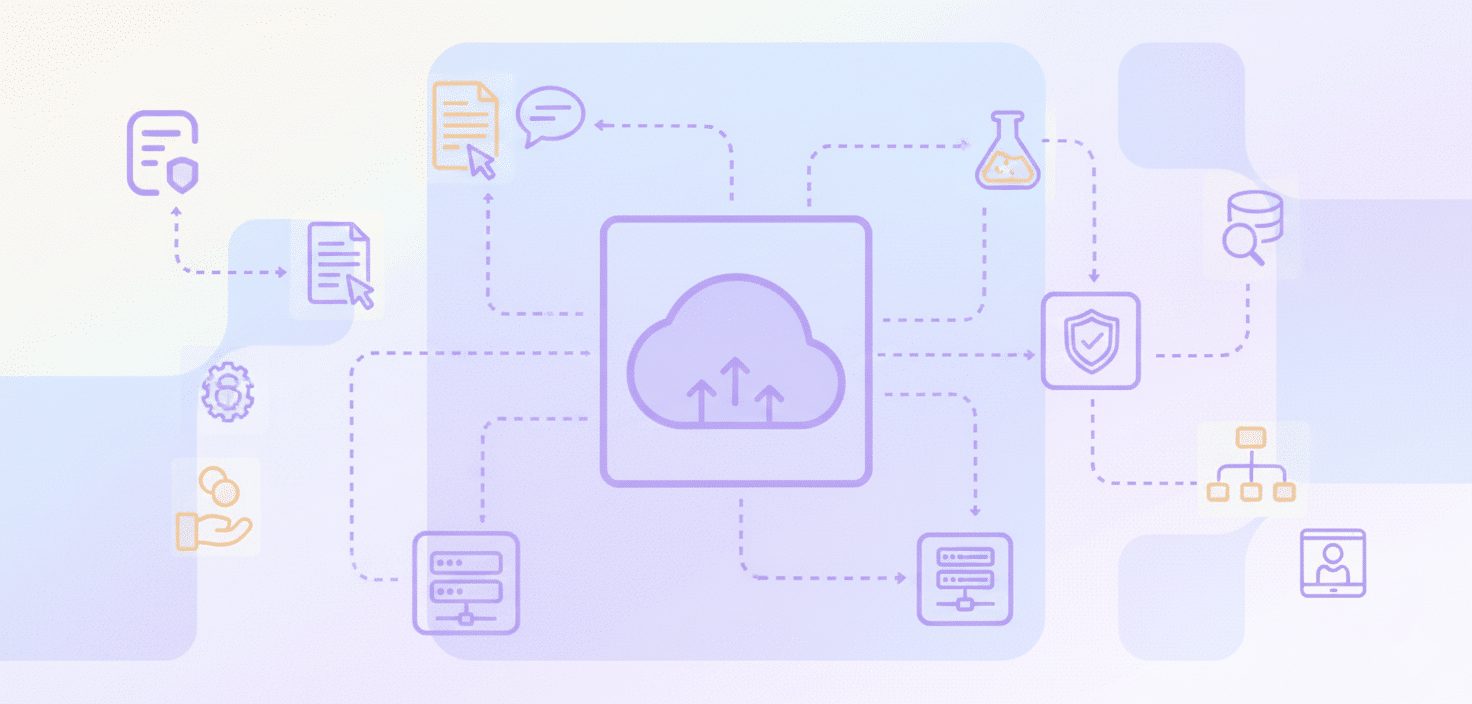
What is XaaS (Everything as a Service)?
XaaS, short for “Everything-as-a-Service” or “Anything-as-a-Service,” is a broad term that refers to delivering various IT services, applications, and resources over the internet. Its cloud infrastructure services alone drew an estimated $143 billion of enterprise spending in Q2 2026 (Synergy Research Group).
It is an umbrella term that includes different “as-a-Service” models such as:
- SaaS (Software as a Service)
- PaaS (Platform as a Service)
- IaaS (Infrastructure as a Service)
A distinct layer of the technology stack is served by each of these models. SaaS covers software only, while XaaS spans every layer. XaaS also covers database, desktop, storage, and disaster recovery as a service.
XaaS, which is part of cloud computing, provides a method for scalable, on-demand service access, allowing businesses to switch from product-based to service-based solutions.
Companies like IBM, Amazon Web Services (AWS), Google Cloud or Microsoft Azure offer XaaS services.
What are the benefits of XaaS?
Factors concerning XaaS relate to:
- Resource management: XaaS simplifies IT deployment by offering all necessary tools and services in one subscription, reducing complexity.
- Faster production and collaboration: Available cloud tools improve production processes and team collaboration.
- Scalability: XaaS adapts easily to evolving workloads and business needs.
- Accessibility and agility: Enables quick implementation, frequent updates, and faster modifications to organizational systems.
- Enhanced security: Advanced cloud infrastructure can improve data protection.
- Cost savings: Reduces capital expenditure while increasing operational efficiency.
- Customer satisfaction and innovation: Frees resources for innovation and fosters better customer experiences.
- Revenue opportunities: Creates new revenue streams, lower entry costs for customers, and richer customer relationships.
But businesses should also think about:
- reliance on suppliers for security and dependability.
- vendor lock-in, which may occur when exit strategies are not adequately developed.
Before implementing any XaaS paradigm, a clear deployment plan is necessary.
How does XaaS differ from traditional IT?
XaaS delivers IT as pay-as-you-go cloud services; traditional IT runs on owned, on-premises infrastructure:
| Aspect | XaaS (Everything as a Service) | Traditional IT |
| Service Delivery | Delivers IT services digitally via the cloud. | Relies on physical infrastructure and on-premises resources. |
| Payment Model | Uses a pay-as-you-go approach, providing operational flexibility. | Based on capital expenditure (CapEx), requiring upfront investment. |
| Flexibility | Offers on-demand, scalable solutions without large hardware or software investments. | Limited scalability; requires significant time and cost to expand capacity. |
| Business Focus | Transforms functionalities into services, focusing on customer outcomes and continuous value delivery. | Focuses on products and ownership, emphasizing asset management. |
| Impact on Operations | Increases flexibility in pricing, production, and delivery, allowing faster adaptation to market changes. | More rigid pricing and deployment structures due to physical dependencies. |
However, transitioning to XaaS requires employee adaptation and training to maintain productivity and fully leverage the model’s benefits.
How does XaaS benefit different business sizes?
XaaS affects cost management, scalability, and technology access differently by business size:
- Small and Medium-sized Enterprises (SMEs): Can use XaaS to access enterprise-level technology without high upfront costs. Providers handle updates, security, and maintenance.
- Startups: Benefit from flexible, usage-based pricing that allows rapid scaling and resource optimization.
- Large enterprises: Can streamline operations, modernize IT infrastructures, and redirect resources toward innovation.
What are the challenges of adopting XaaS?
While XaaS offers transformative advantages, it also presents challenges that businesses must manage proactively.
Common challenges include:
- Reliance on cloud and internet connectivity:
- Downtime or connection issues can disrupt operations (IBM).
- The extent of vendor transparency can vary: A lack of visibility into providers’ operations and SLAs can introduce risk.
- Data security and compliance: Ensuring strong cybersecurity and compliance with regulations is essential.
- Cultural and organizational change: Transitioning to XaaS requires mindset shifts, reskilling, and change management.
What should businesses consider when choosing an XaaS solution?
When selecting an XaaS provider, businesses should evaluate both technical and strategic fit.
Key considerations include:
- Provider’s product architecture and ability to scale
- Dynamic pricing models that relate to business requirements
- Data security and privacy policies
- Customer satisfaction and support quality
- Compatibility with existing infrastructure and systems
- Disaster recovery and risk mitigation capabilities
It’s also important to assess vendor lock-in risks, internet reliability, and service continuity to ensure a stable and sustainable XaaS partnership.
What are the security and compliance implications of XaaS?
The security and compliance implications of XaaS are new responsibilities. Businesses must thoroughly evaluate a provider’s ability to safeguard sensitive data and meet regulatory standards.
Best practices include:
- Assessing security frameworks: Confirm encryption standards, access controls, and identity management systems.
- Reviewing compliance certifications: Ensure alignment with relevant standards and regulations (e.g., GDPR, SOC 2).
- Implementing data governance policies: Define ownership, access rights, and data residency.
- Establishing disaster recovery plans: Validate redundancy and business continuity measures.
Organizations should also be mindful of:
- Vendor lock-in risks
- Data sovereignty laws across jurisdictions
- Evolving risk management and performance monitoring frameworks
Strong governance and transparent partnerships are vital for maintaining trust, security, and compliance in the XaaS environment.
Conclusion
XaaS (Everything as a Service) denotes a transition from ownership to access, which may influence the pace of innovation and scaling. Enterprise spending on one part, cloud infrastructure services, reached $143 billion in Q2 2026 (Synergy Research Group).
Companies must put in place security and compliance procedures, achieve a balance between flexibility and control, and cultivate an innovative culture to succeed with XaaS.
Ready to get started?


 English
 Español
 Português
 Português do Brasil
 Français
 Italiano
 Deutsch
 Nederlands
 Polski
 Română
 Українська
 简体中文
 日本語
 한국어