
Wachstumsstrategien
Was ist SaaS-DTC-Wachstum?
Was ist SaaS-DTC-Wachstum?
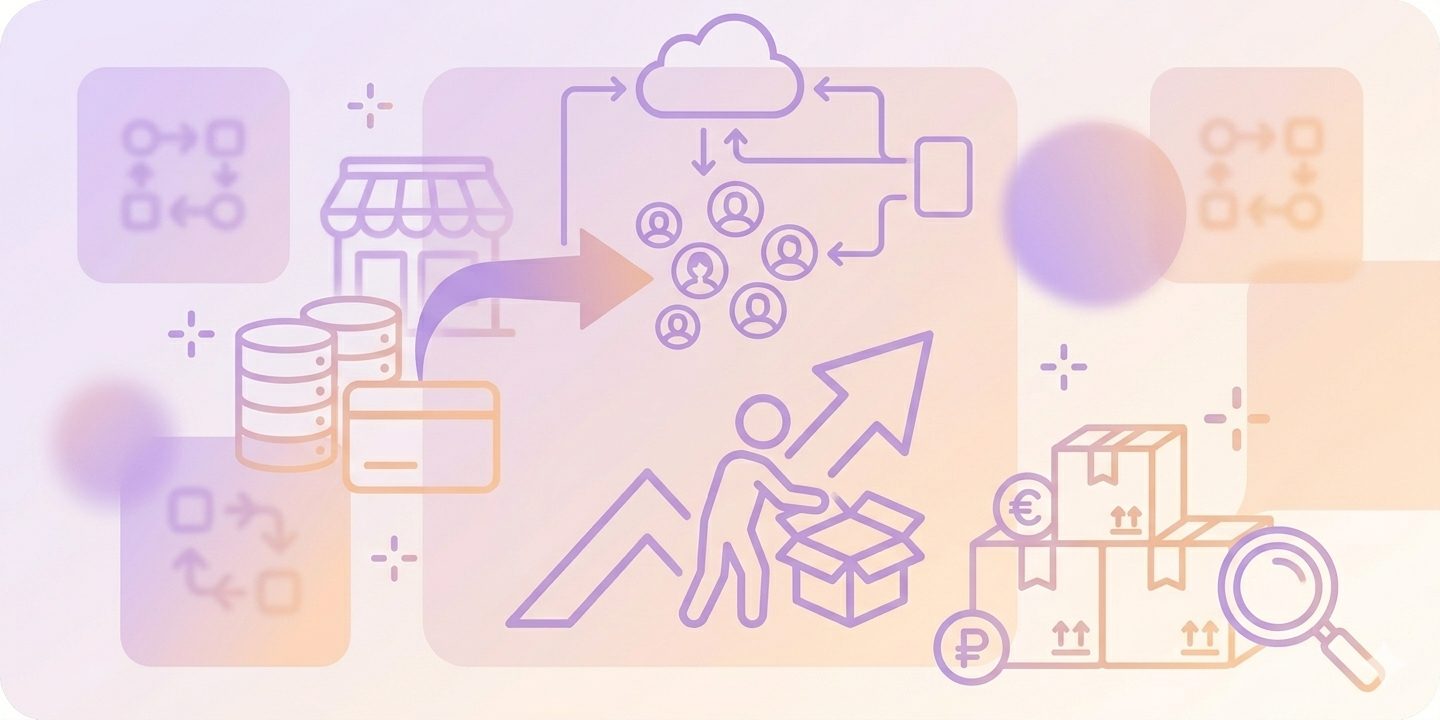
SaaS Direktvertrieb an Endkunden (DTC) ist ein Geschäftsmodell, bei dem Software-as-a-Service-Anbieter Cloud-basierte Anwendungen direkt an einzelne Endnutzer über ihre eigenen digitalen Kanäle verkaufen, anstatt über Unternehmensbeschaffungsprozesse oder Drittanbieter-Wiederverkäufer. Bei diesem Modell finden, testen und kaufen Nutzer die Software typischerweise selbstständig über einen Self-Service-Prozess.
Wie funktioniert das SaaS-DTC-Geschäftsmodell?
In einem SaaS-DTC-Modell bietet der Anbieter Software über eigene digitale Kanäle an. Das Produkt wird über die Benutzeroberfläche eingeführt und genutzt, anstatt über einen standardmäßigen Verkaufsprozess.
- Self-Service-Onboarding: Nutzer erstellen ein Konto und greifen selbstständig auf das Tool zu; eine Demo durch einen Vertriebsmitarbeiter ist kein notwendiger Bestandteil dieses Prozesses.
- Integrierte digitale Zahlungen: Abrechnungssysteme verwalten monatliche oder jährliche Abonnements, oft mit einer Freemium- oder Testoption.
- Eigener Vertrieb: Das Unternehmen vertreibt das Produkt über seine Website, soziale Plattformen oder App-Listings anstelle eines Vertriebsnetzwerks.
- Direkter Support: Der Anbieter verwaltet den Kundenlebenszyklus und nutzt direkte Daten, um Support durch automatisierte oder menschliche Unterstützung bereitzustellen.
Wie unterscheidet sich der DTC-Ansatz grundlegend vom traditionellen Einzelhandel?
Der Hauptunterschied zwischen DTC und traditionellem Einzelhandel liegt in wem die Kundenbeziehung und die Daten gehören. In einem traditionellen Einzelhandels- oder „Channel“-Modell verkauft ein Softwareunternehmen Lizenzen an einen Zwischenhändler, wie einen Einzelhändler oder einen Value-Added Reseller, der diese dann an den Endnutzer weiterverkauft. Infolgedessen erhält der Software-Ersteller die Informationen zur Produktnutzung typischerweise über den Vermittler und nicht direkt vom Nutzer.
|
Funktion |
Traditioneller Einzelhandel / Channel |
SaaS Direct-to-Consumer (DTC) |
|
Primärkontakt |
Drittanbieter-Reseller oder Einzelhandelsgeschäft |
Der Software-Ersteller/die Marke |
|
Dateneigentum |
Kontrolliert vom Vermittler |
Vollständig im Besitz des Softwareanbieters |
|
Vertriebsgeschwindigkeit |
Längere Zyklen (Wochen oder Monate) |
Sofort (Minuten) |
|
Gewinnmarge |
Mit Distributoren geteilt |
Zu 100 % von der Marke einbehalten |
Was sind die Hauptvorteile des DTC-Modells?
Das DTC-Modell beinhaltet die Nutzung von Nutzerdaten im Produktaktualisierungsprozess. Durch eine direkte Verbindung zu den Nutzern erkennen Teams, wo Reibungspunkte auftreten, und führen Produktüberarbeitungen in kürzeren Entwicklungszyklen anstelle von jährlichem Feedback durch.
Für viele moderne Software-Startups stimmt der Ansatz meist mit den Investitionen überein. Während die vollen Kosten für Marketing und Kundensupport berücksichtigt werden müssen, sind die Gewinnmargen und Abwanderungsraten, geprägt durch eine datengestützte Benutzererfahrung, Elemente, die in die Customer Lifetime Value (LTV) im Laufe der Zeit.
Was sind die umsetzbarsten Tipps für den Start eines neuen DTC-Kanals?
Die Einführung eines DTC-Kanals bedeutet eine Verschiebung vom “Verkaufen” zum “Unterstützen.” Hier sind vier praktische Strategien für den Anfang:
- Time to Value: Strukturieren Sie das Onboarding so, dass Nutzer innerhalb der ersten Minuten nach der Anmeldung einen ersten Punkt der Produktnutzung erreichen können.
- Vielfältige Zahlungsinfrastruktur: Integrieren Sie lokalisierte Zahlungsmethoden (wie digitale Geldbörsen, “Jetzt kaufen, später bezahlen”-Optionen oder regionale Banküberweisungen), um den Abbruch von Warenkörben zu reduzieren und globalen Käuferpräferenzen gerecht zu werden.
- Kundenerfolg: Nutzen Sie In-App-Anleitungen und automatisierte E-Mail-Sequenzen während des Testzeitraums.
- Reibung beseitigen bei Kaufabwicklung: Nutzen Sie Ein-Klick-Zahlungsoptionen und klare Preistabellen für den Checkout-Prozess.
Wie können Abonnements und proaktive Kundenbindung das Wachstum vorantreiben?
In einem DTC-Umfeld hängt das Wachstum sowohl von der Akquise als auch von der Kundenbindung ab. Ein abonnementbasierten Modell ist eine Möglichkeit, die wiederkehrende Abrechnung zu strukturieren, und es kann mit einem Kundenbindungsprozess der die Benutzeraktivität im Laufe der Zeit überwacht.
Ein proaktiver Kundenbindungsprozess umfasst das Tracking von „Health Scores“ – Datenpunkten, die widerspiegeln, wie oft sich ein Benutzer anmeldet. Wenn die Aktivität nachlässt, kann das System eine Re-Engagement-E-Mail senden oder ein personalisiertes Tutorial teilen. Dies kann Teil des fortlaufenden Umsatzmanagements sein.
- Skalierbarkeit: Kann Ihre Server-Infrastruktur 1.000 neue direkte Anmeldungen an einem einzigen Tag bewältigen?
- Globale Compliance: Sind Sie bereit, die Mehrwertsteuer-, Umsatzsteuer- und DSGVO-Anforderungen für Benutzer in verschiedenen Ländern zu erfüllen?
- CAC vs. LTV: Sind die Kosten für die Akquise eines Kunden (CAC) niedriger als der Gesamtgewinn, den er über seine gesamte Lebensdauer (LTV) generiert?
Schlussfolgerung
SaaS DTC ist ein Geschäftsmodell, das Software-Entwickler und Nutzer direkt miteinander verbindet, mit Fokus auf Datenzugriff, Margenstruktur und Wachstumsmuster. Marken können im Laufe der Zeit eine definierte User Journey und Retention-Prozesse nutzen.
Bereit anzufangen?


 Deutsch
  English
  Español
  Português
  Português do Brasil
  Français
  Italiano
  Nederlands
  Polski
  Română
  Українська
  简体中文
简体中文  日本語
日本語  한국어
한국어