
Pagos SaaS
¿Qué es un cargo de preautorización de tarjeta de crédito SaaS?
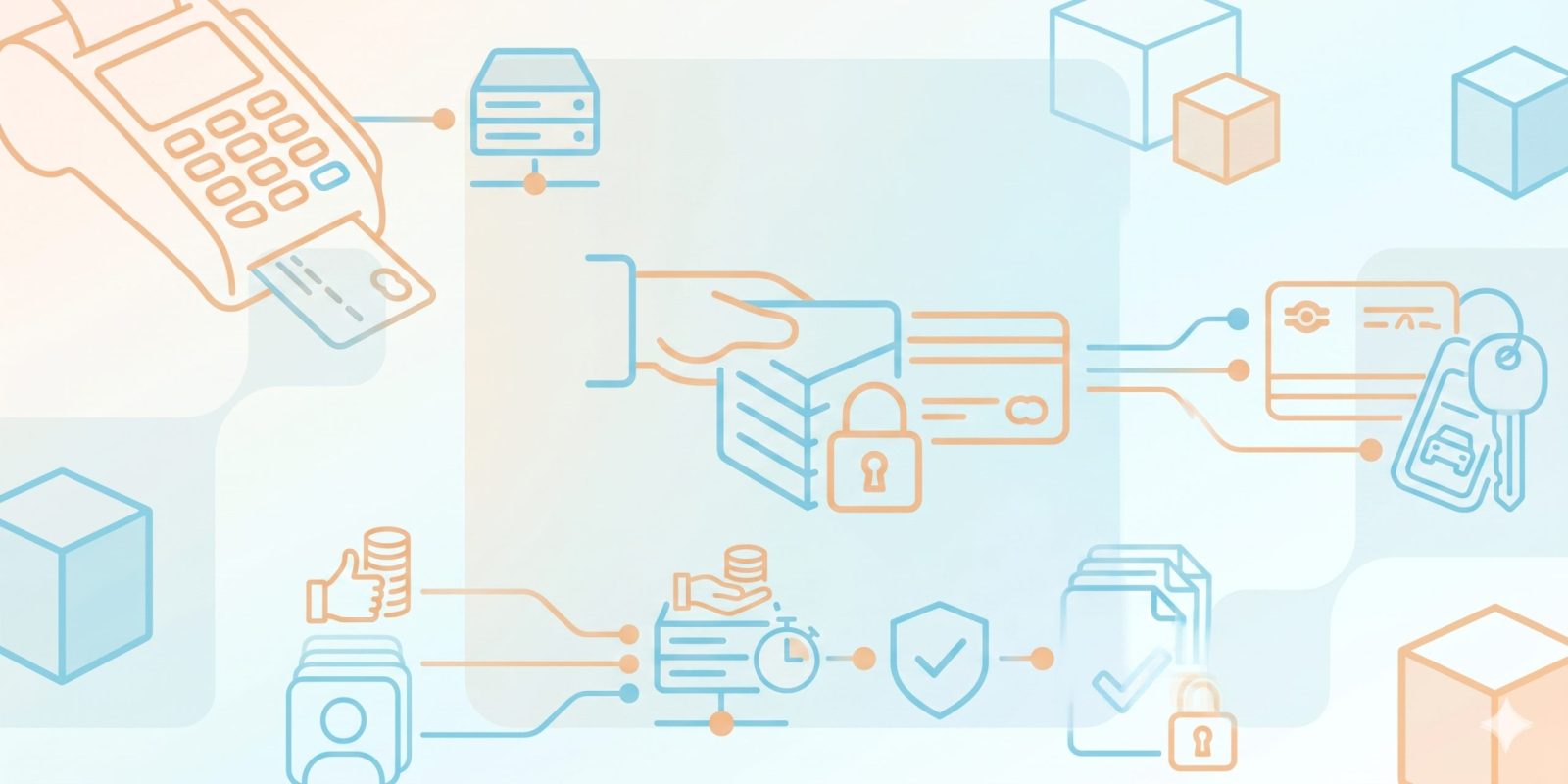
¿Qué es un cargo de preautorización de tarjeta de crédito SaaS?
La preautorización de tarjeta de crédito aplica una retención temporal en las cuentas de tarjeta de crédito o débito del cliente. La retención verifica la validez al tiempo que reserva ciertos fondos. La activación del servicio se realiza posteriormente en la secuencia. Las suscripciones SaaS, junto con los períodos de prueba, ofrecen un método para revisar la actividad de pago y retener una cantidad nominal durante esa fase.
En lugar de realizar un cargo inmediato, el sistema simplemente se comunica con el banco del titular de la tarjeta. Verifica si la cuenta está abierta, activa y si tiene una línea de crédito adecuada disponible para la próxima facturación. El sistema de facturación registra este detalle al momento del registro. Los usuarios luego pasan del período de prueba a una suscripción de pago.
¿Por qué las empresas SaaS deberían usar la preautorización para las pruebas gratuitas y las suscripciones recurrentes?
En contextos de SaaS, la preautorización se utiliza a veces para confirmar que los métodos de pago están disponibles antes de comenzar una prueba gratuita o iniciar pagos recurrentes.
A lo largo de una prueba, los patrones de registro de usuarios y las diversas condiciones de las tarjetas de pago pueden observarse en cómo las cuentas interactúan con la plataforma.
La aplicación de una retención en la tarjeta ayuda a registrar si las funciones de pago se configuran normalmente a medida que ambas partes avanzan en los pasos de incorporación.
Según los estándares de seguridad de las tarjetas de crédito, este método se emplea como parte de la validación rutinaria de pagos, incluso para tarjetas que pueden no estar activas en etapas posteriores. En general, estos pasos de verificación se utilizan comúnmente para abordar las transiciones de procedimiento desde las pruebas iniciales hasta los ciclos de pago regulares.
¿Cómo funcionan las preautorizaciones de tarjetas de crédito paso a paso (iniciar, retener, registrar el monto final, liberar lo no utilizado)?
La Secuencia utiliza mensajería API en tiempo real: se produce entre su aplicación principal, la pasarela de pagos, las redes de tarjetas y el banco emisor. El ciclo de vida arquitectónico incluye cuatro etapas.
- Iniciar: El formulario de incorporación del usuario proporciona los detalles de pago. La pasarela de pago envía la solicitud de autorización. El banco emisor verifica la validez de la cuenta, junto con la disponibilidad de saldo.
- Retención: El banco emisor revisa las credenciales y retiene temporalmente una cantidad designada, disminuyendo el límite de crédito disponible del titular de la tarjeta. En esta fase, el sistema lista y reserva los fondos de la cuenta sin finalizar un bloqueo de transacción comercial.
- Registro del Monto Final: El período de prueba finaliza o el servicio comienza. La plataforma SaaS luego envía el monto de captura final para liquidar la transacción y convertir la retención temporal en el cargo real.
- Liberar Saldo No Utilizado: Si se cancela una prueba o la cifra publicada cae por debajo del nivel de retención inicial, el sistema bancario libera automáticamente los fondos no utilizados de vuelta al saldo del usuario.
¿Cómo se implementa la preautorización para pruebas gratuitas y la incorporación a suscripciones?
La gestión de las retenciones de pago se somete a una revisión que cubre los factores de riesgo. Al mismo tiempo, los detalles del consumidor entran en juego. Las credenciales de la tarjeta deben procesarse de acuerdo con los estándares de la red de pagos.
- La configuración se aplica a la pasarela de pago. La configuración genera una solicitud de autorización de API en pago sin vincularse a ninguna acción de captura en ese momento.
- La duración de la retención se alinea con los datos del intervalo de prueba. Esto mantiene la entrada de retención activa para la validación.
- Divulgue claramente las posibles retenciones bancarias temporales en los formularios de entrada de pagos, ya que esto genera transparencia y explica el aspecto bancario en términos sencillos.
- Aproveche los webhooks como parte de pasarela de pago funciones. Esto automatiza la liberación de fondos conectada a los eventos de cancelación de prueba que ocurren antes de la finalización programada.
¿Cuáles son los beneficios de la preautorización para los comerciantes de SaaS (reducción de fraude, menos contracargos, menores tarifas de intercambio, sin comisiones por reembolso, mejor flujo de caja)?
Las empresas SaaS que añaden un paso de retención de autorización a la configuración de sus suscripciones adquieren una capa defensiva para sus modelos de negocio de suscripción. Los puntos comerciales principales incluyen:
- Reducción del fraude: El sistema realiza una verificación de tarjeta al registrarse – esto marca las tarjetas inválidas o robadas y aplica límites a prueba registros sin válidas de pago.
- Menos Contracargos de SaaS: La verificación de la cuenta ocurre en la primera etapa. Este paso registra los detalles básicos de la cuenta. Luego, registra un vínculo con el volumen de disputas de pago de actores malintencionados.
- Más bajo Tasas de Intercambio & Sin tarifas de reembolso: Las retenciones pasan a un estado de liberación en lugar de procesarse como un cargo completado, y la posterior reversión de ese cargo. Las tarifas de intercambio, junto con los asociados reembolso cargos de procesamiento para esa secuencia, permanecen fuera de la transacción.
- Flujo de caja: El flujo de trabajo establece el orden de la secuencia de registro. Minimiza abandono debido a pagos fallidos y también gestiona los recursos asignados a las cuentas que permanecen en estado impago.
Conclusión
La preautorización de tarjetas de crédito SaaS se refiere a un procedimiento que verifica los detalles de pago. Las retenciones de fondos ocurren antes de la activación del servicio. El procedimiento implica una retención temporal, luego registra el monto final, seguido de la liberación de cualquier porción no utilizada. Las empresas SaaS lo aplican en contextos que implican fraude y contracargos. Los montos de las tarifas y los patrones de flujo de caja también reciben atención. La implementación de la preautorización se relaciona con ciertas operaciones comerciales. También se conecta con las cuentas de clientes dentro del proceso de suscripción.
¿Listo para comenzar?


 Español
  English
  Português
  Português do Brasil
  Français
  Italiano
  Deutsch
  Nederlands
  Polski
  Română
  Українська
  简体中文
简体中文  日本語
日本語  한국어
한국어