
Pagamentos SaaS
O que é uma Cobrança de Pré-Autorização de Cartão de Crédito SaaS?
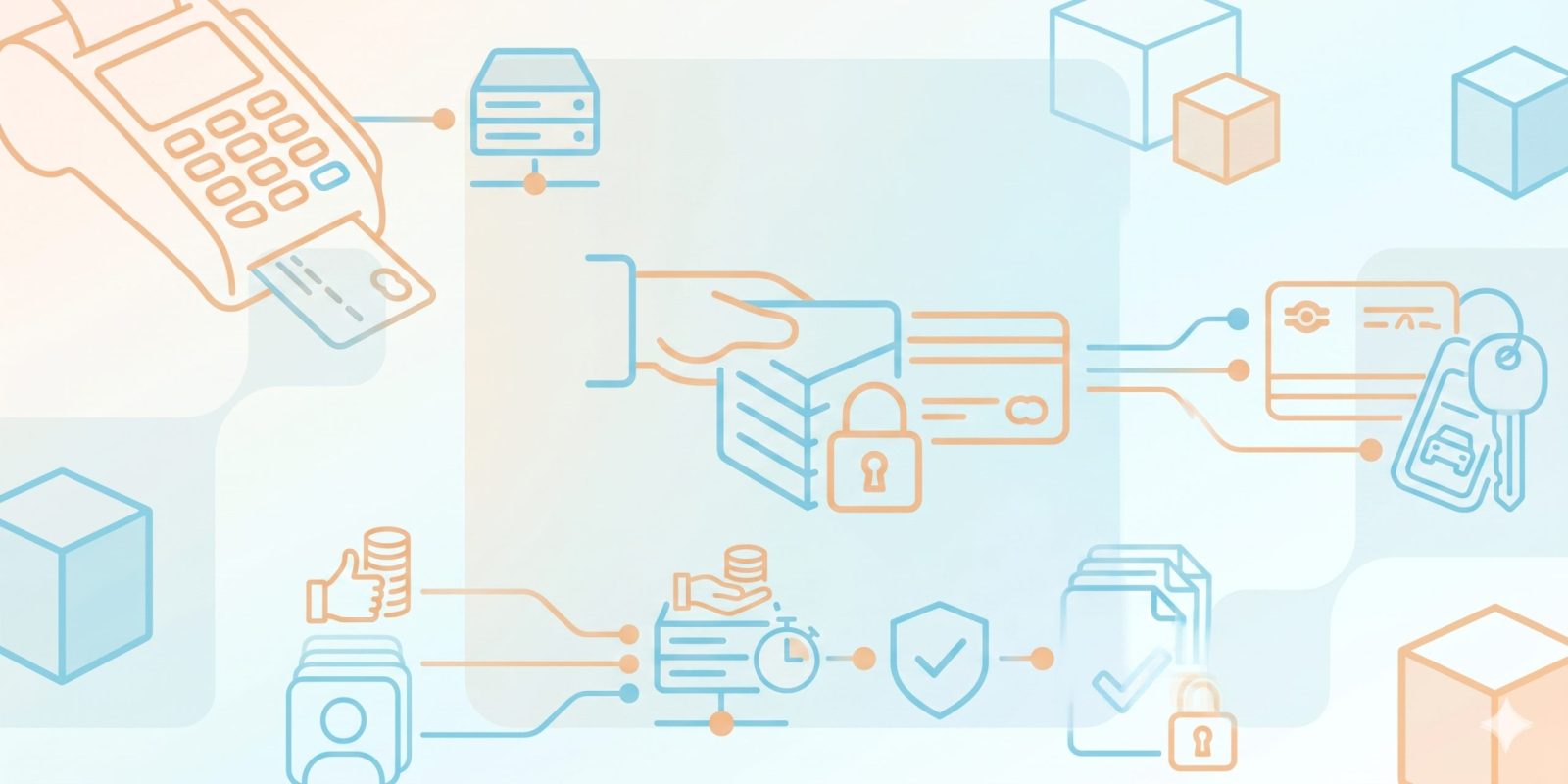
O que é uma Cobrança de Pré-Autorização de Cartão de Crédito SaaS?
A pré-autorização de cartão de crédito aplica uma retenção temporária nas contas de cartão de crédito ou débito do cliente. Essa retenção verifica a validade ao mesmo tempo que reserva certos fundos. A ativação do serviço ocorre em seguida. Assinaturas SaaS, em conjunto com períodos de teste, utilizam um método para revisar a atividade de pagamento e bloquear um valor nominal durante essa fase.
Em vez de realizar uma cobrança imediata, o sistema simplesmente contacta o banco do titular do cartão. Ele verifica se a conta está aberta, ativa e possui uma linha de crédito adequada restante para a próxima faturação. O sistema de faturação regista este detalhe no momento do registo. Os utilizadores então prosseguem do período de teste para uma subscrição paga.
Por que empresas SaaS devem usar a pré-autorização para testes gratuitos e assinaturas recorrentes?
Em contextos de SaaS, a pré-autorização é por vezes utilizada para confirmar que os métodos de pagamento estão disponíveis antes de iniciar um período de teste gratuito ou de iniciar pagamentos contínuos.
Durante um teste, padrões de registro de usuários e diversas condições de cartões de pagamento podem ser observados na forma como as contas interagem com a plataforma.
A aplicação de uma pré-autorização de cartão ajuda a registrar se as funções de pagamento estão configuradas normalmente, à medida que ambas as partes avançam nas etapas de integração.
Com base em referências de segurança de cartão de crédito, este método é observado como parte da validação rotineira de pagamentos, inclusive para cartões que podem não estar mais ativos em etapas posteriores. No geral, essas etapas de verificação são comumente usadas para abordar transições procedimentais desde testes iniciais até ciclos de pagamento regulares.
Como funcionam as pré-autorizações de cartão de crédito passo a passo (iniciar, reter, lançar valor final, liberar não utilizado)?
A sequência utiliza mensagens de API em tempo real: isso ocorre entre sua aplicação principal, o gateway de pagamento, as redes de cartões e o banco emissor. O ciclo de vida arquitetural inclui quatro estágios.
- Iniciar: O formulário de integração do usuário fornece os detalhes de pagamento. O gateway de pagamento envia a solicitação de autorização. O banco emissor verifica a validade da conta, juntamente com a disponibilidade de saldo.
- Retenção: O banco emissor analisa as credenciais e retém temporariamente um valor designado, reduzindo o limite de crédito disponível do titular do cartão. Nesta fase, o sistema lista e reserva os fundos da conta sem finalizar um bloqueio de transação comercial.
- Lançar Valor Final: O período de teste termina ou o serviço começa. A plataforma SaaS então submete o valor final de captura para liquidar a transação e converter a retenção temporária no valor cobrado efetivamente.
- Liberar Não Utilizado: Se um teste for cancelado ou o valor lançado cair abaixo do nível de retenção inicial, o sistema bancário libera automaticamente quaisquer fundos não utilizados de volta ao saldo do usuário.
Como implementar a pré-autorização para testes gratuitos e onboarding de assinaturas?
O gerenciamento de retenções de pagamento passa por uma revisão que abrange fatores de risco. Ao mesmo tempo, detalhes do lado do consumidor entram em cena. As credenciais do cartão devem ser processadas de acordo com os padrões da rede de pagamento padrão.
- A configuração se aplica ao gateway de pagamento. A configuração produz uma solicitação de autorização de API em checkout sem vinculá-lo a nenhuma ação de captura naquele momento.
- A duração da retenção está alinhada com os dados do intervalo do teste. Isso mantém o registro da retenção ativo para a validação.
- Divulgue claramente potenciais retenções bancárias temporárias nos formulários de entrada de pagamento, pois isso constrói transparência e aborda o aspecto bancário em termos simples.
- Utilize webhooks como parte de gateway de pagamento funções. Isso automatiza a liberação de fundos conectada a eventos de cancelamento de teste que ocorrem antes da conclusão programada.
Quais são os benefícios da pré-autorização para comerciantes SaaS (redução de fraude, menos estornos, taxas de intercâmbio mais baixas, sem taxas de reembolso, melhor fluxo de caixa)?
Empresas SaaS que adicionam uma etapa de pré-autorização à configuração de suas assinaturas adquirem uma camada defensiva para seus modelos de negócios de assinatura. Os principais pontos comerciais incluem:
- Redução de Fraude: O sistema realiza uma verificação de cartão no registro – isso sinaliza cartões inválidos ou roubados e aplica limites a período de teste cadastros sem pagamento.
- Menos Estornos SaaS: A verificação da conta ocorre na primeira etapa. A etapa registra os detalhes básicos da conta. Ela registra uma ligação com o volume de disputas de pagamento de agentes mal-intencionados posteriormente.
- Menor Taxas de Intercâmbio & Sem Taxas de Reembolso: As retenções passam para um estado de liberação em vez de serem processadas como uma cobrança concluída, e a posterior reversão dessa cobrança. As taxas de intercâmbio, juntamente com as associadas reembolso taxas de processamento para essa sequência, permanecem separadas da transação.
- Fluxo de Caixa: O fluxo de trabalho define a ordem da sequência de inscrição. Ele minimiza rotatividade devido a pagamentos falhados e também gerencia os recursos alocados às contas que permanecem em status não pago.
Conclusão
A pré-autorização de cartão de crédito para SaaS refere-se a um procedimento que verifica os detalhes de pagamento. Bloqueios de fundos ocorrem antes da ativação do serviço. O procedimento realiza um bloqueio temporário, depois lança o valor final, seguido pela liberação de qualquer porção não utilizada. Empresas de SaaS aplicam-na em contextos envolvendo fraude e estornos. Valores de taxas e padrões de fluxo de caixa também recebem atenção. A implementação da pré-autorização relaciona-se a certas operações comerciais. Também se conecta às contas de clientes dentro do processo de assinatura.
Pronto para começar?


 Português
  English
  Español
  Português do Brasil
  Français
  Italiano
  Deutsch
  Nederlands
  Polski
  Română
  Українська
  简体中文
简体中文  日本語
日本語  한국어
한국어