

Como Medir o Sucesso do Cliente SaaS: Um Guia Passo a Passo
Para entender se os clientes estão obtendo benefícios do seu produto, uma SaaS organização deve considerar a inclusão de certas métricas de engajamento e financeiras no processo de monitoramento. Isso é importante porque modelos baseados em assinatura dependem de Retenção de clientes para gerar lucro, tornando crucial garantir que o cliente perceba o valor fornecido pelo produto ou serviço como equivalente ao preço cobrado. Este guia detalha a implementação das principais métricas de sucesso do cliente, apoiando uma abordagem proativa dentro da organização e sua correlação com Valor da Vida Útil do Cliente (LTV) e receita de expansão.

Visão geral do conceito
Métricas de Sucesso SaaS
-

Categoria: Retenção de Clientes SaaS.
-

Usado Por: Fornecedores SaaS B2B, equipes de CSM.
-

Propósito Principal: Prever o churn, impulsionar a receita de expansão.
-

Conceitos Relacionados: Pontuação de Saúde do Cliente, NRR, taxa de rotatividade, MRR de expansão, LTV:CAC.
-

Estágio no Crescimento de SaaS: Pós-Lançamento, Escala, Séries A/B.
Defina KPIs Estratégicos de Sucesso do Cliente e Metodologia
O primeiro passo para criar uma estratégia de sucesso do cliente é identificar as principais métricas de sucesso para o seu negócio SaaS. Isso deve ser baseado no estágio atual do seu negócio e no ciclo de vida dos seus clientes. Use uma abordagem de segmentação para garantir que seus esforços sejam direcionados.
|
Etapa da Jornada |
Objetivo principal |
Principais KPIs de Sucesso do Cliente SaaS |
|
Onboarding Primário |
Alcançar “Momento Aha!” e Ativação. |
Taxa de Conversão de Teste para Pago, Pontuação de Engajamento do Onboarding. |
|
Retenção |
Manter a percepção contínua de valor; evitar o churn. |
Pontuação de Saúde do Cliente (CHS), Taxa de Rotatividade de Clientes, CSAT. |
|
Expansão |
Impulsione o crescimento a partir da base de clientes existente. |
Receita de Expansão, Valor da Vida Útil do Cliente (LTV), NPS. |
A melhor forma de medir sucesso do cliente em uma empresa SaaS é criando indicadores-chave de desempenho (KPIs) alinhadas com metas estratégicas:
- Se a estratégia for ESTABILIDADE (Baixo Churn) as Taxa de Rotatividade de Clientes e o número de Sessões realizadas por dia devem ser consideradas primeiro. Isso ocorre porque o alto churn indica uma falha na entrega de valor contínuo e isso deve ser resolvido antes de se concentrar no crescimento.
- Se a estratégia for AJUSTE PRODUTO-MERCADO (Estágio Inicial) concentre-se no Taxa de Conversão de Teste para Pago e Pontuação de Engajamento do Onboarding. Essas métricas avaliam se a experiência inicial do produto atende às expectativas do usuário e o guia para o 'Momento Aha!'.
- Se a estratégia for LUCRATIVIDADE (Fase de Crescimento/Escala) então as áreas a focar são Receita de Expansão e a Relação LTV:CAC. Essa proporção nos diz se o custo de reter e desenvolver o cliente vale a pena em termos da receita futura do cliente.
Checklist Gratuito de Métricas de Sucesso do Cliente SaaS
Domine o sucesso do cliente e impulsione a receita de retenção agora.
-

Passos para configurar seu modelo CHS
-
Fórmulas para LTV, NRR e Taxa de Churn
-
Métricas mapeadas para as etapas de Onboarding e Expansão
-
Técnicas de gestão de risco
Defina Métricas Financeiras para a Saúde do Negócio
Métricas financeiras fornecem insights valiosos sobre a eficácia da equipe de Customer Success e servem como um benchmark para o desempenho organizacional.
- Taxa de rotatividade de clientes: O número de clientes que abandonam um negócio durante um determinado período. É calculado dividindo o número de clientes que partiram pelo número total de clientes no início do período. Calcule esta métrica mensalmente, distinguindo entre clientes perdidos para a concorrência, perdidos para o freemium e perdidos devido ao encerramento do negócio para obter insights detalhados.
|
Taxa de Churn de Clientes = (Número de Clientes Perdidos no Período / Número de Clientes no Início do Período) × 100 |
Se o churn for alto, garanta que a equipe de retenção conduza pesquisas de saída para coletar informações sobre as possíveis razões (por exemplo, lacunas de recursos, qualidade do suporte).
- Valor da Vida Útil do Cliente (CLV): o lucro médio gerado por um cliente durante todo o tempo em que ele é cliente desse negócio. Um CLV crescente indica retenção bem-sucedida.
|
Valor Vitalício do Cliente (LTV) = Receita Média por Conta de Usuário / Taxa de Cancelamento de Clientes |
Aumentar o LTV é uma estratégia eficaz para melhorar a lucratividade de uma empresa, pois incentiva os gastos em aquisição e atividades de retenção.
Por exemplo, se uma empresa gasta US$ 1.700 na aquisição e entrega de um produto ou serviço e o LTV não excede US$ 2.000, a empresa está incorrendo em prejuízo.
- Receita de Expansão (MRR): Esta métrica mede a receita recorrente adicional obtida de clientes existentes através de up-sells, cross-sells e add-ons.
Alcançar um churn negativo (quando a empresa MRR de expansão é superior ao MRR de Churn) é o situação ideal para uma empresa SaaS, pois prova que há crescimento tanto dentro da empresa quanto entre os seus clientes.
Checklist Gratuito de Métricas de Sucesso do Cliente SaaS
Domine o sucesso do cliente e impulsione a receita de retenção agora.
-
Passos para configurar seu modelo CHS
-
Fórmulas para LTV, NRR e Taxa de Churn
-
Métricas mapeadas para as etapas de Onboarding e Expansão
-
Técnicas de gestão de risco
Acompanhe o Sucesso do Onboarding e da Adoção do Produto
Concentre-se nas métricas durante a fase de “Onboarding Primário”, onde os clientes estão decidindo se ficam ou se vão embora.
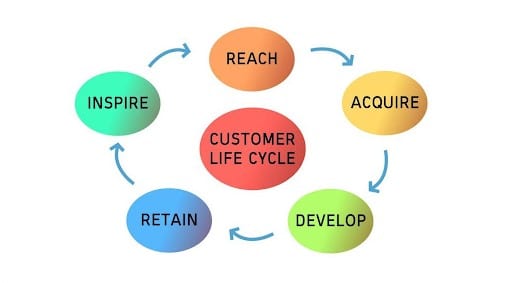
- Taxa de Conversão de Teste para Pago: Mede a porcentagem de usuários em teste que migram para uma assinatura paga.
Se o seu total conversão a taxa é de 15%, mas a análise mostra que o grupo ‘Agências’ inclui usuários que convertem a 25%, você pode considerar redistribuir os recursos de marketing e sucesso para focar em atrair e atender melhor o grupo de agências.
- Pontuação de Engajamento no Onboarding (OES) / Ativação: é a medição da realização de certas etapas chave que levam ao “Momento Aha!”. Uma ferramenta de orientação in-app, como o Userpilot, pode ser utilizada para criar uma lista de verificação rastreável. A equipe de sucesso do cliente deve interagir com os usuários que encontram desafios ao realizar uma tarefa, por exemplo, ‘Conectar API de terceiros’.
Proativo, rastreável integração liderado por agentes de Sucesso é mais eficaz do que o suporte reativo. Garanta que o fluxo de integração reflita a jornada única para diferentes segmentos de usuários.
Checklist Gratuito de Métricas de Sucesso do Cliente SaaS
Domine o sucesso do cliente e impulsione a receita de retenção agora.
-
Passos para configurar seu modelo CHS
-
Fórmulas para LTV, NRR e Taxa de Churn
-
Métricas mapeadas para as etapas de Onboarding e Expansão
-
Técnicas de gestão de risco
Implemente a Pontuação de Saúde do Cliente Proativa (CHS)
A CHS apresenta uma perspectiva abrangente sobre o risco ou potencial de um cliente, orientando a intervenção do CSM antes que os problemas se tornem significativos.
- Crie um modelo de pontuação ponderada usando 4-6 métricas de entrada (ex.: Utilização do Produto 40%, NPS 10%, Tickets de Suporte 20%, Status de Faturamento 30%).
-
- Cálculo: O valor total de ação para um usuário é (Pontuação de Impacto) $\times$ (Frequência de Ação). Some esses valores para obter o CHS.
- Definição da Escala: Defina faixas claras e orientadas para a ação:
- Vermelho (0-40, Doente/Alto Risco): É necessária intervenção imediata e de alto contato do CSM. Acione uma notificação para o CSM para uma revisão da conta.
- Amarelo (41-70, Um Tanto Saudável): Orientação automatizada por e-mail/no aplicativo visando lacunas de conhecimento conhecidas.
- Verde (71-100, Muito Saudável): Monitoramento de baixo contato.
- Próspero (100+, Usuário Avançado): Marque para Receita de Expansão oportunidades.
Um cliente B2B tem 3 tickets de suporte neste mês (Vermelho no Suporte), mas o produto é ativamente utilizado (Verde no Uso). O CHS deles é Amarelo. O CSM é informado sobre os temas dos tickets; se todos os tickets estiverem relacionados à integração, o CSM agenda uma chamada para explicar a integração e evitar o churn baseado em irritação.
Checklist Gratuito de Métricas de Sucesso do Cliente SaaS
Domine o sucesso do cliente e impulsione a receita de retenção agora.
-
Passos para configurar seu modelo CHS
-
Fórmulas para LTV, NRR e Taxa de Churn
-
Métricas mapeadas para as etapas de Onboarding e Expansão
-
Técnicas de gestão de risco
Coletar e Agir sobre Métricas de Experiência do Cliente e Retenção
Estas métricas informam ajustes contínuos e afetam a lealdade de longo prazo e os resultados de receita.
- Net Promoter Score (NPS): Mede o sentimento e a advocacia.
|
NPS = (% de Promotores) – (% de Detratores) |
Ao receber uma pontuação, o CSM deve fazer o acompanhamento com base na categoria:
-
- Detratores (0-6): Chamada de alta prioridade em 24 horas para resolver o problema e evitar o churn.
- Passivos (7-8): Ofereça valor direcionado (por exemplo, um tutorial sobre um recurso complexo) para impulsioná-los para a categoria “Promotor”.
- Promotores (9-10): Peça indicações ou participação em estudo de caso, transformando a lealdade em marketing boca a boca.
- Custo de Retenção de Cliente (CRC): Mede o investimento financeiro necessário para manter um cliente.
Se a relação LTV:CRC é baixa (por exemplo, 2:1), a empresa está gastando muito com retenção em relação à receita obtida. Procure por eficiências de custo, como a implementação de uma base de conhecimento de autoatendimento para reduzir os custos de suporte.
- Expansão e Contração de Contas. Se uma Contração ocorra (cancelamento de um complemento), o CSM deve fazer contato imediatamente. Demonstrar a funcionalidade completa do recurso pode permitir que o CSM aborde uma potencial diminuição no uso e explore expansão opções.
Conclusão
A chave para medir o sucesso do cliente em SaaS é definir e medir o sucesso do cliente métricas relacionadas a receita, saúde da conta e experiência do cliente, usando pesos e fórmulas apropriados. Essas métricas permitem que as empresas observem potenciais problemas e áreas para expansão.
Ao coletar regularmente informações sobre importantes variáveis de métricas de sucesso do cliente SaaS como NRR, CHS, e taxa de rotatividade, as empresas podem identificar problemas potenciais ou oportunidades de crescimento. A incorporação desses KPIs de sucesso do cliente e agir sobre as informações coletadas transforma-se em um documento vivo que aumenta a receita, melhora Retenção de clientes, e otimiza constantemente a experiência do produto e do cliente.
Perguntas frequentes
-
A métrica operacional mais importante é a Taxa de Churn de Clientes, já que este é o principal trabalho da equipe de CC: evitar que os clientes saiam e eliminar as razões para a saída dos clientes. Essa taxa é diretamente dependente da eficácia das estratégias de retenção e da capacidade da organização de se manter estável.
-
A Taxa de Churn é uma métrica de gestão que mede a extensão da rotatividade de clientes com base num período de tempo específico. O NRR é uma métrica de crescimento que mede a percentagem de receita retida e gerada a partir de clientes existentes, considerando tanto as perdas quanto a expansão/upsells.
-
Atingir um NRR superior a 100% é favorável e garante um crescimento positivo na receita do cliente. Isso implica que o aumento de receita de clientes existentes (upsells) compensa a diminuição de receita resultante de churn e downgrades (churn negativo).
-
O CHS é derivado de uma operação matemática que incorpora várias informações do cliente. Exemplos de entradas são o número de vezes que um produto é usado, o número de tickets de suporte abertos e o sentimento do cliente (NPS/CSAT).
-
O NPS mede a lealdade do cliente e a disposição de recomendar um produto ou serviço, ambos os quais influenciam diretamente o crescimento de uma empresa e o marketing boca a boca. As equipes de CS utilizam o feedback dos Detratores (pontuação de 0 a 6) para abordar reclamações e melhorar o relacionamento a longo prazo.
Pronto para começar?
Nós já estivemos onde você está. Vamos compartilhar nossos 19 anos de experiência e tornar seus sonhos globais realidade.



 Português
  English
  Español
  Português do Brasil
  Français
  Italiano
  Deutsch
  Nederlands
  Polski
  Română
  Українська
  简体中文
简体中文  日本語
日本語  한국어
한국어