
Pagamentos SaaS
O que é Pagamento Dividido SaaS?
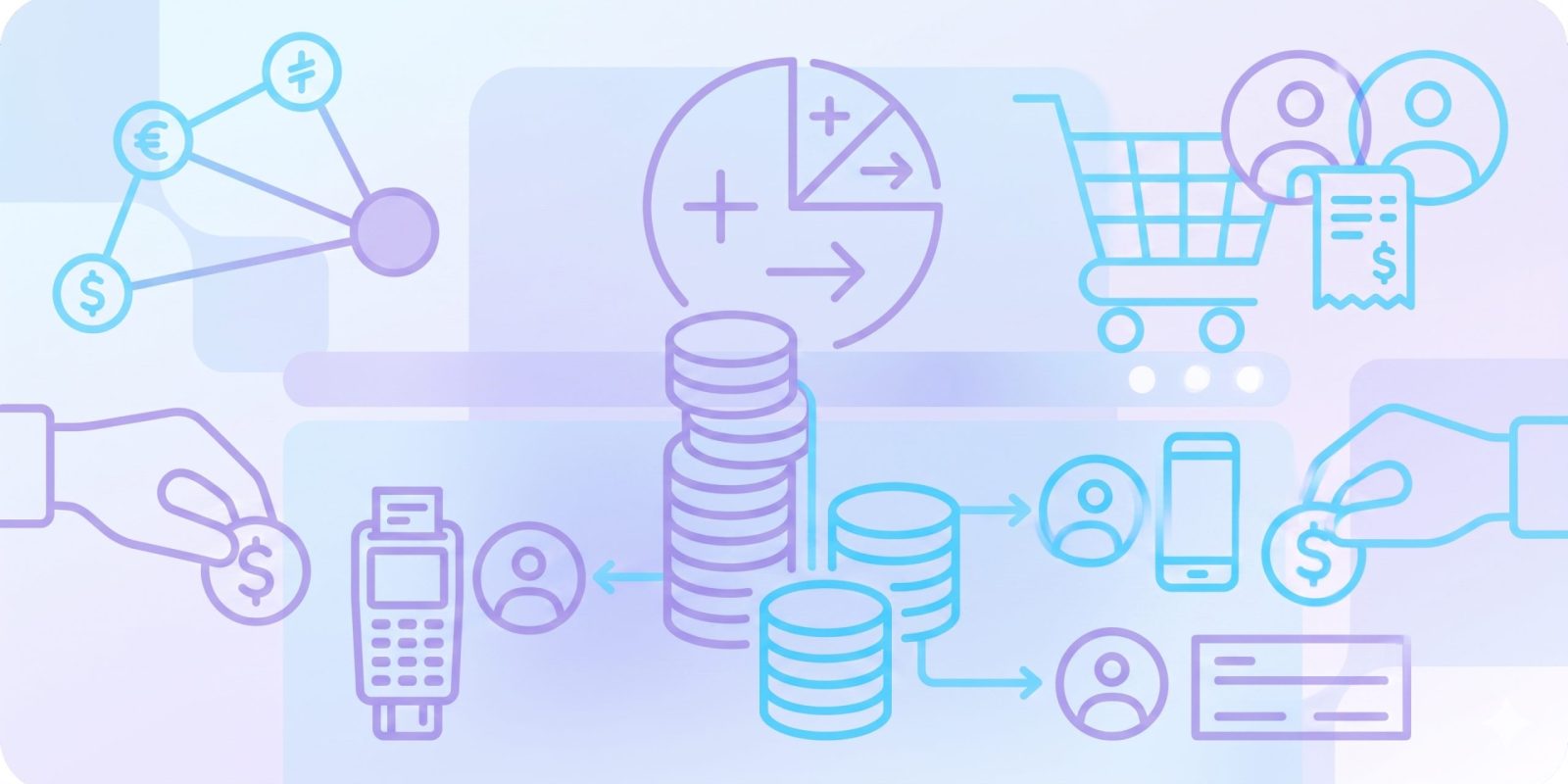
O que é Pagamento Dividido SaaS?
Em um cenário de marketplace ou plataforma SaaS, um pagamento dividido significa que uma única transação de checkout do cliente é dividida em vários segmentos, direcionados a diferentes partes. Em vez de acumular a soma total na conta de um único comerciante para posterior distribuição manual, o gateway de pagamento facilita o roteamento de financiamento dividido entre várias partes diretamente durante a transação.
Este mecanismo de cobrança automática é a espinha dorsal da lógica operacional por trás das redes digitais B2B e B2C atuais. O software de pagamento é projetado para separar as taxas de operação da plataforma da receita do fornecedor no marketplace antes do acerto final.
Por que o Pagamento Dividido é importante para marketplaces e plataformas SaaS?
Plataformas contemporâneas de assinatura e multivendor dependem muito do roteamento de financiamento dividido para escalar as suas operações. As plataformas podem utilizar roteadores, o que pode influenciar a carga de trabalho administrativa da plataforma. Esta configuração calcula as taxas da plataforma e as cobra. Esta ação tem o potencial de afetar tanto as margens de lucro bruto quanto o volume de tarefas contábeis.
Esta arquitetura financeira está associada ao nível de risco regulatório da empresa de software. Ao adotar um modelo direto de roteamento multipartidário, a principal plataforma SaaS não se envolve em manusear ou reter fundos de terceiros.
Como funcionam os Pagamentos Divididos em um negócio SaaS?
Os princípios operacionais do roteamento multipartidário baseiam-se em APIs automatizadas iniciadas assim que um cliente finaliza a compra. O usuário final, ao realizar uma transação, é atendido pelo motor integrado, que processa as informações de pagamento através de várias camadas de processamento em sequência:
- Roteamento Multipartidário: O gateway de transações principal analisa os metadados da compra para identificar fornecedores e o anfitrião da plataforma instantaneamente.
- Distribuição de Taxas: O programa calcula a comissão exata da plataforma, creditando a conta da plataforma com a taxa e transferindo simultaneamente o restante para o fornecedor externo.
- Tratamento de Reembolsos: Se um usuário solicitar um reembolso, o sistema aplica a lógica inversa de alocação, deduzindo os valores respectivos tanto do saldo do fornecedor quanto da tesouraria da plataforma.
Quais são as desvantagens e os desafios dos Pagamentos Divididos?
O faturamento multiparte é uma abordagem extremamente eficaz; no entanto, há desafios claros encontrados de uma perspectiva de engenharia e financeira. Realizar uma multiplicidade de pagamentos multiparte exige um alto nível de capacidade técnica para evitar interrupções operacionais.
|
Desafio |
Impacto na Plataforma SaaS |
|
Taxas |
A separação das taxas de intercâmbio ou custos fixos dos processadores de pagamento em cada segmento da divisão pode correlacionar-se com mudanças nas margens de microtransações. |
|
Reembolsos |
Clawbacks disparam modificações nas contas financeiras, que podem correlacionar-se com os saldos dos fornecedores e seu status em relação a um saldo zero. |
|
Sobrecarga Técnica |
A construção e o teste de exceções de API robustas, o tratamento de falhas parciais e a manutenção de registros contábeis precisos demandam longas horas de engenharia. |
Como implementar um Sistema de Pagamentos Divididos?
- Opte por APIs comprovadas de nível empresarial para reduzir a necessidade de medidas de segurança personalizadas.
- Unificar os formatos de webhook para que os estados de transações atômicas e multi-etapas possam ser monitorados em todos os pontos de extremidade em tempo real.
- Reservar uma conta separada para garantir chargebacks como a principal forma de evitar saldos negativos para o comerciante.
- Como parte do primeiro onboarding de fornecedor, uma verificação KYC automatizada deve ser aplicada para prevenir fraudes na rede.
A decisão: Preciso de uma infraestrutura de Pagamentos Divididos?
A seguir estão perguntas analíticas críticas que podem ajudá-lo a identificar se sua empresa precisa de uma infraestrutura de roteamento de múltiplas partes de roteamento:
- Nosso ambiente de software pode suportar transações diretas entre fornecedores terceirizados e clientes finais?
- Os recursos internos estão atualmente alocados para o processamento manual de pagamentos e a conciliação de livros-razão todos os meses?
Conclusão
A integração de pagamentos divididos em plataformas digitais facilita transações financeiras complexas envolvendo diversas partes. O uso de motores de roteamento programático por plataformas de software pode impactar processos contábeis manuais e a conformidade com leis de pagamento internacionais.
Pronto para começar?


 Português
  English
  Español
  Português do Brasil
  Français
  Italiano
  Deutsch
  Nederlands
  Polski
  Română
  Українська
  简体中文
简体中文  日本語
日本語  한국어
한국어