
Gestão financeira
O que é a Gestão de Capital de Giro SaaS?
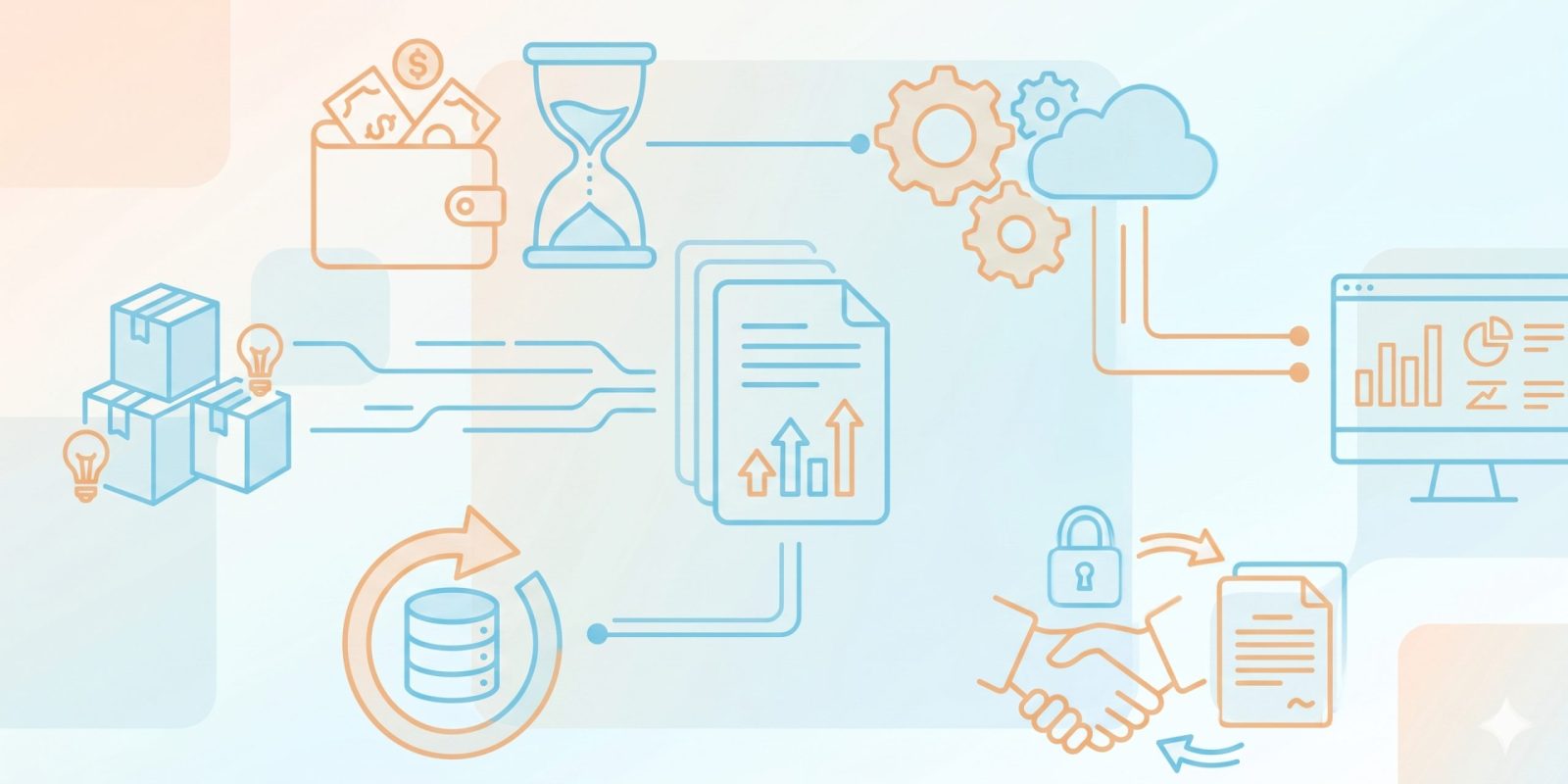
O que é a Gestão de Capital de Giro SaaS?
A prova social é uma tática psicológica popular em que as pessoas consideram o feedback e as impressões dos usuários para tomar diferentes decisões de compra.
As empresas de SaaS usam a prova social para demonstrar que seus produtos oferecem experiências positivas e atendem às necessidades dos usuários.
Construir confiança é fundamental para os negócios de SaaS, pois os clientes buscam soluções de longo prazo em vez de compras únicas.
Quais são os 4 Componentes do Capital de Giro SaaS?
Empresas de assinatura gerenciam a liquidez de curto prazo equilibrando quatro elementos contábeis. Cada um está relacionado a quanto tempo a organização pode continuar operando.
- Caixa e Equivalentes de Caixa: Dinheiro diretamente reservado para desenvolvimento de software, pagamento da equipe e manutenção dos servidores online.
- Contas a Receber (AR): Receita registrada de clientes corporativos, mas ainda não recebida porque compraram licenças a crédito.
- Contas a Pagar (AP): As contas imediatas a pagar a fornecedores, agências de marketing ou fornecedores de tecnologia.
- Receita Diferida: Dinheiro recebido antecipadamente de clientes antes que o serviço seja entregue gradualmente ao longo do contrato.
Os casos de negócio conectam essas peças nas operações do dia a dia. Por exemplo, os pré-pagamentos de clientes em uma plataforma de colaboração empresarial se conectam com a folha de pagamento da engenharia. Ou um provedor de armazenamento em nuvem usa seus termos de contas a pagar para que os custos de infraestrutura se alinhem após a liquidação das faturas de crédito empresarial.
Como o Modelo de Assinatura Afeta as Métricas de Capital?
O modelo de assinatura envolve ajustes padrão nos padrões do ciclo de conversão de caixa devido a faturamentos antecipados combinados com valores de contrato e registrados como passivos. Quando uma empresa obtém pagamentos antecipados de clientes que cobrem um ano ou mais, as contas registram o movimento de caixa naquele momento. A receita diferida é registrada ao mesmo tempo. Este arranjo se conecta a um ciclo de capital de giro, onde os fundos dos clientes se ligam a várias atividades corporativas dentro dele.
Um caso surge em uma aplicação de rastreamento de fitness para clientes comerciais. A empresa coleta subscrições de plataforma antecipadas numa base anual antes do início da entrega. Esse processo associa elementos financeiros ao grupo de clientes e registra um ajuste imediato às estruturas de crédito. O balanço de ativos exige que as equipes examinem múltiplos fatores da empresa durante verificações estratégicas de rotina:
- Proporção dos faturamentos de contratos anuais em comparação com contratos mensais pay-as-you-go.
- Cronograma de cobranças estruturais listado para saldos de contas a receber de grandes empresas.
- Cronogramas de pagamento contratuais observados em acordos com fornecedores de infraestrutura.
Como Prever as Necessidades de Capital de Giro?
O planejamento de liquidez aplica um modelo de previsão contínua para projetar alocações de caixa ao longo de períodos definidos. As equipes financeiras aplicam janelas de tempo separadas para gerenciar diversos itens operacionais:
- Horizonte de 3 meses: Registra custos de curto prazo, incluindo pagamentos a fornecedores, ciclos de folha de pagamento e custos de escalabilidade de infraestrutura.
- Horizonte de 6 meses: Registra as taxas de aquisição de clientes, juntamente com ajustes de pipeline e atividades de marketing agendadas.
- Horizonte de 12 Meses: Lista os cronogramas estratégicos de produtos em relação às estimativas de pessoal e revisões da estrutura de capital com base em dados de caixa.
|
Métrica de Previsão |
Principal Vantagem Operacional |
Potencial Desafio de Implementação |
|
Ciclo de Caixa Rotativo de 3 Meses |
Apoia o fluxo de caixa de curto prazo e organiza os pagamentos semanais a fornecedores. |
Conecta roteiros de produtos de longo prazo com os recursos de caixa disponíveis. |
|
Projeção de Capital para 12 Meses |
O processo utiliza o rastreamento e a modificação contínuos de dados contábeis. |
Sujeito a flutuações de mercado e a fatores de churn de clientes em constante mudança. |
É Necessário Otimizar a Minha Estrutura de Capital de Giro?
Líderes corporativos revisam as práticas de liquidez verificando alguns indicadores internos de desempenho. Pergunte à sua equipe de gestão: Que parcela da folha de pagamento rotineira é financiada por linhas de crédito em um determinado trimestre? Como os períodos de cobrança de contas corporativas se alinham aos cronogramas de desenvolvimento de produtos? Notar padrões nessas áreas pode direcionar as equipes para uma análise mais aprofundada das métricas de capital de curto prazo como uma etapa estratégica. As organizações geralmente priorizam certos fatores operacionais neste processo:
- Padrões nas taxas de retenção de clientes registradas em períodos recentes e a estabilidade aparente dessas taxas.
- Duração dos ciclos de vendas medida tanto em negócios de médio porte quanto em níveis empresariais.
- Níveis de desempenho diários na cobrança, juntamente com o tratamento de contas a receber.
Como Implementar Práticas de Gestão de Capital?
Para entender o conceito abrangente, pense na liquidez operacional como a linha de combustível que alimenta um motor; mesmo um motor excepcionalmente potente irá parar se o fluxo de combustível permanecer irregular ou restrito. As práticas são implementadas uma vez que incentivos de desempenho são criados para as equipes de vendas. A direção muda para pagamentos anuais antecipados e se afasta das estruturas de faturamento mensais. Além disso, as divisões financeiras se engajam na automação em torno do acompanhamento de contas a receber. A negociação sobre prazos de pagamento estendidos ocorre com grandes fornecedores não-críticos. A gestão de capital corporativo tem relação com os requisitos de financiamento externo e os múltiplos de avaliação durante futuras captações de capital de investimento, formando outra parte desse cenário.
Quais são os Benefícios de uma Gestão Robusta de Capital de Giro?
Empresas de assinatura gerenciar estruturas fiscais de curto prazo. Fatores operacionais são revisados. A atividade do ciclo de conversão de caixa geralmente reduz necessidades de financiamento externo. Primeiro, as reservas de caixa internas são registradas junto à direção de crescimento. Em seguida, a diluição de capital ou a dependência de dívida são registradas junto ao formulário do balanço.
Compradores corporativos e investidores institucionais observam as abordagens de gestão de capital ao revisar empresas. As operações registram geração de caixa em vez de consumo. Este registo corresponde a melhores múltiplos de avaliação que surgem para organizações SaaS em aumentos de capital institucional ou atividades de M&A.
Conclusão
Os ativos de capital de curto prazo relacionam-se com o crescimento de empresas de software de formas específicas. As empresas passam pelo processo de equilibrar saldos de caixa com cobranças, juntamente com passivos de receita diferida. Estas dinâmicas financeiras internas conectam-se às avaliações corporativas e aos resultados operacionais ao longo do tempo.
Pronto para começar?


 Português
  English
  Español
  Português do Brasil
  Français
  Italiano
  Deutsch
  Nederlands
  Polski
  Română
  Українська
  简体中文
简体中文  日本語
日本語  한국어
한국어