
Estratégias de crescimento
What is SaaS DTC growth?
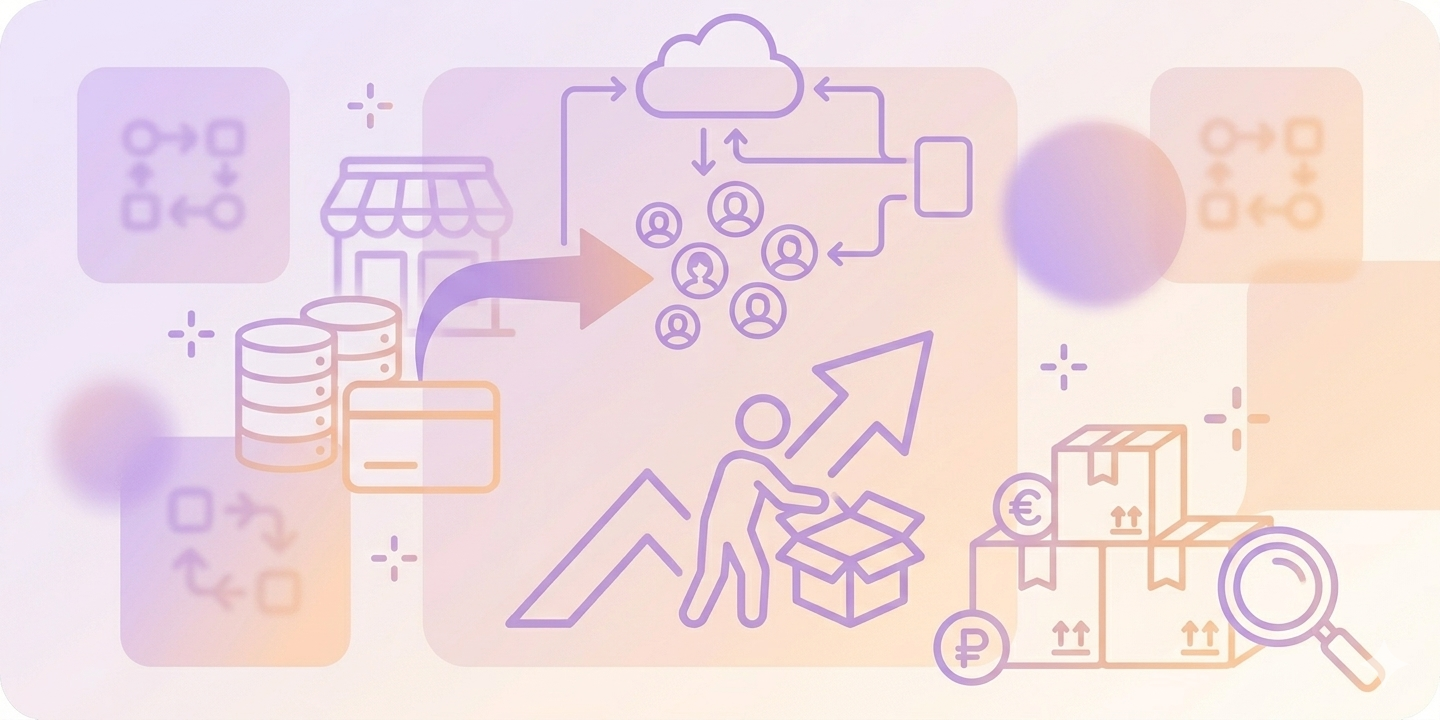
What is SaaS DTC growth?
SaaS direct-to-consumer (DTC) is a business model in which software-as-a-service providers sell cloud-based applications directly to individual end users through their own digital channels, rather than through enterprise procurement processes or third-party resellers. In this model, users typically find, try, and buy the software on their own through a self-service process.
How does the SaaS DTC business model work?
In a SaaS DTC model, the provider offers software to users through its own digital channels. The product is introduced and used through the interface rather than through a standard sales process.
- Self-Service Onboarding: Users create an account and access the tool on their own; a sales representative demo is not a necessary part of this process.
- Integrated Digital Payments: Billing systems manage monthly or annual subscriptions, often with a freemium or trial option.
- Owned Distribution: The company distributes the product through its website, social platforms, or app listings instead of a distributor network.
- Direct Support: The provider handles the customer lifecycle and uses direct data to provide support through automated or human assistance.
How does the DTC approach fundamentally differ from traditional retail?
The main difference between DTC and traditional retail lies in who owns the customer relationship and the data. In a traditional retail or “channel” model, a software company sells licenses to a middleman, such as a retailer or a Value-Added Reseller, who then sells to the end user. As a result, the software creator typically receives product usage information through the intermediary rather than directly from the user.
|
Recurso |
Traditional Retail / Channel |
SaaS Direct-to-Consumer (DTC) |
|
Primary Contact |
Third-party reseller or retail store |
The software creator/brand |
|
Propriedade dos Dados |
Controlled by the intermediary |
Owned entirely by the software provider |
|
Sales Velocity |
Longer cycles (weeks or months) |
Instant (minutes) |
|
Margem de Lucro |
Shared with distributors |
100% retained by the brand |
What are the key benefits of the DTC model?
The DTC model involves using user data in the product update process. With a direct connection to users, teams identify where friction occurs and carry out product revisions over shorter development cycles in place of annual feedback.
For many modern software startups, the approach usually aligns with the investments. While you must account for the full cost of marketing and customer support, the profit margins e taxas de rotatividade, shaped by a data-informed user experience, are elements that factor into Valor da Vida Útil do Cliente (LTV) ao longo do tempo.
What are the most actionable tips for starting a new DTC channel?
Launching a DTC channel involves a shift from “selling” to “supporting.” Here are four practical strategies for a start:
- Time to Value: Structure onboarding so users can reach an initial point of product use within the first few minutes after signup.
- Diverse Payment Infrastructure: Integre métodos de pagamento localizados (like digital wallets, “Buy Now, Pay Later” options, or regional bank transfers) to reduce cart abandonment and cater to global buyer preferences.
- Sucesso do cliente: Use in-app guidance and automated email sequences during the trial period.
- Remove Friction at Finalizar compra: Use one-click payment options and clear pricing tables for the checkout process.
How can subscriptions and proactive retention drive growth?
In a DTC environment, growth depends on both acquisition and retention. A modelo baseado em assinatura is one way to structure recurring billing, and it can be connected to a retention process that monitors user activity over time.
A proactive retention process includes tracking “health scores” – data points that reflect how often a user logs in. If activity declines, the system can send a re-engagement email or share a personalized tutorial. This can be part of ongoing revenue management.
- Escalabilidade: Can your server infrastructure support 1,000 new direct sign-ups in a single day?
- Conformidade Global: Are you ready to handle VAT, sales tax, and GDPR requirements for users in different countries?
- CAC vs. LTV: Is the cost to acquire one customer (CAC) lower than the total profit they generate over their lifetime (LTV)?
Conclusão
SaaS DTC is a business model that connects software creators and users directly, with a focus on data access, margin structure, and growth patterns. Brands may use a defined user journey and retention processes over time.
Pronto para começar?


 Português
  English
  Español
  Português do Brasil
  Français
  Italiano
  Deutsch
  Nederlands
  Polski
  Română
  Українська
  简体中文
简体中文  日本語
日本語  한국어
한국어