
Segurança na Nuvem
O que é o Modelo de Responsabilidade Compartilhada de Segurança na Nuvem?
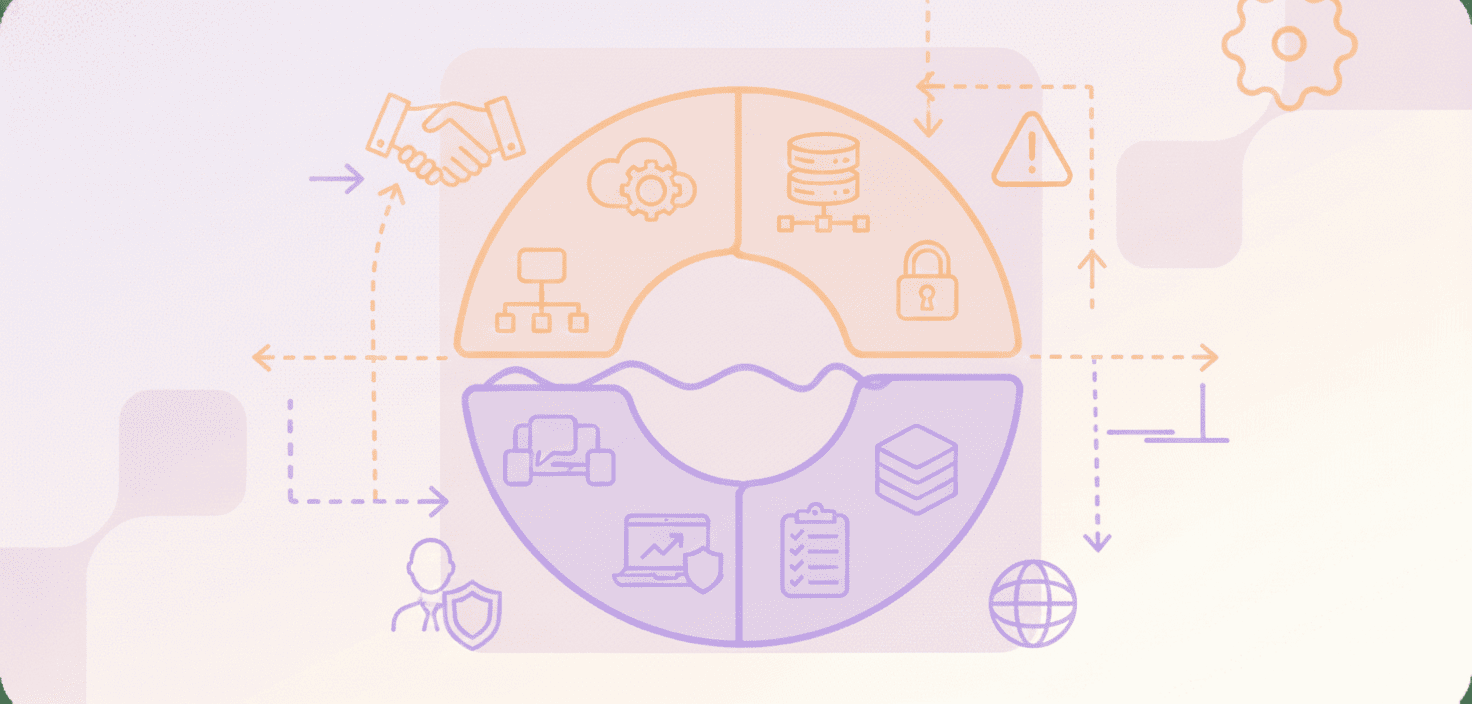
O que é o Modelo de Responsabilidade Compartilhada de Segurança na Nuvem?
O Modelo de Responsabilidade Compartilhada de Segurança na Nuvem define as responsabilidades de segurança dos provedores de serviços em nuvem (CSPs) e de seus clientes.
Afirma que, embora o Provedor de Serviços em Nuvem (CSP) seja responsável pela segurança da nuvem, o cliente é responsável por proteger as aplicações e os dados hospedados na nuvem.
Este modelo esclarece as responsabilidades tanto do CSP quanto do cliente e promove segurança e conformidade eficazes na nuvem.
Se os princípios deste modelo não forem compreendidos e aplicados, várias lacunas de segurança podem se acumular e levar a violações de dados.
O que é o Modelo de Responsabilidade Compartilhada de Segurança na Nuvem?
A prova social é uma tática psicológica popular em que as pessoas consideram o feedback e as impressões dos usuários para tomar diferentes decisões de compra.
As empresas de SaaS usam a prova social para demonstrar que seus produtos oferecem experiências positivas e atendem às necessidades dos usuários.
Construir confiança é fundamental para os negócios de SaaS, pois os clientes buscam soluções de longo prazo em vez de compras únicas.
Como funciona o Modelo de Responsabilidade Compartilhada na segurança da nuvem?
O Modelo de Responsabilidade Compartilhada aloca a responsabilidade pela segurança e conformidade ao provedor de serviços em nuvem (CSP) e ao cliente. É o CSP que assume a responsabilidade pela segurança da nuvem, que inclui:
- Infraestrutura
- hardware
- software de serviço em nuvem
- implementação de medidas de segurança para proteger contra ameaças como ataques DDoS e vulnerabilidades na plataforma em nuvem
Em contraste, o cliente é responsável pela segurança na nuvem, incluindo:
- dados
- aplicativos
- gestão de identidade e acesso
- sistemas operacionais, dependendo do modelo de serviço em uso.
Como a responsabilidade pela segurança difere entre IaaS, PaaS e SaaS no Modelo de Responsabilidade Compartilhada?
No Modelo de Responsabilidade Compartilhada, a divisão das tarefas de segurança varia significativamente entre Infraestrutura como Serviço (IaaS), Plataforma como Serviço (PaaS)e Software como Serviço (SaaS).
|
Modelo |
Responsabilidades de segurança |
|
Infraestrutura como Serviço (IaaS) |
oferece o maior controle, com o provedor gerenciando a infraestrutura e o cliente responsável por todo o resto |
|
Plataforma como Serviço (PaaS) |
transfere alguma responsabilidade para o provedor, cobrindo sistemas operacionais e middleware, deixando o cliente responsável por aplicativos e dados |
|
Software como Serviço (SaaS) |
oferece a menor quantidade de controle, com o provedor cuidando da maioria dos aspectos, e o cliente sendo responsável pelos dados do sistema e pelo gerenciamento de acesso do usuário. |
Que ferramentas estão disponíveis para ajudar os clientes a gerenciar suas responsabilidades de segurança na nuvem dentro do Modelo de Responsabilidade Compartilhada?
Existem muitas ferramentas disponíveis para ajudar as pessoas a realizar suas tarefas de segurança na nuvem, incluindo:
- soluções de gerenciamento de identidade e acesso (IAM) para controlar o acesso do usuário,
- scanners de vulnerabilidade para identificar vulnerabilidades em aplicações e infraestrutura
- sistemas de gerenciamento de informações e eventos de segurança (SIEM) para detecção de ameaças e resposta a incidentes.
Provedores de nuvem também fornecem:
- Firewalls
- Criptografia
- Ferramentas DLP para segurança aprimorada.
Essas ferramentas precisam ser configuradas e usadas corretamente para alcançar uma segurança eficaz na nuvem.
Como o Modelo de Responsabilidade Compartilhada impacta a postura de segurança na nuvem de uma organização?
O Modelo de Responsabilidade Compartilhada mudou Segurança na Nuvem ao separar as operações de segurança entre o provedor de nuvem e o cliente. Ter uma compreensão sólida deste conceito é essencial para alcançar e manter uma posição segura.
Este modelo:
- minimiza a sobrecarga ao transferir a segurança da infraestrutura para o provedor
- permite que as empresas SaaS se concentrem na segurança de seus dados e aplicativos
- oferece aos provedores de nuvem a opção de atribuir recursos de segurança adicionais e expertise
No entanto, o modelo de responsabilidade compartilhada pode levar a um aumento da confusão e a lacunas de segurança se os papéis e responsabilidades não forem compreendidos pelas partes envolvidas.
Além disso, as organizações SaaS podem se ver dependendo mais dos processos de segurança da infraestrutura do provedor de nuvem.
Monitore e adapte continuamente seus controles de segurança.
Conclusão
O Modelo de Responsabilidade Compartilhada de Segurança na Nuvem define claramente as responsabilidades dos provedores de nuvem e dos clientes em termos de segurança na nuvem. Este modelo deve ser bem compreendido, e as fraquezas nas políticas de segurança devem ser eliminadas através de melhoria contínua, permitindo que as organizações se sintam seguras em relação à complexidade da segurança na nuvem e à proteção de seus ativos.
Pronto para começar?


 Português
  English
  Español
  Português do Brasil
  Français
  Italiano
  Deutsch
  Nederlands
  Polski
  Română
  Українська
  简体中文
简体中文  日本語
日本語  한국어
한국어