
Metrici și KPI SaaS
Ce este venitul marginal SaaS?
Ce este venitul marginal SaaS?
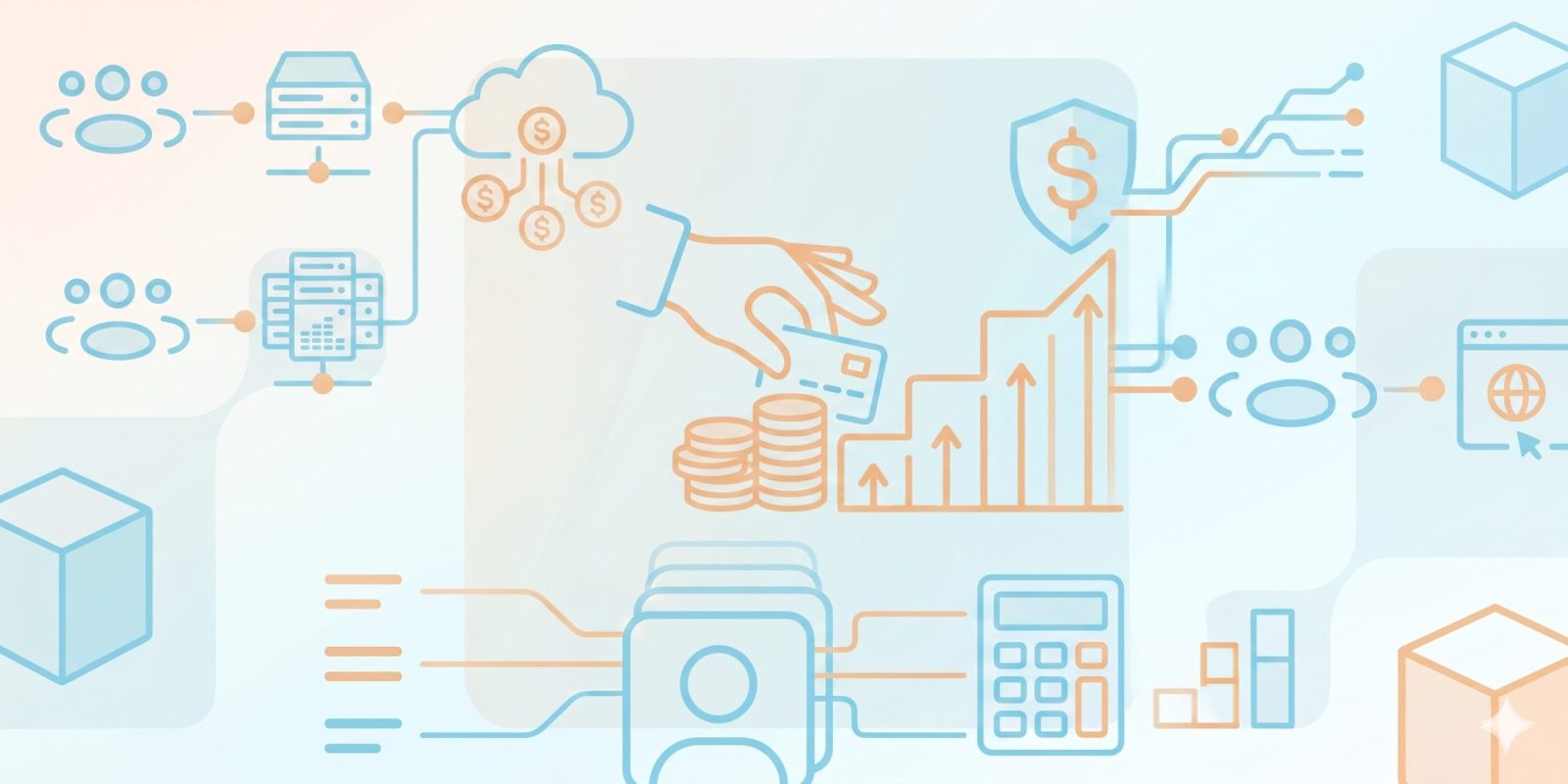
Venitul marginal SaaS reprezintă venitul suplimentar pe care o companie SaaS îl obține prin vânzarea unui abonament suplimentar sau a unei unități de expansiune. Acest lucru reprezintă un proces prin care companiile pot varia punctele de preț, pot evalua rezultatele vânzărilor și pot anticipa intrările de numerar pe parcursul unor intervale distincte.
Ce face ca venitul marginal SaaS să fie diferit de modelele de produse tradiționale?
Costurile marginale pentru companiile de producție clasice, cum ar fi cele legate de materii prime, muncitori din fabrică și distribuție, sunt adesea un factor de luat în considerare în timpul producției. Prin urmare, venitul lor marginal trebuie să depășească continuu curba costurilor în schimbare pentru ca acestea să rămână profitabile.
Pe de altă parte, industria software se bazează pe o economie cu costuri marginale aproape zero. Compania își poate construi o dată nucleul software, dar găzduirea și vânzarea unei alte licențe de utilizator abia costă producția.
Ca urmare, un procent mare din venitul marginal digital se reflectă adesea în profitul brut, ceea ce poate influența viteza și eficiența cu care cresc companiile de software.
Cum este formula venitului marginal adaptată pentru prețurile de abonament SaaS?
Venitul marginal este determinat în modelele economice convenționale ca raportul dintre modificarea venitului total și modificarea cantității totale vândute. Cu toate acestea, schema de prețuri bazată pe abonament necesită o modificare fundamentală a acestei formule, deoarece venitul este recunoscut continuu prin Monthly Recurring Revenue (MRR) sau Annual Recurring Revenue (ARR).
În acest sens, liderii pot lua în considerare diverse surse de venituri recurente (nu doar achiziția de clienți noi-nouți). Această modificare consolidează trei elemente tranzacționale: abonamente de la clienți noi, upsell-uri/cross-sell-uri care afectează veniturile de expansiune, și anulările de abonamente care influențează rata de churn sau veniturile negative. Așadar, abordarea actuală a industriei software este de a monitoriza modificările nete ale valorii contractuale recurente în funcție de momentul exact al modificărilor contului.
De ce este venitul marginal important pentru stabilirea prețurilor SaaS și maximizarea profitului?
Monitorizarea variațiilor minore poate fundamenta deciziile companiilor de software referitoare la abordările de venituri și prețuri, utilizând datele disponibile. Conform economiei clasice, o afacere își maximizează profiturile atunci când venitul marginal atinge costul marginal, un moment de echilibru. Pe măsură ce costurile de distribuție a software-ului se apropie de zero, întreprinderile de software pot modifica prețurile drastic pentru a atrage clienți, menținând în același timp marjele brute.
- Analiza pachetelor pe niveluri: Identifică nivelurile de utilizatori sau caracteristicile asociate cu creșterea veniturilor pe vânzare.
- Stabilirea Marjelor de Reducere: Echipa de vânzări își poate baza negocierile pe cât de mari pot fi reducerile fără a afecta profitabilitatea.
- Susținerea Intrării pe Piață: Reducerile de preț menite să atragă clienți enterprise pot fi evaluate în funcție de rezultatele lor financiare.
Software-ul de management de proiect poate dezvălui că lansarea unui instrument de raportare automată va convinge clienții enterprise actuali să cheltuiască mai mult; prin urmare, pot justifica o creștere a prețului în acel segment specific.
Cum aplicați analiza venitului marginal unui model de afaceri SaaS?
Implementarea acestui model financiar nu înseamnă doar măsurare, ci și diagnosticarea grupurilor de utilizatori, înțelegerea capacităților infrastructurii cloud și vizualizarea amplorii operațiunilor.
Liderii de întreprindere utilizează aceste rezultate pentru a fundamenta strategiile de creștere și a evalua viabilitatea produselor. Grupurile de lucru trebuie să adere la instrucțiuni prescrise, bine focalizate și să gestioneze sarcini bine definite cu compromisuri explicite pentru a atinge rezultate operaționale optime.
Abordări de luat în considerare pentru utilizarea produsului:
- Rețineți revizuirile pas cu pas ale contractelor, cu o frecvență lunară, pentru a putea recunoaște schimbările în comportamentul cumpărătorilor imediat ce au loc.
- Separare venituri din extindere din veniturile de la clienți noi permite o monitorizare distinctă a zonelor de creștere.
- Corelarea cheltuielilor de găzduire a infrastructurii cu etapele cheie ale utilizatorilor poate oferi date care indică costuri de distribuție relativ scăzute.
- Client varianța segmentului: Solicitările de modificări din partea clienților Enterprise, implicând frecvent ingineri, se pot corela cu fluctuațiile costurilor marginale.
- Dependențe de utilizare a produsului: Funcționalitățile intensive în date sau cele care utilizează AI se corelează cu costuri variabile de API și de calcul, ceea ce poate influența marjele.
Cum aplicați analiza venitului marginal unui model de afaceri SaaS (economie de software cu cost marginal aproape de zero)?
Succesul companiilor de software este conectat la economia costurilor marginale aproape zero. Atunci când un software este dezvoltat de un programator, costul inițial de cercetare și dezvoltare este fix și irecuperabil. Însă furnizarea acelui software unui milion de utilizatori va implica doar costuri minime de infrastructură; conceptul de volum și costuri de fabricație este legat.
|
+ |
– |
|
O creștere a volumului de utilizatori se poate lega de scalabilitate și marjă brută. |
Sunt necesare investiții inițiale semnificative și cheltuieli considerabile de C&D deja efectuate înainte de lansarea unui produs. |
|
Strategii de stabilire a prețurilor poate fi ajustat pentru a concura cu concurenții fizici, cu active mari. |
Concurența pe piață este puternică, iar barierele de intrare sunt scăzute pentru aplicațiile cu funcționalități similare. |
Concluzie
Venitul marginal în SaaS poate indica o relație potențială între rata vânzărilor și profitabilitate pentru companiile digitale. Firmele de software ar putea constata că ajustarea modelelor economice standard pentru a ține cont de variațiile contractelor recurente are un impact asupra economiei costului marginal aproape de zero, influențând potențial eficiența operațională la scară largă.
Ești gata să începi?


 Română
  English
  Español
  Português
  Português do Brasil
  Français
  Italiano
  Deutsch
  Nederlands
  Polski
  Українська
  简体中文
简体中文  日本語
日本語  한국어
한국어