
Strategii de stabilire a prețurilor
Ce este o Grilă de Prețuri SaaS?
Ce este o Grilă de Prețuri SaaS?
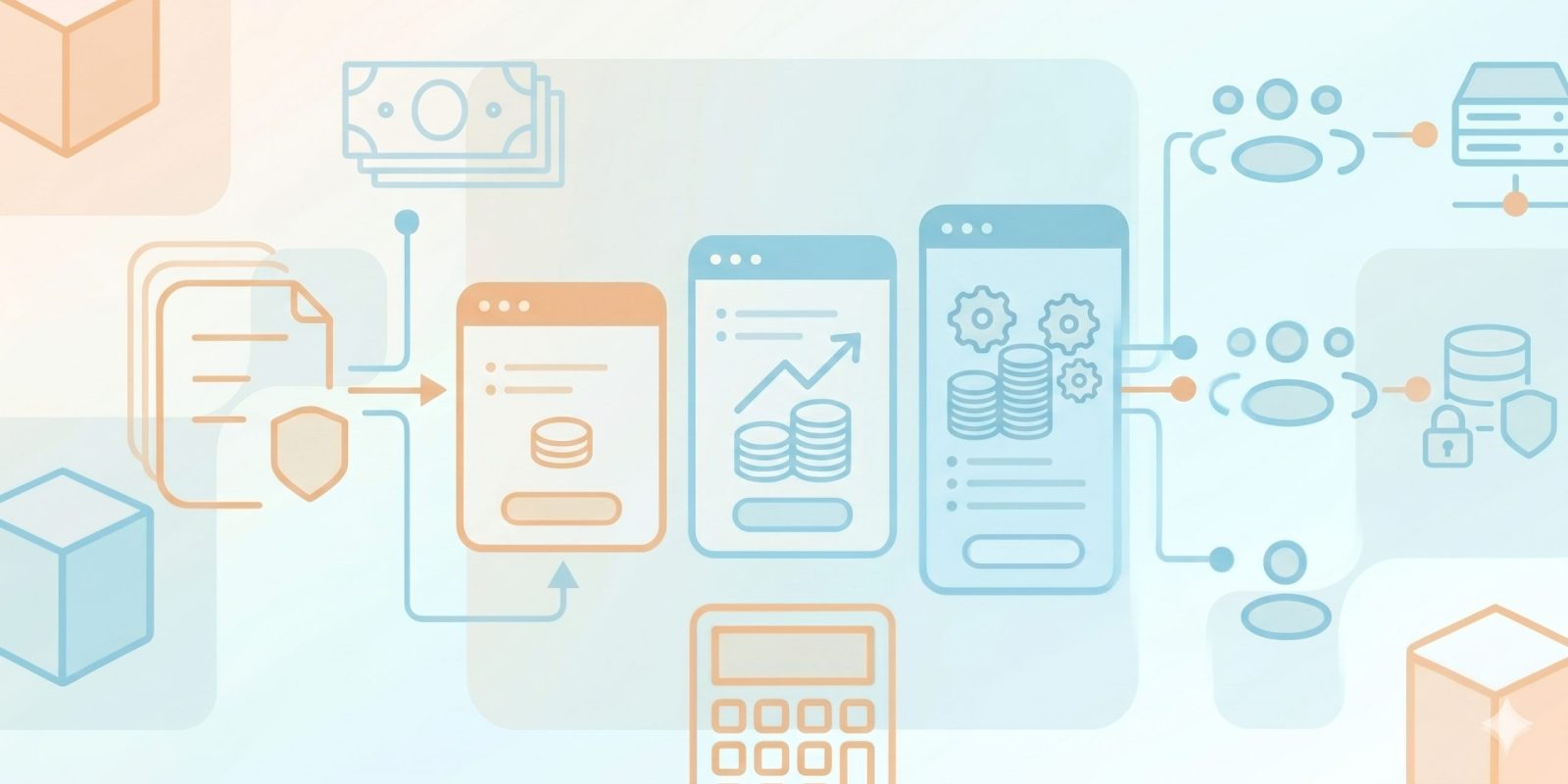
O grilă de prețuri SaaS este un document de afaceri care prezintă costurile standardizate, structura pe niveluri, termenii de licențiere și frecvențele de facturare ale unui produs software cloud. Echipele de vânzări utilizează în prezent acest document ca referință pentru oferte sau ca mijloc de comunicare pentru a menține coerența între părțile interesate. Acest document are ca scop standardizarea practicilor de vânzare, menținerea marjei de profit și facilitarea calculului rapoartelor Costului de Achiziție a Clienților (CAC).
Care sunt componentele cheie ale unei fișe de prețuri SaaS?
Grila de costuri a abonamentelor cloud oferă companiilor o resursă care conține informații cheie despre tranzacții, pe care clienții o consultă la plasarea comenzilor. Pentru a obține automat aceste date, echipele operaționale ale companiilor se bazează pe ele pentru a automatiza fluxurile de lucru. O grilă de prețuri SaaS ar trebui să conțină întotdeauna aceste elemente:
- Descrierea produsului și Structura pe niveluri: Aceasta explică în detaliu ce include fiecare pachet de abonament, seturile de funcționalități, SLA-urile și numărul maxim de utilizatori.
- Prețuri de bază și Unități de metrică: Acestea sunt prețurile implicite legate de unitățile de tarifare, cum ar fi prețul per utilizator, per nod sau metrici de volum API bazate pe utilizare.
- Taxe și impozite localizate: Acestea includ variabile de conformitate, calculul TVA-ului și ipoteze privind taxa pe vânzări în diverse locații geografice.
- Termeni și Condiții Contractuale: Acestea specifică durata contractului, condițiile de reînnoire automată, penalitățile de anulare și cât de des au loc ajustările (true-up-urile), printre altele.
Cum diferă o fișă de prețuri SaaS de o pagină de prețuri de marketing?
Deși paginile publice de prețuri atrag vizitatori interesați la începutul pâlniei de vânzări, fișele interne de prețuri SaaS sunt cele care se ocupă de încheierea vânzărilor. Paginile publice ale site-ului sunt concepute mai mult în beneficiul utilizatorilor, afișând structuri de prețuri simplificate și statice, împreună cu matrici generale de funcționalități. Pe de altă parte, fișele interne de prețuri înregistrează mecanisme tehnice subiacente, configurații ale nivelurilor de volum, dependențe între elementele de linie și limite de configurare foarte stricte.
|
Dimensiune Operațională |
Pagină Publică de Prețuri SaaS |
Foaie Internă de Prețuri SaaS |
|
Audiența Țintă Principală |
Potențiali clienți, vizitatori ai site-ului web și cercetători de piață. |
Manageri de cont interni, arhitecți de soluții și cumpărători. |
|
Nivelul de Complexitate al Datelor |
Designul încorporează rezumate la nivel înalt, text limitat și o interfață de utilizator simplificată. |
Articole detaliate, tabele de reduceri pentru volum și formule de calcul al taxelor. |
|
Flexibilitate de Negociere |
Niveluri fixe cu un apel la acțiune pentru oferte personalizate. |
Dinamic, indicând intervale pre-aprobate aplicabile structurilor personalizate de oferte. |
Cum se creează o grilă de prețuri SaaS pas cu pas?
Atunci când planificați un document de licențiere care poate rezista cerințelor timpului și poate fi scalat, trebuie să aveți în vedere că este un plan arhitectural. Urmează o listă cu câteva elemente acționabile care pot fi utilizate în dezvoltarea unui instrument corporativ de stabilire a prețurilor:
- Definiți Variabilele de Abonament: Aliniați caracteristicile produsului dumneavoastră cu segmente de clienți selectând dacă facturați per utilizator (seat), pe bază de utilizare, sau oferiți o rată fixă.
- Stabiliți Baze Financiare: Pe baza obiectivelor dvs. de cost și profit, calculați praguri minime și maxime de preț adecvate pentru fiecare nivel.
- Construiți Matrice de Reduceri și Escaladare: Utilizați formule în foaia de calcul pentru a oferi reduceri de volum și a proteja majorările de preț.
- Includeți Variabile Regionale și Fiscale: Creați tabele de căutare pentru a gestiona ajustările în diferite monede și software-ului cerințe fiscale locale.
- Testați Scenarii LimităVerificați dacă formulele rezistă după ce au fost efectuate tranzacții extrem de mari.
Cum se integrează o grilă de prețuri SaaS cu sistemele CRM, CPQ și ERP?
O fișă de tarife pentru software cloud este mai mult decât un simplu document independent; acționează ca o componentă de date esențială pentru alte sisteme digitale. Interfețele moderne de programare a aplicațiilor (API-uri) permit conectarea factorilor dintr-o foaie de preț la software-ul de Customer Relationship Management (CRM), cum ar fi Salesforce, facilitând analiza pipeline-ului. Pe lângă asta, aceste date alimentează și sistemele Configure, Price, Quote (CPQ) pentru a dezvolta oferte în timp real care iau în considerare dependențele de reguli și aprobările.
Mai mult, sistemele Enterprise Resource Planning (ERP) se raportează la acestea modele de prețuri. Această legătură facilitează generarea planurilor de facturare, respectarea protocoalelor contabile și reconcilierea veniturilor numărul de acorduri semnate cu clienții.
Care sunt beneficiile operaționale ale unei grile de prețuri SaaS?
Prezența unei fișe de licențiere software în operațiunile unei companii de vânzări B2B poate influența capacitățile sale operaționale și rezultatele ulterioare ale afacerii. Acestea includ următoarele:
- Alinierea totală a ofertelor urmărește să standardizeze formulele și validările utilizate de agenții de vânzări la calcularea afacerilor de dimensiuni medii și mari.
- Transparența financiară cu trasabilitate oferă echipelor juridice, financiare și de achiziții date legate de derivarea valorii personalizate a contractului, potențial relevante în timpul negocierilor.
- Etapele de negociere pentru gestionarea aprobărilor de reduceri pot fi afectate de această abordare.
Concluzie
Fișele de prețuri SaaS pot fi utilizate pentru a conecta parametrii financiari ai unei companii și strategia sa de comunicare pe piață. Prezentarea complexității abonamentelor într-o manieră structurată și ușor de înțeles poate afecta transparența operațională și viteza de vânzare.
Ești gata să începi?


 Română
  English
  Español
  Português
  Português do Brasil
  Français
  Italiano
  Deutsch
  Nederlands
  Polski
  Українська
  简体中文
简体中文  日本語
日本語  한국어
한국어