
SaaS Payments
What is SaaS Advance Billing?
What is SaaS Advance Billing?
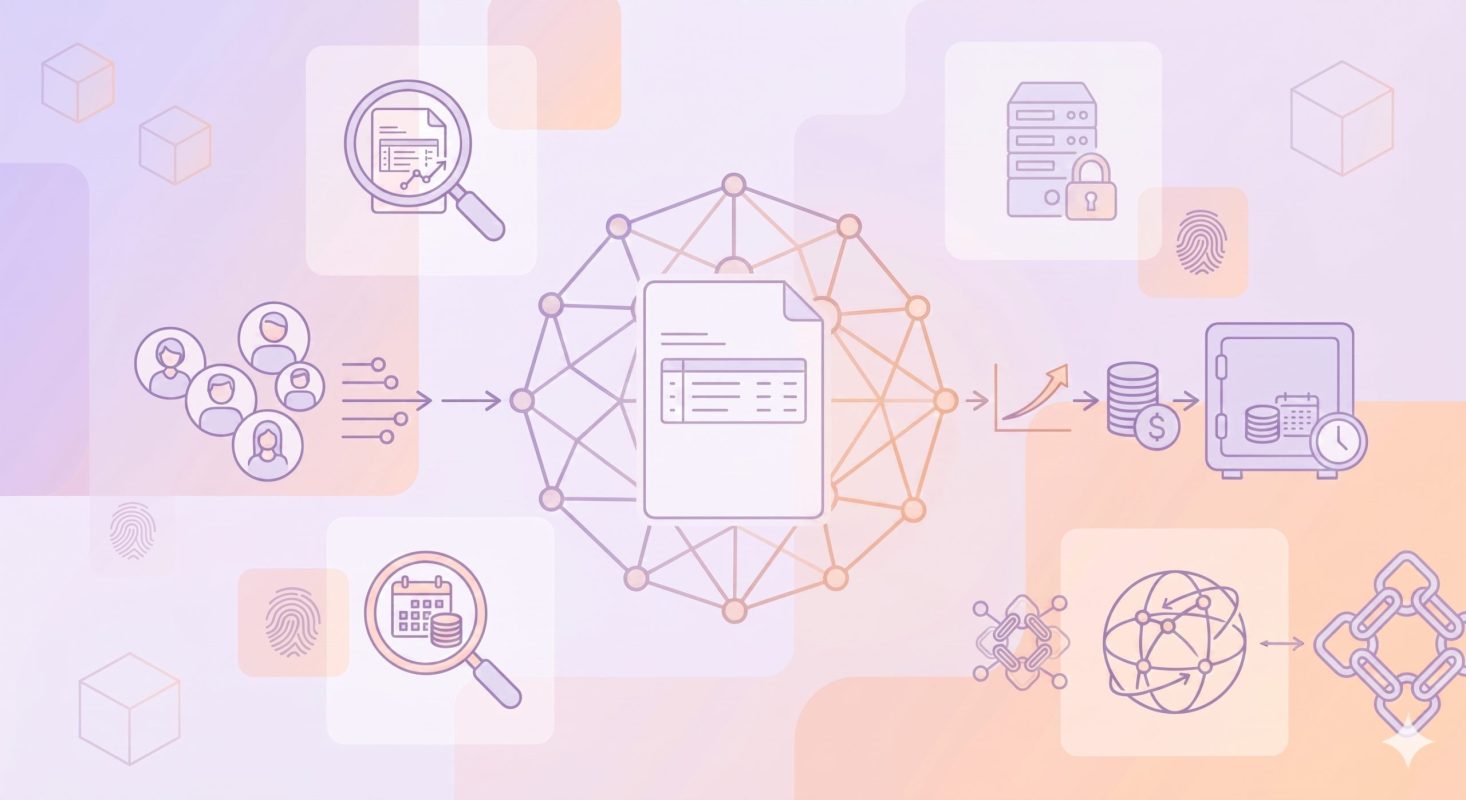
In SaaS advance billing, the software company sends the invoice and collects payment from the customer before offering the service. This approach could relate to the company’s funding for operations and the presentation of financial data. Implementing upfront payments may relate to changes in cash flow projection and the prompt availability of funds for product and customer support investments.
How does Advance Billing work for subscription businesses?
Subscription management platforms can be configured to send invoices in advance upon customer registration and store payment details for subsequent charges. They can additionally conduct several essential functions:
- The system is designed to automatically create and send digital invoices at the start of each service period.
- Manage customer communication and retry payment if the first payment fails to keep the service running without interruption.
- Calculate appropriate bills when customers make changes to their subscription plans during the billing cycle (upgrade, downgrade, or add licenses).
- Offer options to choose different billing frequencies to match their enterprise contracts or self-serve tiers.
The HubSpot marketing platform sends out an invoice on the first day of the annual contract. On the other hand, office collaboration software Slack charges a company on the first day of each month for the number of its active users.
What makes Advance Billing different from Deferred Billing/Billing in Arrears?
The key difference between them is the payment point, related to when the customer obtains the service. Therefore, advance invoicing means acquiring payment before the service, while deferred billing (also known as billing in arrears) means requesting payment after the customer uses the software. Billing in arrears is suitable for usage-based scenarios such as cloud infrastructure services, where the exact consumption cannot be determined until the end of the period.
|
Factor |
Advance Billing |
Deferred Billing |
|
Payment Timing |
Before service delivery (Day 1) |
After service delivery (Day 30/365) |
|
Preferred Model |
Flat-rate or tier-based subscriptions |
Variable or usage-driven consumption |
|
Invoicing |
Predictable fixed sums |
Variable amounts calculated post-usage |
What are the legal and tax compliance considerations under ASC 606/IFRS 15?
Companies must not recognize revenue at the point of invoicing when they receive advance fees, as enforced by compliance rules set by the Financial Accounting Standards Board (FASB) through ASC 606 and IFRS 15. In fact, accounting personnel should treat upfront cash collections as deferred revenue and record them under the liabilities section of the balance sheet. The company gradually recognizes this amount as revenue in accordance with the subscription duration as it meets the performance obligations step by step. The effectiveness of task management may relate to the outcomes of financial reporting in audits, adherence to regulations, and business valuation.
What are the drawbacks and challenges of Advance Billing?
Employing advance billing is one of the best ways to provide stable cash flow; however, the business has to trade off the risks of losing customers and operational disruption.
- Capital liquidity influences the capacity to invest in engineering software and customer development initiatives.
- A proration mechanism is often used to process early cancellations or contract modifications.
- Offering a discount, such as 15%, may influence buyers’ decisions of yearly advance plans versus monthly plans.
- Set up scheduled messages through email three or five days before the subscription is up for renewal to be very clear about the transactions.
- Employ a billing system to manage proration and tracking card expiration.
Conclusion
Advance billing relates to initial capital for SaaS companies and may influence payment defaults and revenue-based predictability. However, it is essential that such companies also implement accurate and up-to-date accounting software to handle deferred revenue reporting. The combination of open communication and automated tools can impact cash collection for software providers and consumer trust.
Ready to get started?


 English
  Español
  Português
  Português do Brasil
  Français
  Italiano
  Deutsch
  Nederlands
  Polski
  Română
  Українська
  简体中文
简体中文  日本語
日本語  한국어
한국어