
Video Games
What is a Battle Pass?
What is a Battle Pass?
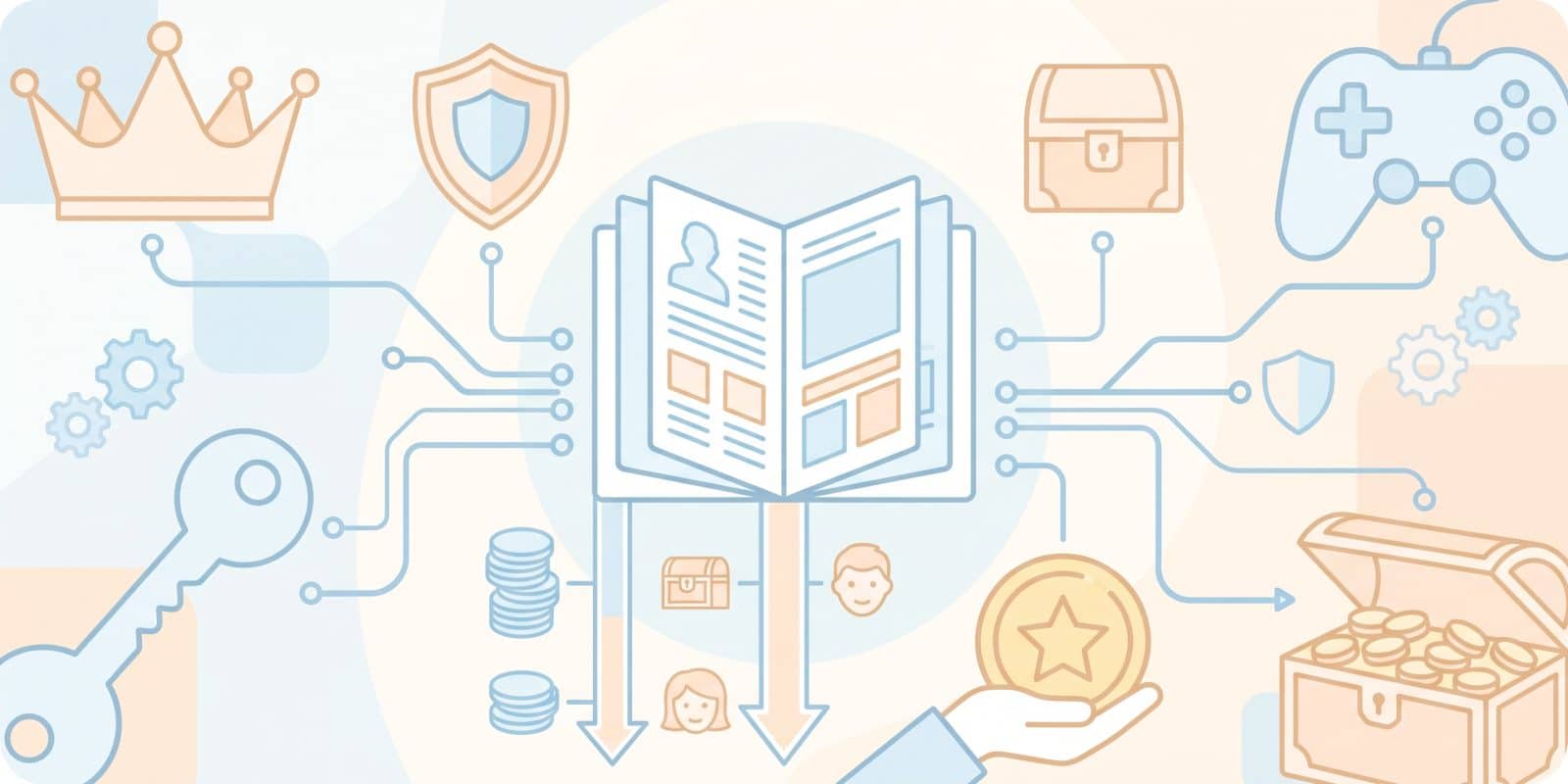
A battle pass is a reward system based on levels that offers players in-game items as they play and face specified challenges. Unlike a traditional one-time purchase, a battle pass is a progression-based monetization model. Players have a visual track of 50 to 100 levels; as they earn experience points (XP), they level up and unlock rewards in each tier.
How do Battle Passes generate revenue?
Battle passes generally run on a dual-track system:
- The Free Track, available to all players, includes a limited quantity of basic rewards intended to maintain player engagement and illustrate progression.
- Access to this track, which features rewards like “Legendary” skins, rare emotes, and premium currency, requires purchasing the Premium Track (usually around $10 USD).
- Some games offer players the option to pay additional fees for level progression. This approach facilitates monetization among players who may prioritize spending over investing time.
What factors have contributed to the shift from Loot Boxes to the Battle Pass model in the industry?
Developers and merchants transitioned from loot boxes to battle passes, potentially influenced by transparency and regulations. Battle passes provide players with insight into possible acquisitions before purchase, which impacts the ‘gambling’ aspect. This openness may relate to trust-building and could impact discussions regarding legal measures about “anti-loot boxes” in regions such as the EU. Battle passes may correlate with more consistent seasonal revenue streams compared to the revenue generated from randomized crates.
How does a Battle Pass drive player retention?
The battle pass appears to have a significant impact on player retention in the current gaming landscape. It utilizes several psychological and business drivers:
- Following the purchase of a premium pass, players may play more frequently, potentially influenced by the sunk cost fallacy.
- A relationship between battle passes and FOMO is possible, based on their seasonal release cycle and the usual 60–90 day access window. Typically, the items are gone forever once the season is over (and that is why it becomes a potent “buy it now or miss out” motivation).
- The daily engagement structure, featuring frequently updated challenges, may influence players’ gameplay patterns.
What are the key business metrics for Battle Passes?
Developers use the following data points to guide their decisions about a battle pass:
- Conversion Rate: What fraction of free players change to the premium track?
- Completion Rate: The number of players who reach the final tier. There may be a relationship between the perceived difficulty of the “grind” and players’ decisions about buying the next pass and their gameplay duration.
- Attach Rate: The proportion of players who buy the pass season after season.
What role does a Merchant of Record play in Battle Pass sales?
For a company like PayPro Global, battle passes imply certain precise operational requirements:
- Recurring Seasonal Logic: Battle passes are not always “subscriptions,” but their seasonal character makes it necessary for the checkout system to manage high-volume, global bursts of transactions every few months.
- Currency Management: Many passes are purchased using “virtual currency” (e.g., V-Bucks). A Merchant of Record is responsible for the initial real-money purchase of that currency, making sure that the correct tax (VAT/Sales Tax) is applied depending on the player’s worldwide location.
- Fraud Prevention: Because battle pass rewards are often instantly accessible, they can be utilized in credit card testing scenarios. Having a strong MoR in place may limit the extent to which fraudulent activities impact a developer’s earnings.
How is the Battle Pass model evolving in 2026?
We are now seeing the rise of Hybrid and Subscription Passes. Certain games feature “Diamond” or “Elite” tiers, introducing a third, higher-priced option aimed at high-spending players. Secondly, Fortnite and Call of Duty have combined the battle pass with a monthly subscription (e.g., Fortnite Crew), thereby mixing the battle pass model with the steady, recurring revenue of a SaaS business.
Conclusion
The battle pass has become a notable factor in gaming monetization and player engagement. The system uses a progression-based reward structure to produce revenue from premium tracks and tier skips. On the other hand, it increases player retention through sunk cost fallacy, FOMO, and daily engagement. With the introduction of hybrid and subscription passes, knowledge of the workings and the role played by Merchants of Record is essential for developers who want to leverage it fully and for players who deal with the inherent pros and cons.
Ready to get started?


 English
 Español
 Português
 Português do Brasil
 Français
 Italiano
 Deutsch
 Nederlands
 Polski
 Română
 Українська
 简体中文
 日本語
 한국어