
Cloud Service Models
What is a Cloud Service Model?
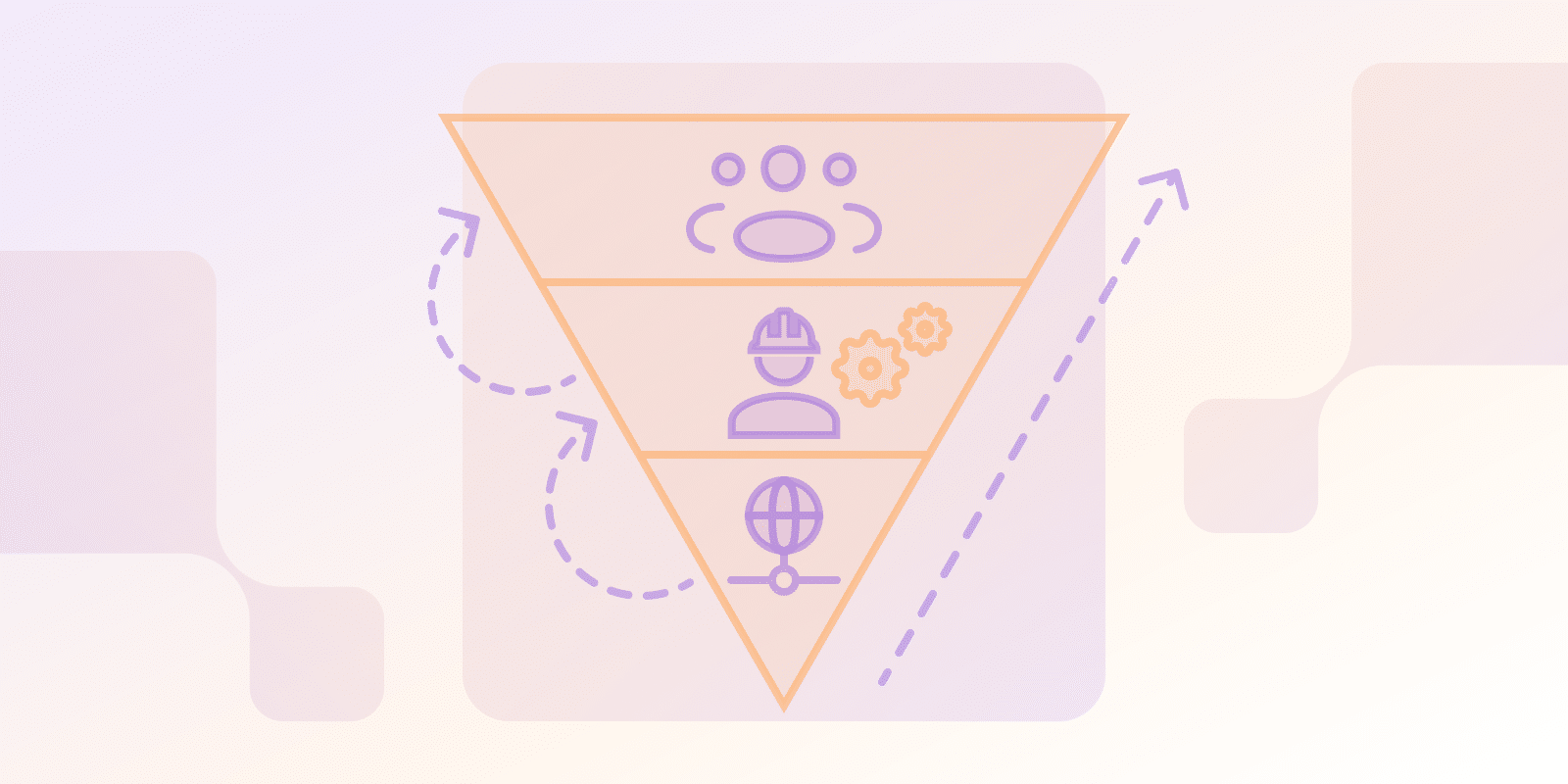
What is a Cloud Service Model?
Cloud service models are the way in which computing services are fulfilled through the internet. Basically, you will rent rather than own the physical hardware and software, which is then accessed through the cloud as a pay-as-you-go service. NIST’s definition, SP 800-145 (September 2011), defines three: software, platform, and infrastructure as a service.
What are the main Cloud Service Models?
The three main cloud service models are:
- Software as a Service (SaaS): This service is ready-to-use software accessed through an application via a mobile app or web browser. Examples include Google Workspace, Microsoft 365, and Salesforce.
- Platform as a Service (PaaS): Removing the need to manage servers, storage, or operating systems, PaaS is a platform for developers to build, test, deploy, and manage applications. Examples include AWS Elastic Beanstalk, Google App Engine, and Heroku.
- Infrastructure as a Service (IaaS): IaaS provides digital services, such as virtual machines, storage, and networks, and is associated with the highest level of infrastructure control when compared to PaaS and SaaS. Examples include AWS EC2, Google Compute Engine, and Microsoft Azure Virtual Machines.
What are the key differences between SaaS, PaaS, and IaaS?
The key differences between SaaS, PaaS, and IaaS are who controls each layer of the stack, who uses it, and how it is billed:
| Feature | SaaS | PaaS | IaaS
|
|---|---|---|---|
| Control & Management | |||
| User Controls | User settings only | Applications and data | Applications, data, runtime, middleware, OS |
| Provider Controls | Full infrastructure and software stack | Infrastructure and development platform | Physical infrastructure only |
| Management Complexity | Minimal | Moderate | High |
| Usage & Implementation | |||
| Primary Users | End users | Developers | IT Administrators |
| Technical Expertise Required | Minimal | Moderate to High | Extensive |
| Typical Use Cases | Email, CRM, productivity suites | Application development and testing | Virtual machines, data storage, hosting |
| Business Considerations | |||
| Cost Structure | Subscription-based, per user | Usage-based, development-focused | Resource consumption based |
| Scalability | Limited to application features | Platform-dependent scaling | Highly flexible scaling |
| Customization Level | Limited to application settings | High within platform constraints | Complete infrastructure control |
Why is SaaS Considered a Type of Cloud Computing?
SaaS functions as cloud software, with applications maintained on a provider’s servers and available via the internet; installation and maintenance on user hardware are not typically involved.
How to Choose the Right Cloud Service Model for Your Business
For a good fit, consider the following factors:
- Budget: Consider what you are willing to spend, but keep in mind that it ranges from SaaS to IaaS when it comes to the differences in expense.
- Business Needs: Think about your unique needs. Do you require a full software application or a development platform?
- Control: If this is a factor, consider that IaaS offers the most, while SaaS offers the least.
- Technical Expertise: Does your team have the necessary knowledge? SaaS requires the least technical expertise, while IaaS requires the most.
The service model is a separate choice from the cloud deployment model: NIST pairs its three service models with four deployment models, such as public, private, and hybrid cloud (NIST, 2011).
Conclusion
There are options for all businesses when choosing cloud computing. Once you understand your needs for these services, an informed decision can be made about which you are most aligned with to meet your specific needs.
Ready to get started?


 English
  Español
  Português
  Português do Brasil
  Français
  Italiano
  Deutsch
  Nederlands
  Polski
  Română
  Українська
  简体中文
简体中文  日本語
日本語  한국어
한국어