
SaaS Payments
What is a Payment Service Provider (PSP)?
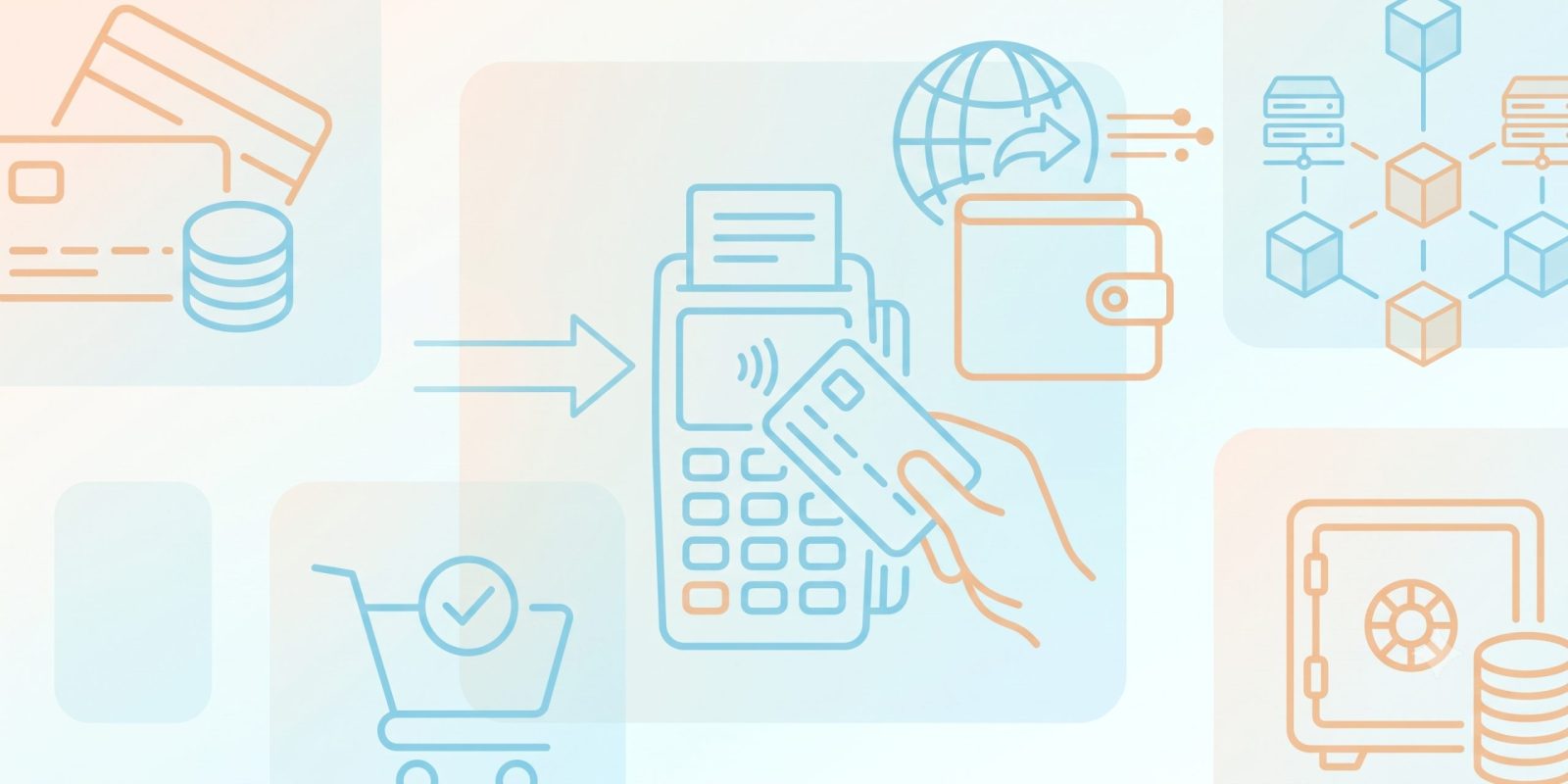
What is a Payment Service Provider (PSP)?
A Payment Service Provider is an all-in-one financial entity. It allows businesses to accept payments online. These payments include credit cards, digital wallets, and bank transfers. Setting up independent contracts with a security gateway, an acquiring bank, and a processor, the PSP bundles these services together. This way, businesses can accept payments under a vendor contract.
What's the difference between a PSP, a payment gateway, and a payment processor?
While often used interchangeably, they represent components of a digital transaction:
- Payment Gateway: The front-end software that captures, encrypts, and transmits customer credit card data from the website to the network.
- Payment Processor: The back-end machine that moves the money. It passes data between the gateway, card networks, the issuing bank, and the acquiring bank.
- A PSP combines the functions of a payment gateway and a processor. A merchant account is present within the system’s structure. The system provides the capacity for companies to process payments, independent of a commercial banking license.
What are the different types of PSPs?
Digital payment architecture generally falls into three models:
- Aggregators: Providers that group thousands of merchants. The setup process involves a limited number of stages. The payment is the same across the board. It has been increasingly adopted by tech startups and SMEs.
- Merchant-Account PSPs: A unique MID is assigned only to your business. Underwriting may involve a duration of several weeks. Compliance audits of a rigorous nature are indicated. However, enterprises are offered customized transaction fee structures, in addition to customizable settlement rules.
- Payment Facilitators: With this model, a software platform embeds payment processing directly into its product. The SaaS company is PayFac. The system allows sub-merchants to transact directly, with a payment service provider working in the background, unbeknownst to the sub-merchant.
What is the typical PSP fee structure?
PSPs make money through a layered pricing structure. This structure scales with transaction volume:
- Per-Transaction: The baseline rate is usually a percentage of the total transaction value plus a small fixed cost.
- Cross-Border: In instances of internationally issued credit card transactions, a processing fee is usually a component.
- FX Markup: Foreign Exchange fees are a consideration in circumstances involving currency conversion.
- Monthly Minimums: A maintenance fee is a provision by some premium providers that applies if a processing volume threshold is not satisfied. PSPs implement a per-incident fee structure for customer-initiated disputed charges.
How do you integrate a PSP?
Common methods for payment stack creation involve the user experience in a major way and, naturally, also require that a certain amount of development time is spent to complete the task:
- Hosted Checkout/Redirect: As a consequence of the customer clicking “Buy” and being redirected to a payment page on the merchant site, the customer is brought to the payment gateway. It involves less developer work, and the impact of managing security-related issues is reduced.
- Embedded Elements (iFrames/Web Components): The payment forms are visually integrated into your website. The entry fields are PSP-owned frames.
- API-Only Integration: Developers create their own custom-made text fields and send the data raw to the PSP’s API endpoints. This enables the setting of layout and user experience specifications, alongside the adherence to PCI compliance and security. It necessitates specialized security engineering.
What are the benefits of using a PSP?
- Speed-to-Market: Bypassing corporate banking applications by businesses relates to the time taken for market entry. Upon the introduction of a store or SaaS product, the system is configured to manage global payment acceptance.
- PCI Scope Reduction: The PSP absorbs, encrypts, and processes raw credit card details. This relates to the responsibilities and auditing processes connected with Payment Card Industry data security compliance.
- Method Diversity: A PSP facilitates the inclusion of different payment methods via a centralized mechanism.
- Integrated Dispute Tooling: Many PSPs include built-in chargeback management dashboards within their services. This includes automated sending to banks, the establishment of a bank connection, and fraud detection rules.
Conclusion
In order to make head or tail of an online payment architecture, you have to know the fundamentals that go on in each transaction loop. Your selection of the type of PSP, method of billing integration, and transactional fee structure plays a major role in how smoothly an online platform’s scale-up of its operations worldwide or in the local market gets managed.
Ready to get started?


 English
  Español
  Português
  Português do Brasil
  Français
  Italiano
  Deutsch
  Nederlands
  Polski
  Română
  Українська
  简体中文
简体中文  日本語
日本語  한국어
한국어